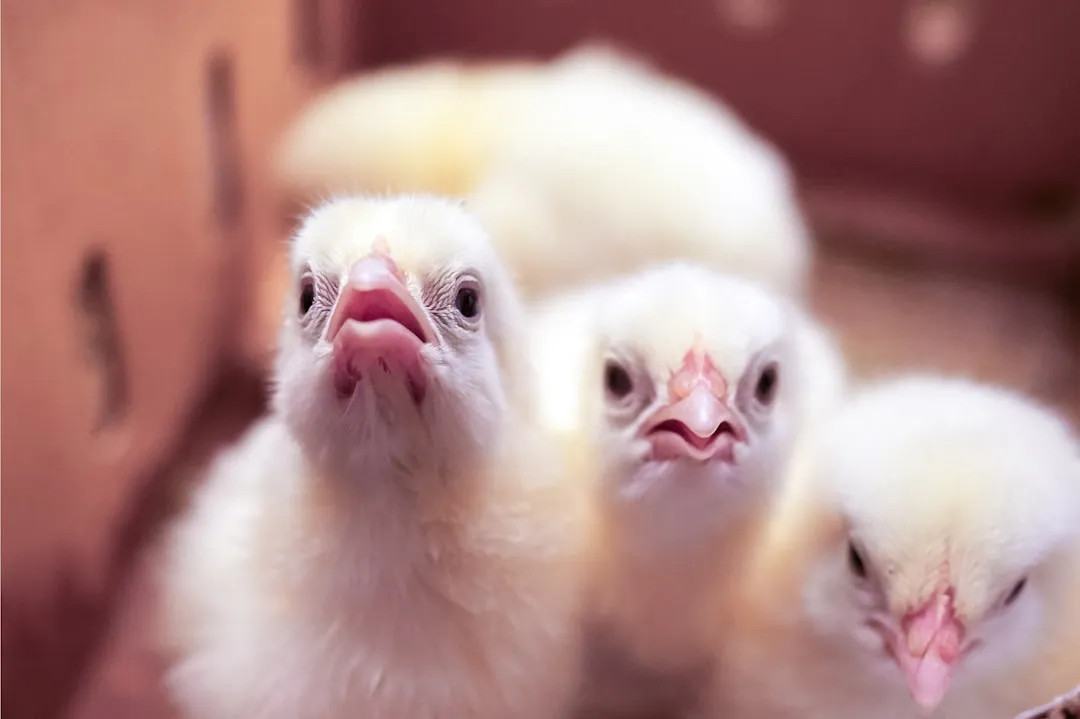
This guide outlines a user-friendly calendar for vaccinating poultry flocks in Nigeria. Implementing a consistent vaccination schedule is crucial for disease prevention, ensuring flock health, and maintaining optimal productivity. This resource aims to simplify the complex task of disease management by providing a clear, chronological framework for vaccine administration.
Understanding Poultry Vaccination in Nigeria
Poultry farming in Nigeria, like in many parts of the world, faces significant challenges from infectious diseases. These diseases can spread rapidly within a flock, leading to high mortality rates, reduced egg production, poor growth, and ultimately, economic losses for farmers. Vaccination serves as a cornerstone of preventative biosecurity, acting as a shield for your birds against common and devastating pathogens.
The Importance of a Vaccination Calendar
A poultry vaccination calendar is not merely a suggestion; it is a roadmap for proactive health management. It ensures that birds receive protection at critical stages of their development when they are most susceptible to specific diseases. Without a structured plan, vaccination efforts can become haphazard, leading to gaps in immunity and increased vulnerability. This calendar is designed to be a practical tool, helping you navigate the complexities of vaccine selection and timing without needing to be a seasoned veterinarian.
Key Considerations for Vaccine Efficacy
Several factors influence the effectiveness of any poultry vaccination program. These include the quality of the vaccine itself, proper storage and handling, accurate administration techniques, and the overall health status of the birds. Ensuring that vaccines are stored between 2°C and 8°C is paramount, as temperature fluctuations can render them ineffective. Similarly, administering vaccines through the correct routes (e.g., drinking water, eye drops, injection) and at the appropriate dosages is essential.
Common Poultry Diseases in Nigeria and Their Prevention
Nigeria’s diverse agro-climatic conditions can foster a range of poultry diseases. Some of the most prevalent and economically significant include Newcastle Disease (ND), Infectious Bursal Disease (IBD) or Gumboro, Infectious Bronchitis (IB), Fowl Pox, and Fowl Cholera. The vaccination calendar presented here focuses on protecting these and other critical diseases. Understanding the specific threats to poultry in your region can further refine your vaccination strategy.
Newcastle Disease (ND)
Newcastle Disease is a highly contagious and often fatal viral disease affecting domestic poultry. It poses a significant threat to the Nigerian poultry industry. Vaccination is the most effective way to control ND outbreaks.
Strains and Vaccine Types for ND
Different strains of the ND virus exist, and the choice of vaccine often depends on the local epidemiology and the presence of maternal antibodies. Live vaccines (e.g., La Sota, Hitchner B1) are typically used for early protection and boosting immunity. Inactivated vaccines provide longer-lasting immunity and are often used in layers and breeders.
Infectious Bursal Disease (IBD) – Gumboro
Infectious Bursal Disease, commonly known as Gumboro disease, attacks the bursa of Fabricius, an important organ of the immune system, particularly in young chickens. This immunosuppression makes birds more susceptible to other infections.
Timing of IBD Vaccination
The timing of IBD vaccination is crucial due to the presence of maternal antibodies, which can interfere with the vaccine’s effectiveness. Vaccines are typically administered when maternal antibody levels have waned, allowing the young chicken’s immune system to respond to the vaccine.
Infectious Bronchitis (IB)
Infectious Bronchitis is a highly contagious respiratory disease that can cause significant drops in egg production and affect eggshell quality in layers. It can also lead to secondary bacterial infections.
Different Serotypes of Infectious Bronchitis
There are numerous serotypes of the Infectious Bronchitis virus, and vaccines are available to protect against the most common ones circulating in Nigeria. A multi-valent vaccine may be necessary to provide broad protection.
Fowl Pox
Fowl Pox is a viral disease that causes lesions on the skin (cutaneous form) and in the respiratory and digestive tracts (diphtheritic form). It is transmitted by mosquitoes and other biting insects, as well as through direct contact.
Fowl Pox Vaccine Administration
Fowl Pox vaccines are typically administered via the wing-web stab method, where a small drop of reconstituted vaccine is applied to a puncture in the wing web.
Fowl Cholera
Fowl Cholera is a bacterial disease caused by Pasteurella multocida. It can manifest in acute, subacute, or chronic forms and is characterized by sudden death, respiratory distress, and swollen wattles.
Fowl Cholera Vaccine Considerations
Inactivated Fowl Cholera vaccines are commonly used to protect against this disease. Revaccination may be required depending on the risk level and the specific vaccine.
The User-Friendly Poultry Vaccination Calendar
This calendar provides a general framework. Always consult with a veterinarian or poultry extension officer for advice tailored to your specific flock’s needs and local disease challenges.
Broiler Chickens Vaccination Schedule
Broiler chickens are raised for meat production and have a relatively short life cycle. The vaccination program is designed to protect during this critical growth period.
Day 1: Early Protection
- Vaccine: Newcastle Disease (ND) – Live (e.g., Hitchner B1 or equivalent).
- Method of Administration: Eye drop or drinking water.
Rationale: This first vaccination provides initial protection against maternally derived antibodies and early exposure to the ND virus, acting as a first line of defense.
7-10 Days: Building Immunity
- Vaccine: Infectious Bursal Disease (IBD) – Intermediate strain.
- Method of Administration: Drinking water.
Rationale: This vaccination targets the Gumboro virus at a stage when maternal antibody interference is typically minimized, allowing the young birds to develop their own immunity.
14-18 Days: Strengthening Protection
- Vaccine: Newcastle Disease (ND) – Live (e.g., La Sota or equivalent).
- Method of Administration: Drinking water or spray.
Rationale: This second ND vaccination aims to boost the immune response generated by the first vaccination and provide a stronger, more durable immunity as the birds grow.
21-25 Days: Broadening Defense
- Vaccine: Infectious Bronchitis (IB) – Live (serotype relevant to your region).
- Method of Administration: Drinking water or spray.
Rationale: This vaccination protects against Infectious Bronchitis, minimizing respiratory issues and potential drops in growth rate.
28-30 Days: Final Boost (Optional, depending on risk)
- Vaccine: Newcastle Disease (ND) – Live (e.g., La Sota or equivalent) or a combination vaccine (e.g., ND+IB).
- Method of Administration: Drinking water or spray.
Rationale: A final live ND vaccination can further enhance immunity, particularly in high-risk environments. Combination vaccines can offer protection against multiple diseases simultaneously, simplifying the process.
Note: Broilers are typically processed for market before the typical age for many other vaccinations. The focus is on protecting them during their rapid growth phase.
Laying Hens Vaccination Schedule
Laying hens have a longer production cycle, and their vaccination program is more extensive to ensure sustained immunity throughout their laying period.
Day 1: Foundation of Immunity
- Vaccine: Newcastle Disease (ND) – Live (e.g., Hitchner B1 or equivalent).
- Method of Administration: Eye drop or drinking water.
Rationale: Similar to broilers, this initial ND vaccination provides early protection against potential field exposure.
7-10 Days: Early Gumboro Defense
- Vaccine: Infectious Bursal Disease (IBD) – Intermediate strain.
- Method of Administration: Drinking water.
Rationale: This establishes a baseline immunity against Gumboro disease, which can significantly impact future egg production if not controlled.
14-18 Days: Reinforcing ND Immunity
- Vaccine: Newcastle Disease (ND) – Live (e.g., La Sota or equivalent).
- Method of Administration: Drinking water or spray.
Rationale: This boosts the birds’ immune response to the ND virus, preparing them for the challenges ahead.
21-25 Days: Bronchial Protection
- Vaccine: Infectious Bronchitis (IB) – Live (serotype relevant to your region).
- Method of Administration: Drinking water or spray.
Rationale: Protection against IB helps maintain respiratory health and prevent losses in egg quality and quantity.
30-35 Days: Fowl Pox Prevention
- Vaccine: Fowl Pox – Live.
- Method of Administration: Wing-web stab.
Rationale: This vaccination provides immunity against Fowl Pox, a disease that can cause significant lesions and secondary infections.
6-8 Weeks: IBD Reinforcement
- Vaccine: Infectious Bursal Disease (IBD) – Intermediate or Hot strain (depending on challenge).
- Method of Administration: Drinking water.
Rationale: A second IBD vaccination is often necessary to ensure robust and durable immunity, especially in areas with high field challenge. The choice of strain depends on the level of disease pressure.
10-14 Weeks: Pre-Laying Immunity Boost
- Vaccine: Newcastle Disease (ND) – Live (e.g., La Sota or equivalent).
- Method of Administration: Drinking water or spray.
Rationale: This vaccination strengthens the birds’ immunity before they start laying, ensuring they can cope with potential ND outbreaks during the stressful laying period.
16-20 Weeks: Protecting the Laying Period
- Vaccine: Newcastle Disease (ND) – Inactivated (oil-emulsified).
- Method of Administration: Subcutaneous injection.
Rationale: Inactivated ND vaccines provide long-lasting immunity, crucial for the extended laying period, and help to prevent egg drop syndrome.
24-28 Weeks: Sustained Defense
- Vaccine: Infectious Bronchitis (IB) – Live or Inactivated (depending on vaccine availability and need).
- Method of Administration: Drinking water, spray (live) or injection (inactivated).
Rationale: A booster for IB, either live or inactivated, can help maintain protection against respiratory issues and maintain egg quality throughout the laying cycle.
35-40 Weeks: Continued Layer Protection
- Vaccine: Newcastle Disease (ND) – Inactivated (oil-emulsified) – Booster.
- Method of Administration: Subcutaneous injection.
Rationale: A booster with an inactivated ND vaccine can extend the duration of immunity, providing continued protection against ND during the peak laying period.
Throughout Laying Period (as needed): Specific Disease Control
- Vaccine: Fowl Cholera – Inactivated.
- Method of Administration: Intramuscular injection.
Rationale: Fowl Cholera vaccinations are often administered to laying flocks in areas where the disease is endemic to provide ongoing protection. The timing can be as early as 8-10 weeks, and boosters are given as required.
Pullets Vaccination Schedule (Alternative to Layer Schedule)
This schedule is for pullets intended to be integrated into a laying flock.
Day 1: Initial Shield
- Vaccine: Newcastle Disease (ND) – Live (e.g., Hitchner B1 or equivalent).
- Method of Administration: Eye drop or drinking water.
Rationale: Provides early protection against ND virus.
7-10 Days: Gumboro Foundation
- Vaccine: Infectious Bursal Disease (IBD) – Intermediate strain.
- Method of Administration: Drinking water.
Rationale: Begins the process of building immunity against IBD.
14-18 Days: Second ND Layer
- Vaccine: Newcastle Disease (ND) – Live (e.g., La Sota or equivalent).
- Method of Administration: Drinking water or spray.
Rationale: Boosts the immune response to ND.
21-25 Days: Respiratory Health
- Vaccine: Infectious Bronchitis (IB) – Live (serotype relevant to your region).
- Method of Administration: Drinking water or spray.
Rationale: Protects against IB.
4-5 Weeks: Pox Protection
- Vaccine: Fowl Pox – Live.
- Method of Administration: Wing-web stab.
Rationale: Prevents Fowl Pox.
6-8 Weeks: Deeper Gumboro Defense
- Vaccine: Infectious Bursal Disease (IBD) – Intermediate or Hot strain (depending on challenge).
- Method of Administration: Drinking water.
Rationale: Provides more robust immunity against IBD.
10-14 Weeks: Pre-Lay ND Boost
- Vaccine: Newcastle Disease (ND) – Live (e.g., La Sota or equivalent).
- Method of Administration: Drinking water or spray.
Rationale: Prepares the birds for the onset of laying.
16-20 Weeks: Laying Protection – ND
- Vaccine: Newcastle Disease (ND) – Inactivated (oil-emulsified).
- Method of Administration: Subcutaneous injection.
Rationale: Provides long-lasting immunity for the laying period.
24-28 Weeks: Laying Protection – IB
- Vaccine: Infectious Bronchitis (IB) – Live or Inactivated (depending on vaccine availability and need).
- Method of Administration: Drinking water, spray (live) or injection (inactivated).
Rationale: Sustains immunity against IB.
As Needed: Fowl Cholera Control (if endemic)
- Vaccine: Fowl Cholera – Inactivated.
- Method of Administration: Intramuscular injection.
Rationale: Essential in areas where Fowl Cholera is a persistent threat.
Parent Stock Vaccination Schedule
Parent stock, which are the breeders for future generations, require a comprehensive vaccination program to ensure the health of their offspring.
Day 1: Initial ND Resilience
- Vaccine: Newcastle Disease (ND) – Live (e.g., Hitchner B1 or equivalent).
- Method of Administration: Eye drop or drinking water.
Rationale: Provides foundational immunity against ND.
7-10 Days: Gumboro Shielding
- Vaccine: Infectious Bursal Disease (IBD) – Intermediate strain.
- Method of Administration: Drinking water.
Rationale: Establishes early protection against IBD.
14-18 Days: ND Antibody Build-Up
- Vaccine: Newcastle Disease (ND) – Live (e.g., La Sota or equivalent).
- Method of Administration: Drinking water or spray.
Rationale: Enhances immunity against ND.
21-25 Days: Bronchial Defense Established
- Vaccine: Infectious Bronchitis (IB) – Live (serotype relevant to your region).
- Method of Administration: Drinking water or spray.
Rationale: Protects against IB.
4-5 Weeks: Fowl Pox Immunity
- Vaccine: Fowl Pox – Live.
- Method of Administration: Wing-web stab.
Rationale: Prevents Fowl Pox.
6-8 Weeks: Robust IBD Protection
- Vaccine: Infectious Bursal Disease (IBD) – Intermediate or Hot strain (depending on challenge).
- Method of Administration: Drinking water.
Rationale: Ensures strong and lasting immunity against IBD.
10-14 Weeks: Peak Immunity Before Laying
- Vaccine: Newcastle Disease (ND) – Live (e.g., La Sota or equivalent).
- Method of Administration: Drinking water or spray.
Rationale: This vaccination is critical for building high antibody titers that will be passed to the offspring through the egg.
16-20 Weeks: Long-Term ND Protection
- Vaccine: Newcastle Disease (ND) – Inactivated (oil-emulsified).
- Method of Administration: Subcutaneous injection.
Rationale: Provides prolonged, high-level immunity essential for parent stock.
24-28 Weeks: IB Maintenance
- Vaccine: Infectious Bronchitis (IB) – Live or Inactivated (depending on vaccine availability and need).
- Method of Administration: Drinking water, spray (live) or injection (inactivated).
Rationale: Maintains effective immunity against IB throughout the laying cycle.
30-34 Weeks: Re-stimulation of Immunity
- Vaccine: Newcastle Disease (ND) – Inactivated (oil-emulsified).
- Method of Administration: Subcutaneous injection.
Rationale: A booster vaccine helps maintain high antibody levels, crucial for chick viability.
Throughout Laying Period: Specific Disease Control
- Vaccine: Fowl Cholera – Inactivated.
- Method of Administration: Intramuscular injection.
Rationale: Administered as needed in endemic areas to prevent Fowl Cholera outbreaks.
Important Notes and Best Practices
Adhering strictly to the vaccination schedule is only part of the equation. Several other factors can make or break your disease prevention efforts.
Record Keeping: Your Flock’s Health Diary
Accurate and detailed record-keeping is indispensable. Each vaccination event should be logged, noting the vaccine used, batch number, expiry date, administration date, method, and the individual or group treated. This information is invaluable for tracking flock health, identifying potential issues, and informing future vaccination decisions. Think of it as the flock’s health diary, providing a chronological narrative of their well-being.
Biosecurity Measures: The First Line of Defense
Vaccination is a powerful tool, but it works best in conjunction with robust biosecurity measures. This includes controlling the entry and exit of people, vehicles, and equipment onto your farm, preventing contact with wild birds, and maintaining strict hygiene protocols. Biosecurity is the moat around your castle, keeping the invaders at bay, while vaccination is the armor worn within.
Feed and Water Quality: Essential for Immune Response
The immune system of your birds relies on a steady supply of clean water and nutritious feed. Ensuring that drinking water is uncontaminated and that feed is of good quality and properly mixed is crucial for optimal vaccine take and immune responsiveness. Stressed or malnourished birds will not respond as effectively to vaccination.
Stress Management: A Calm Flock is a Healthy Flock
Handling, transportation, and environmental changes can all induce stress in poultry. Minimizing stress during vaccination procedures, such as ensuring adequate ventilation and avoiding overcrowding, can significantly improve vaccine efficacy. A calm and comfortable bird will mount a better immune response.
Consulting with Professionals: Your Agricultural Allies
This calendar is a general guide. Local disease patterns, specific flock challenges, and available vaccine types can vary. It is always advisable to consult with a qualified veterinarian or poultry extension officer. They can provide tailored advice, help diagnose any issues, and ensure your vaccination program is optimally suited to your farm’s specific needs. They are your agricultural allies in the fight for flock health.
By diligently following a structured vaccination calendar and implementing sound biosecurity practices, you can significantly reduce the risk of disease outbreaks in your poultry flock, leading to healthier birds and more profitable production.
Discover more from Transville Agro
Subscribe to get the latest posts sent to your email.