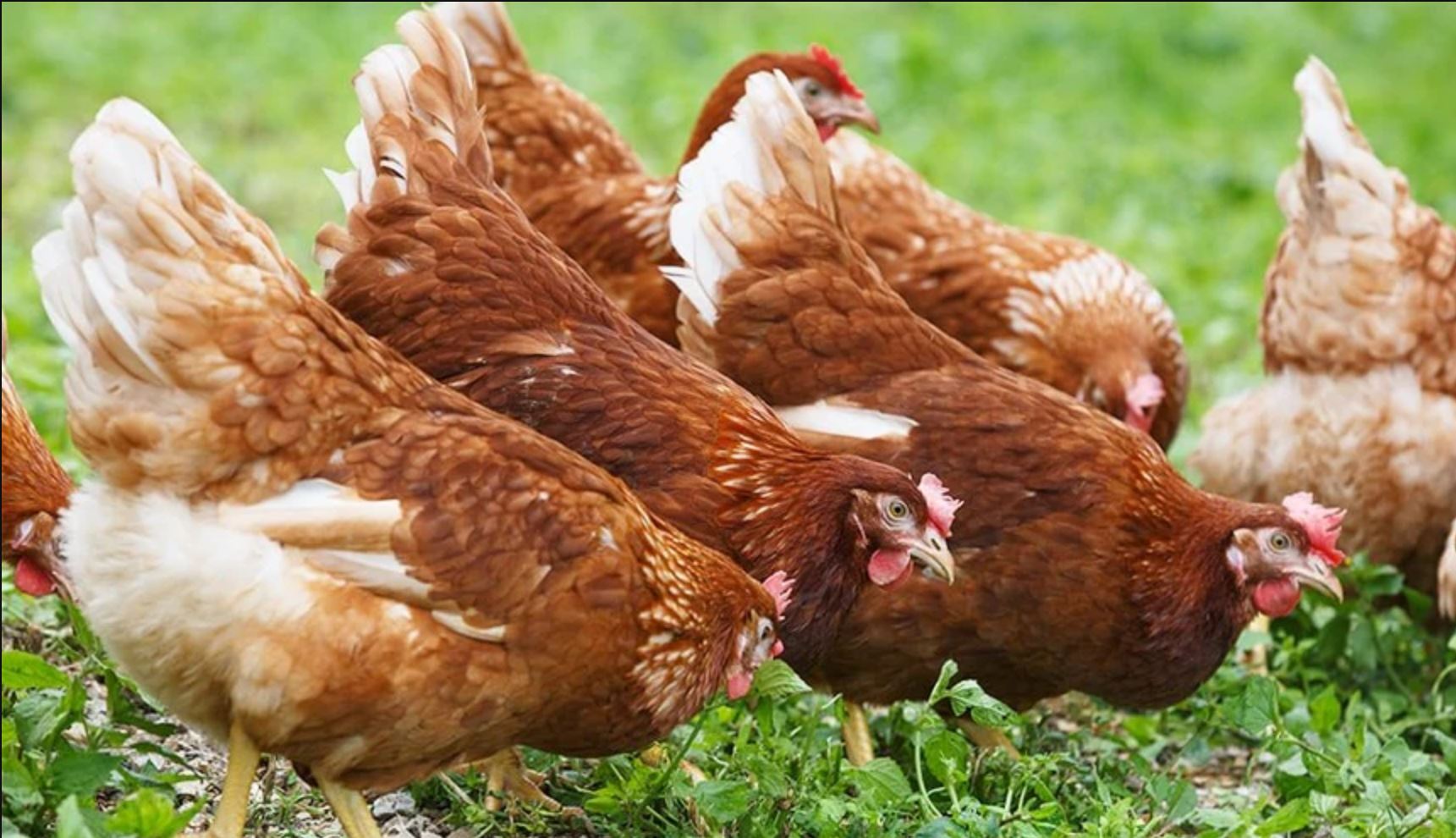
When new to raising pullets, the terms can sometimes get confusing. One key concept you’ll want to understand is that point-of-lay is a crucial milestone in your flock’s life. Whether you’re thinking of adding pullets to your flock or you’re an experienced layers breeder, knowing when your chickens are ready to lay eggs can make all the difference in their care and egg production. So, let’s dive deep into this important phase, learn what it means, and how you can optimize the experience for both you and your pullets.
What Does Point-of-Lay Mean?
At its core, point-of-lay refers to the stage in a young hen’s life when she’s about to lay her first eggs. This is an exciting moment for Poultry farmers because it signifies the start of a productive egg-laying period. But point-of-lay isn’t a one-size-fits-all term—it varies depending on the breed, the environment, and even the individual hen.
Factors Influencing Point-of-Lay
- Breed: Some breeds, like the popular Isa Brown, can begin laying as early as 18 to 20 weeks, while other breeds, such as Silkies, may take much longer to reach maturity, sometimes upwards of 6-7 months.
- Environmental Conditions: Temperature, lighting, and nutrition play crucial roles in determining when a hens reaches point-of-lay. Consistent care can lead to optimal egg production at the right time.
- Individual Variability: Even within the same breed, chickens will not always reach point-of-lay at the same time. Some may be earlier, while others might take a little longer.
What Does Point-of-Lay Mean for Layer Farmers?
When you see breeders or farmers advertising point-of-lay, they’re selling chickens that are just about to begin their egg-laying journey. These chickens are typically 14 to 20 weeks old, depending on their breed. But what exactly does this mean for you as a layer farmer?
- Age Readiness: You’re getting a hen that’s at the right age to start laying soon. The age of readiness can vary slightly by breed, as mentioned earlier, so be prepared for small differences.
- Physical Checks: Point-of-lay have usually undergone physical checks to ensure they’re ready to start laying. Some of these checks include looking at the pelvic bones, combs, and wattles.
- Expectation Setting: If your point-of-lay hen doesn’t start laying immediately, don’t panic! Some hens might take days or even weeks before they lay their first egg. However, they’re close enough to their laying stage that you won’t have to wait too long.
How to Identify a Point-of-Lay Hen
There are several signs to look out for to tell whether your hen is about to start laying eggs:
1. Squatting Behavior
A hen nearing point-of-lay often exhibits a squatting behavior when you approach her. This is a submissive stance where the hen lowers herself to the ground, a sure sign that her body is getting ready to produce eggs. It’s also a good indication that your hen recognizes you as the dominant figure in her environment.
2. Red, Swollen Combs and Wattles
As pullets approach the point-of-lay, their combs (the fleshy crest on their heads) and wattles (the fleshy lobes that hang down on either side of their beaks) will become redder and more swollen. This color change happens because their reproductive system is maturing and getting ready to produce eggs.
3. Physical Growth and Feather Condition
By the time a hen reaches point-of-lay, she will have grown to her full adult size. Her feathers will be sleek, shiny, and well-groomed. If she looks full-grown and healthy, she’s likely close to laying her first egg.
4. Separated Pelvic Bones
Checking a hen’s pelvic bones is one of the more reliable ways to determine if she’s ready to lay. You can gently palpate the area around her rear end, feeling for three distinct bones. If these bones are separated enough for an egg to pass through, then your hen is ready to start laying soon. If the bones are still close together, it may take a few more weeks.
How Long Until My Hen Lays Eggs?
The million-dollar question! Unfortunately, there’s no precise formula for determining the exact day your hen will lay her first egg. But once you’ve recognized the signs above, it usually won’t be long. On average, after you observe these signs, it could be anywhere from a few days to a few weeks before your hen lays her first egg.
How to Care for Point-of-Lay Pullets
Now that you know what to expect, let’s talk about how to care for your chickens when they reach point-of-lay. The key to supporting healthy egg production is providing them with a stress-free environment, adequate nutrition, proper medication, and bio-security measures.
1. Diet
A balanced diet is crucial during this time. Hens at the point-of-lay should be fed a high-quality layer feed that contains the right balance of proteins, calcium, and vitamins. Calcium is especially important as it helps form strong eggshells. You can supplement their diet with crushed oyster shells or calcium grit to ensure they get enough.
2. Safe and Spacious enclosures.
Hens prefer to lay their eggs in private, comfortable spaces. Providing ample layer cages or nestling coops is essential. Each space should be clean and slightly enclosed to make the hen feel safe and secure. Having large spaces for your flock will reduce stress and competition.
3. Light Management
Light plays a critical role in stimulating egg production. Layer chickens need around 14 to 16 hours of daylight to lay eggs consistently. If your pullet reach the point of lay during the winter months, you might consider providing supplemental lighting in the coop to mimic longer days. However, it’s important not to overdo it, as constant exposure to light can stress your chickens.
Common Challenges at Point-of-Lay
While raising pullets to their point-of-lay stage is exciting, it also comes with a few challenges. Here’s how to manage some common issues:
1. Delayed Laying
If your pullets don’t start laying right away, don’t be too concerned. They might just need a little more time. Keep their environment stable and their diet balanced, and they will lay when they’re ready.
2. Soft-shelled or No-Shell Eggs
It’s not unusual for pullets to lay a few soft-shelled or shell-less eggs when they first begin. This can happen because their bodies are still getting used to producing eggs. As long as you’re providing enough calcium in their diet, this issue should resolve itself.
3. Stress
layer chickens are sensitive creatures, and changes in their environment, diet, or even interactions with other birds can stress them out, potentially delaying egg production. Try to minimize stress by maintaining a consistent routine and keeping the housing environment quiet and calm.
Encourage Healthy Egg Production
Once your pullets are settled at the point of lay, there are a few things you can do to encourage healthy and consistent egg production.
- Provide Balanced Feed: As mentioned, a layer feed rich in calcium and protein is essential.
- Offer Clean Water: Hens need plenty of fresh water for good egg production. Make sure they always have access to clean, cool water.
- Ensure Safety: A safe, predator-free environment is critical. Stress from predators, even if they don’t attack, can disrupt laying.
- Bio-security Protocols: Ensure all bio-security guidelines are practiced around the layers farm to prevent disease outbreaks, which ensures uninterrupted egg production.
Conclusion: A Rewarding Experience
Now that you have a thorough understanding of what point-of-lay means and how to care for your pullets during this stage, you can confidently manage your flock and look forward to a rewarding egg-laying experience. Caring for point-of-lay is about patience, consistency, and creating a comfortable environment for them to thrive. When you care for your birds properly, you’ll enjoy the benefits of fresh, healthy eggs daily!
With the knowledge of when and how your hens will begin laying, you’re setting yourself up for a successful and productive journey in raising layers.
Discover more from Transville Agro
Subscribe to get the latest posts sent to your email.