So, you’re wondering what kind of implements a commercial crop farmer really needs to get from planting a tiny seed to getting those harvested goods onto the market? It boils down to having the right tools for each stage of the journey, from preparing the soil to getting your produce ready for buyers. It’s not about having every single gadget under the sun, but rather smart investments in commercial Agricultural equipment that make your life easier, your crops healthier, and your operation more profitable.
Commercial Farm Equipment for Soil Prep and Planting
Before you even think about seeds, the ground itself needs attention. Getting this part right sets the stage for everything that follows. You need equipment that can prepare your soil efficiently, whether that’s breaking up tough ground or gently smoothing it for planting.
Tilling and Cultivation: Getting the Soil Ready
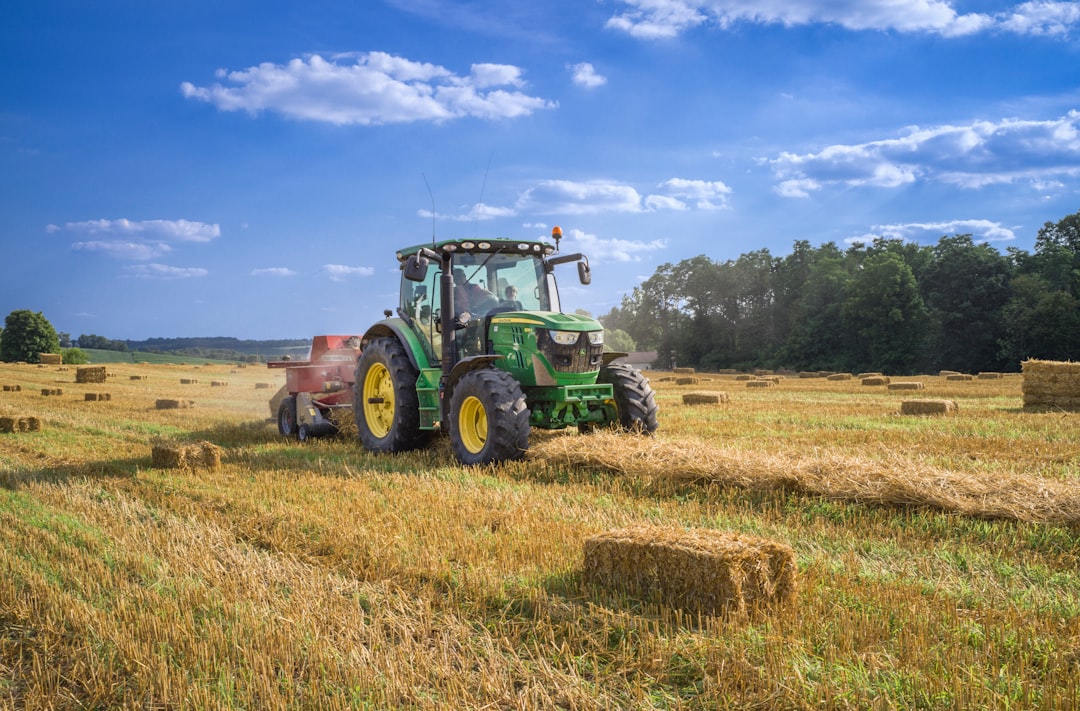
- Tractors: This is your workhorse. A good, reliable tractor with enough horsepower is fundamental. It’ll be used for pulling almost everything else on this list. Think about the size of your operation; a smaller farm might get by with a 40-60 HP tractor, while larger operations will need 100 HP or more.
- Plows: For initial soil breaking, a plow is key. Moldboard plows turn over the soil, burying residue and weeds. Chisel plows work the soil more shallowly, leaving more residue on the surface to prevent erosion.
- Harrows: Once the soil is plowed, harrows come in to break up clods and create a finer seedbed. Disk harrows are great for general-purpose preparation, while spike-tooth harrows are lighter and better for shallow cultivation and leveling.
- Mantis Tiller/Power Cultivator: The Mantis Tiller is a farm tool and power cultivator powered by gas/oil, designed to effortlessly tackle any soil, transforming it into a fertile oasis for your plants to thrive. With its user-friendly features and solid performance, the Mantis Tiller is the perfect companion for seasoned farmers.Equipped with a powerful engine, the Mantis Tiller effortlessly churns through the toughest soil, saving you time and effort. Its compact size and lightweight design make it incredibly maneuverable, allowing you to navigate tight spaces and intricate farming lands. No more back-breaking labor or sore muscles – the Mantis Tiller does the hard work for you.
Seed Preparation and Planting: Precision Matters
This is where the magic begins. The Commercial farm equipment here focuses on getting your seeds into the ground at the optimal depth and spacing for the best germination and early growth.
- Seed Drills: These are incredibly efficient for planting multiple rows of seeds at once. They can precisely meter out seeds, place them at a consistent depth, and cover them properly. You can get different types depending on your crop and soil, like no-till drills that work with existing residue or conventional drills.
- Planters: Similar to seed drills but often designed for larger seeds like corn or soybeans, planters also offer more customization in terms of spacing and depth. Many modern planters come with advanced features for precise seed placement, like individual row shutoffs to avoid overlap.
A combined or double-compartment seed and fertiliser planter is also needed for small- to medium-scale planting operations - Seed Meters and Hoppers: These are components of drills and planters. Ensuring they are calibrated correctly and functioning smoothly is vital for uniform seed distribution.
Nurturing Your Crops: Equipment for Maintenance and Irrigation
Once your seeds are in the ground, the work isn’t over; it’s just shifted. Now you need to protect your emerging plants and ensure they get enough water to thrive. This is where maintenance and irrigation equipment become crucial.
Weed and Pest Control: Keeping Your Crops Safe
- Sprayers: Whether it’s for applying herbicides, pesticides, or fertilizers, a sprayer is indispensable. You can get everything from small boom sprayers that attach to your tractor to large self-propelled units for covering vast acreages quickly. Consider the boom width and tank capacity based on your farm size.
Portable solar, electric, and manual handheld knapsack sprayers are also popular for small-scale to medium-scale farm operations - Cultivators: These tools work between rows to remove weeds and aerate the soil. Different types exist, like sweep cultivators that cut weeds just below the surface or rotary cultivators that can break up soil and control weeds more aggressively.
Irrigation Systems: The Lifeblood of Your Operation
Water is non-negotiable for most crops. Having a reliable irrigation system can make the difference between a bumper crop and a disappointing harvest, especially in dry spells.
- Pumps: These are essential for moving water from its source (well, pond, river) to your fields. The type and size of pump will depend on your water source, distance, and the volume of water you need to move.
- Piping and Hoses: You’ll need a network to distribute the water. This could be underground PVC pipes for a more permanent system, or flexible hoses that can be moved around.
- Sprinklers or Drip Systems: For overhead watering, impact sprinklers like rain gun sprinklers or more advanced center pivots are common. For water conservation and targeted application, drip irrigation systems deliver water directly to the plant roots, minimizing evaporation. The best choice depends on your crop, soil type, and water availability.
Bringing it In: Harvesting Equipment for Efficiency and Yield
Harvesting is the culmination of all your hard work. This is where you aim to bring in as much of your crop as possible, with minimal loss and damage. Speed and efficiency are key. Learn more about essential equipment for maintaining a farm here.
The Big Hitters: Harvesters
-
- Combine Harvesters: For grains like wheat, corn, soybeans, and barley, a combine is the ultimate machine. It performs multiple functions: cutting the crop, threshing (separating grain from stalks), and cleaning the grain, all in one pass. The size and type of combine will vary greatly depending on the crop and acreage.
-
- Forage Harvesters: If you’re growing crops for silage or hay, a forage harvester is what you’ll need. These machines cut and chop the forage, often blowing it directly into a trailer for transport.
-
- Specialty Harvesters: Different crops require specialized equipment. Think potato diggers, beet harvesters, cotton pickers, or vegetable harvesters. These are designed to gently lift or pick their specific crop without causing damage.
- Engine Harvester for Oil Palm: The Engine Harvester for Oil Palm is a portable handheld farm machine used to harvest palm fruit. Equipped with a powerful two-stroke engine, this harvester guarantees quick and effortless harvests, enabling you to collect more fruits in less time
Supporting Harvest Operations
-
- Grain Carts or Wagons: As combines and harvesters work, they need to offload their yield. Grain carts, pulled behind a tractor, are common for receiving grain from a combine in the field, allowing the combine to keep working without interruption. Wagons are used for other types of harvested produce.
-
- Augers and Conveyors: To move harvested crops from carts or wagons into storage or trucks, augers (screw-like mechanisms) and various types of conveyors are essential.
Beyond the Field: Sample Post-Harvest Equipment for Processing
| Commercial Farm Equipment | Function | Crop |
|---|---|---|
| Garri Fryer | This is used to fry cassava granules into a staple African Garri | Cassava |
| Cassava Peeling Machine | This is used to peel and wash harvested cassava tubers for various processing needs | Cassava |
| Palm kernel cracker and separator machine | This is used to crack the palm kernel crust while separating it away from its seed | Oil Palm |
| Groundnut Roasting Machine | This is used to roast the harvested groundnut for various processing needs | Groundnut |
Harvesting is just part of the equation. Once the crop is out of the field, it needs preparation for sale. This often involves cleaning, sorting, and packaging, and the right equipment can make the process smooth.
Preparing for Market
- Grain Dryers: If your harvested grain has too much moisture for safe storage, a grain dryer is crucial to prevent spoilage.
- Scales: Accurate weighing is important for inventory management and selling by weight. You’ll need scales for weighing crops as they are processed or packaged.
- Cleaning and Sorting Equipment: Depending on the crop, you might need equipment to remove debris, sort by size or quality, or even polish produce. This can range from simple screens and destoners to more sophisticated optical sorters.
Packaging and Storage
- Bagging Machines: For smaller volumes or certain types of produce, bagging machines can automatically fill and seal bags.
- Palletizers: If you’re preparing large quantities of bagged or boxed goods for transport, palletizers can stack them efficiently onto pallets.
- Storage Solutions: While not strictly “equipment” in the same sense, having appropriate storage facilities like grain bins, silos, or refrigerated warehouses is vital for maintaining crop quality before sale.
Commercial Farm Inputs for Efficiency and Profit

When it comes to commercial farm equipment, the temptation to go for the cheapest option can be strong, especially when you’re starting. However, investing in quality equipment is almost always the more practical and profitable approach in the long run.
- Durability and Reliability: Higher-quality machines are built to last and withstand the demanding conditions of farm work. This means fewer breakdowns, less downtime, and lower repair costs over the years. A broken-down piece of equipment during a critical time like harvest can be incredibly costly.
- Efficiency Gains: Modern, well-maintained equipment is often more fuel-efficient and can perform tasks more quickly and accurately. This translates directly to lower operating costs and higher productivity. Think about a more precise planter that reduces seed waste or a faster harvester that gets the job done with fewer passes.
- Resale Value: When it’s time to upgrade, well-cared-for, quality equipment tends to hold its value better, giving you a better return on your initial investment.
Adapting to Your Farm: Equipment for Diverse Crops and Conditions
No two farms are exactly alike, and neither are the crops grown on them. The equipment you need will depend heavily on what you’re growing and where you’re growing it.
- Crop-Specific Needs: A farmer growing specialty vegetables will have a very different equipment list than a grain farmer. For example, delicate crops might require gentler handling during harvest to prevent bruising, while root crops need specific digging and sorting machinery.
- Soil Types and Terrain: Farming on heavy clay soil might require more powerful tillage equipment than sandy loam. Steep or rocky terrain can necessitate specialized tractors or implements that offer better traction and stability.
- Climate Considerations: In areas with short growing seasons, efficient planting and harvesting equipment becomes even more critical. In regions prone to drought, investing in advanced irrigation technology is paramount.
- Scale of Operation: The size of your farm dictates the scale of your equipment. A few acres might be manageable with smaller, more versatile machines, while hundreds or thousands of acres will demand larger, high-capacity units.
Ultimately, building your farm equipment arsenal is about making smart, informed decisions. It’s a continuous process of evaluating what you need to get the job done effectively and profitably, season after season.
Discover more from Transville Agro
Subscribe to get the latest posts sent to your email.