
No products in the cart.
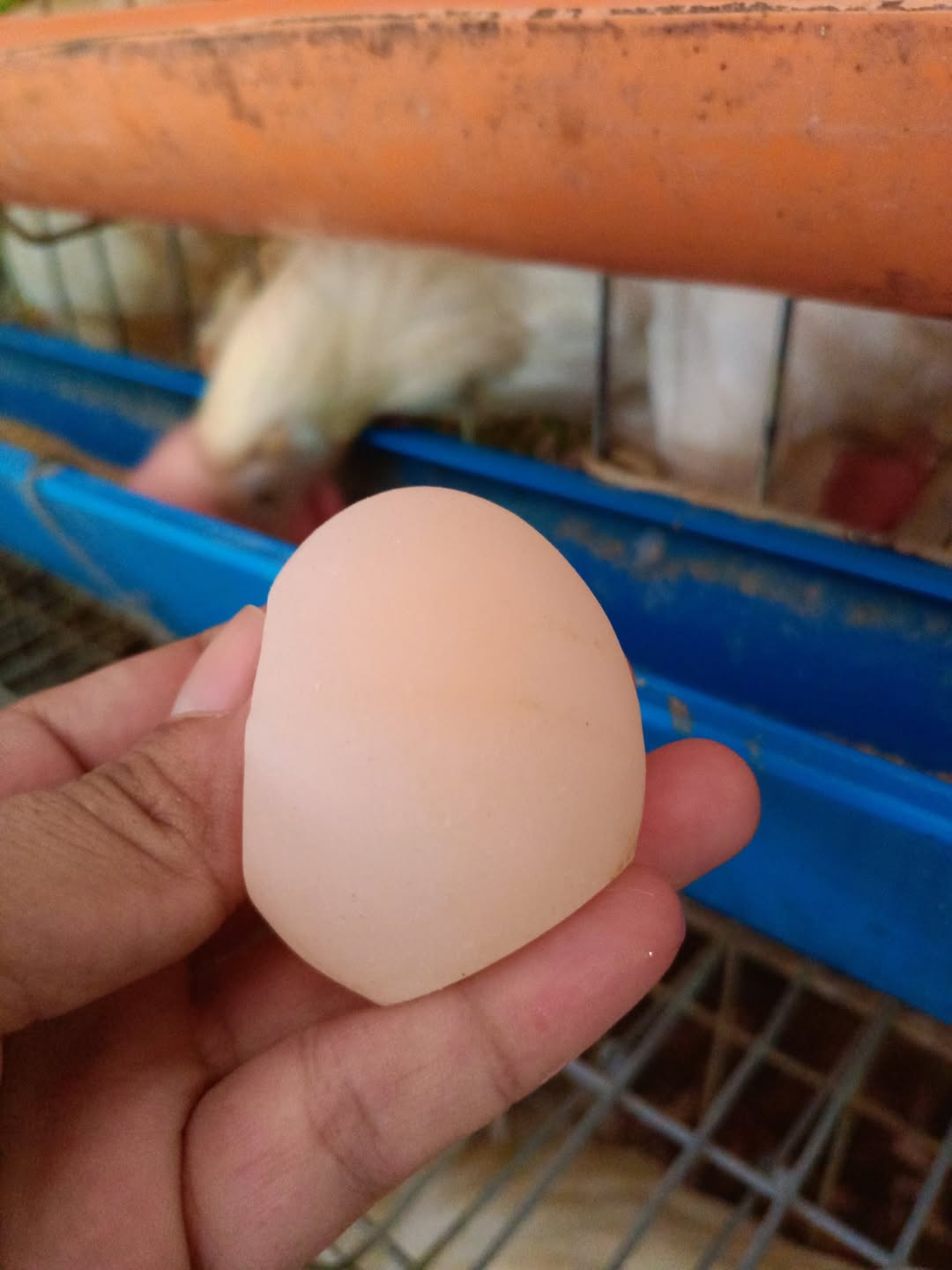
Understanding the Problem: What Are Soft-Shelled Eggs?
Soft-shelled eggs are a sign of a disrupted egg-laying cycle in layer chickens. These eggs have thin, rubbery, or absent shells and are often laid prematurely. While occasional soft eggs may occur without significant issues, a consistent pattern suggests underlying problems that require immediate attention.
1. Calcium Deficiency: The Most Common Culprit
Calcium is essential for eggshell formation. A deficiency in calcium or an improper calcium-to-phosphorus ratio directly impacts shell quality in layer chickens.
- Symptoms: Thin or rubbery shells, increased egg breakage, reduced production.
- Root Cause: Inadequate calcium supplementation, poor feed formulation, or low bioavailability of calcium sources.
- Solution: Include limestone, oyster shell grit, or calcium carbonate in feed; ensure birds have constant access to calcium sources. Use Vitamin D3 to enhance calcium absorption.
2. Vitamin and Mineral Imbalance
Deficiency in Vitamin D3, phosphorus, or magnesium can affect calcium metabolism and shell strength.
- Vitamin D3 is crucial for calcium uptake from the gut.
- Phosphorus works synergistically with calcium; an imbalance hinders shell calcification.
- Magnesium acts as a cofactor in calcium absorption and shell formation.
Recommendation: Use a well-balanced layer premix tailored to flock age and breed.
3. Premature Egg Laying and Stress Factors
Soft eggs in layer chickens often result from premature oviposition due to:
- Sudden noises or environmental disturbances
- Rough handling or overcrowding
- Introduction of new birds into the flock
- Predators or pests are causing stress
Prevention:
- Maintain a calm environment.
- Follow proper biosecurity measures.
- Avoid overcrowding and maintain a minimum of 1.5–2 sq. ft. per bird.
4. Diseases That Affect Shell Quality
Infectious diseases can disrupt the oviduct’s normal function, reducing nutrient absorption and ultimately leading to poor shell quality.
Common Diseases:
- Infectious Bronchitis (IB)
- Affects the oviduct lining.
- Symptoms: Misshapen, soft-shelled, or shell-less eggs.
- Egg Drop Syndrome (EDS-76)
- Caused by an adenovirus.
- Symptoms: Drop in egg production, soft or misshapen shells.
- Newcastle Disease
- Systemic infection affecting reproductive organs.
Management:
- Follow a vaccination schedule.
- Quarantine new birds.
- Perform routine health checks.
5. Age and Breed of the Layer chickens
- Young pullets (just starting to lay) are more likely to produce soft eggs due to an immature reproductive system.
- Older birds may also show declining shell quality as calcium stores deplete.
- Certain breeds are genetically predisposed to shell issues.
Optimization Tip: Introduce calcium boosters 2 weeks before expected laying and select hybrid layers known for shell strength.
6. Overweight Birds and Hormonal Imbalance
Obesity in laying hens leads to hormonal irregularities that disrupt the egg-laying cycle and can cause soft-shelled eggs.
- Cause: Excessive energy in the diet, lack of exercise.
- Impact: Irregular ovulation and malformed eggs.
Solution: Maintain balanced energy levels in feed and ensure birds have space to move.
7. High Temperature and Heat Stress
High ambient temperatures (above 30°C/86°F) reduce feed intake and impair calcium metabolism.
- Signs: Decreased egg production, poor shell quality.
- Control Measures:
- Install ventilation systems.
- Provide clean, cool drinking water.
- Feed during cooler times of the day.
8. Poor Feed Quality and Contaminated Ingredients
Substandard feed with mycotoxins or low digestibility interferes with nutrient absorption.
- Aflatoxins and ochratoxins damage the liver and intestines.
- Reduced absorption of calcium and vitamins.
Best Practice:
- Source feed from reputable suppliers.
- Use toxin binders.
- Store feed in dry, well-ventilated areas.
9. Water Quality and Intake
Contaminated or inadequate water affects nutrient transport and absorption.
- Ensure 24/7 access to clean water.
- Check for salinity, hardness, and bacterial load.
- Avoid the use of water with high sodium or iron levels.
10. Lighting and Photoperiod Mismanagement
Inconsistent lighting disrupts the birds’ reproductive hormones.
- Ideal lighting: 14–16 hours of light per day for layers.
- Gradual increases and consistent schedules are critical.
Avoid: Sudden changes in light intensity or duration.
Practical Solutions Checklist
| Issue | Preventive Action |
|---|---|
| Calcium deficiency | Supplement with limestone or oyster shell + Vitamin D3 |
| Stress | Ensure quiet, stable housing conditions |
| Infectious diseases | Follow a strict vaccination and hygiene protocol |
| Nutritional imbalance | Use high-quality, balanced commercial feed |
| Heat stress | Maintain a consistent photoperiod with controlled lighting |
| Young/old birds | Supplement calcium and use appropriate breeds |
| Poor water quality | Regular water testing and filtration |
| Light mismanagement | Maintain a consistent photoperiod with controlled lighting |
Conclusion
Maintaining optimal shell quality in layer chickens is a multifaceted process that requires diligence in nutrition, environment, disease control, and management. Addressing these core factors effectively will not only eliminate soft-shelled eggs but also improve overall flock productivity and profitability. Implement regular monitoring and preventative measures to ensure robust, high-quality eggs every cycle.
Discover more from Transville Agro
Subscribe to get the latest posts sent to your email.