Introduction to Day-old pullets and Point of Lay birds
Starting an egg production business in Nigeria? Choosing between Pullets and point-of-lay (POL) is a critical first step. While Point of Lay birds offer quicker returns, raising pullets from scratch gives you full control over their health and productivity. This guide breaks down both options’ pros, cons, and hidden costs, tailored for Nigerian farmers.
Key Differences: Pullets vs. Point of lay birds
- Timeline to Egg Production
- Point of lay birds: Start laying within 2–4 weeks after purchase (18–22 weeks old).
- Day-Old Pullets: Require 18–22 weeks of rearing before laying.
- Cost Analysis
- Point of lay birds: Higher upfront cost (₦6,800–₦8000 per bird) but skip rearing expenses.
- Pullets: Lower initial price (₦1600–₦1900 per chick) but require feed, vaccines, and labor.
- Risk Factors
- Point of lay Birds: Risk of buying poorly managed birds with hidden health issues.
- Pullets: Higher mortality risk, but allow you to monitor growth and vaccination.
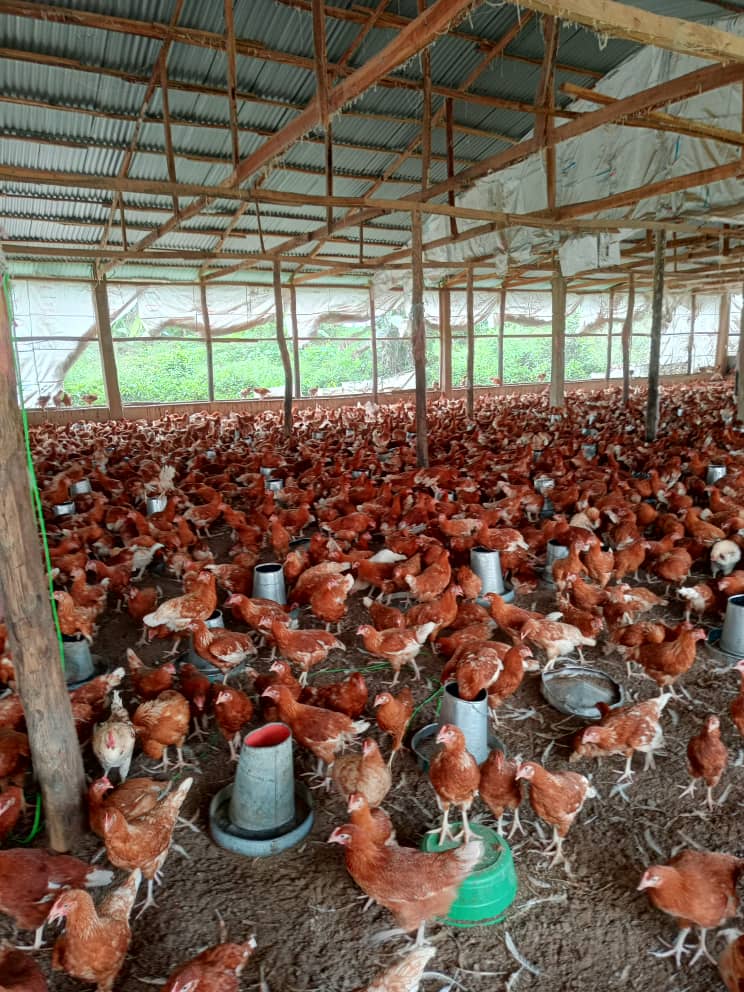
Key Considerations for Optimal Egg Production in Point-of-Lay Birds
Choose the Right Breed
Opt for hardy, high-yield breeds like ISA Brown or Bovan Nera, which thrive in Nigeria’s climate and lay 280–320 eggs/year.
Follow a Strict Feeding Schedule
Weeks 1–7: Chick mash (14–42g/day).
Weeks 8–18: Growers mash (47–85g/day).
Laying phase: Layer mash (90–110g/day) with calcium for strong shells
Prioritize Vaccination
Protect against Newcastle disease and Gumboro with a vet-approved schedule. Over 70% of rural Nigerian farms skip vaccines, leading to outbreaks
Control Light Exposure
Hens need 14–16 hours of light daily to lay consistently. Use solar-powered bulbs in co-ops during short winter days
Partner with Reputable Suppliers
Source quality birds from farms like Transville Agro to avoid subpar POL hens or weak pullets.
Environmental Factors
Both day-old pullets and point-of-lay birds are sensitive to environmental conditions. Temperature, lighting, ventilation, and stocking density have a significant impact on growth rates and egg-laying performance. Implementing appropriate housing structures and ecological controls is essential for maintaining flock health and productivity.
Nutritional Requirements
Proper nutrition is critical at all stages of development:
- Day-Old-Pullets require starter feeds rich in protein and essential nutrients to support rapid growth. Transitioning to grower feeds as they mature is necessary to meet changing nutritional needs.
- Point-of-Lay chickens: Benefit from layer feeds formulated to support egg production, containing balanced levels of calcium, phosphorus, and other vital nutrients.
Health Protocols
Implementing a comprehensive health management plan is vital:
Biosecurity Measures: Establish protocols to minimize disease introduction and spread, including controlled farm access, sanitation practices, and regular health assessments.
Vaccinations: Adhere to recommended vaccination schedules to protect against prevalent diseases such as Newcastle disease, infectious bursal disease, and Marek’s disease.
Key Practices for Optimal Production in Pullets
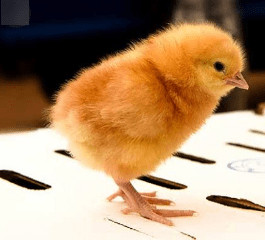
You can achieve optimal egg production for day-old pullets by:
- Using woven palm frond brooding trays (a low-cost, biodegradable alternative common in Nigeria).
- Tracking weekly weight gains (e.g., 1.52 kg at 18 weeks).
- Hiring a Veterinary doctor to design a vaccination plan.
- Conducting appropriate beak trimming of pullets at the right age.
- Sourcing the best quality day old Pullets from reputable hatcheries and suppliers
FAQs
Q: Can I raise day-old pullets and POL hens together?
A: No. Mixing ages disrupts the pecking order and increases disease risk.
Q: Do POL hens adapt to new environments?
A: Yes, but they need 2–3 weeks to adjust. Ensure coops are predator-proof and well-ventilated.
Q: What’s the best vaccination schedule for pullets in Nigeria?
A: Start with Marek’s disease at day 1, followed by Newcastle disease (week 2) and Gumboro (week 3). Consult a vet for localized disease risks like Fowl Pox.
Q: How much space do pullets need in a coop?
A: Allow 0.3–0.5 sq ft/bird for the first 6 weeks, increasing to 1–2 sq ft by 18 weeks. Overcrowding stunts growth and spreads illness.
Q: Can I use natural light instead of bulbs for egg production?
A: Natural light works, but supplement with 6–8 hours of LED/solar lighting during the harmattan or rainy seasons to maintain 14–16 total hours.
Q: How do I spot a sick day-old pullet early?
A: Watch for droopy wings, pale combs, or watery droppings. Isolate sick birds immediately to prevent outbreaks.
Q: What’s the lifespan of a layer hen in Nigeria?
A: Most hens lay optimally for 12–18 months. After that, sell them as spent layers (popular for soups) to recoup costs.
Q: How much water do hens drink daily?
A: Hens need 2x their feed intake in water. For example, 100g of feed = 200ml of clean water daily
Conclusion
The decision between raising day-old pullets and purchasing point-of-lay hens hinges on various factors, including available resources, time commitment, financial considerations, and desired level of involvement in rearing. By thoroughly evaluating these aspects and implementing best management practices, farmers can optimize egg production and achieve sustainable success in their poultry ventures.
Discover more from Transville Agro
Subscribe to get the latest posts sent to your email.