Starting a layer farm for egg production in Nigeria can be profitable and rewarding. However, it requires careful planning and execution to ensure success. This article will provide a step-by-step guide on starting a layer farm for egg production in Nigeria.
Layer chickens are a unique species of hens raised from one day old. They start laying eggs commercially from 18-22 weeks of age. They continue laying eggs continuously till 72-78 weeks of age. They can produce about one kg of eggs by consuming about 2.25 kg of food during their egg-laying period.
According to the nature and color of the egg, layer hens are of two types. Short descriptions of these two types are listed below.
White Egg-Laying Hens
This type of hen is comparatively smaller in size. They eat less food, and the color of the eggshell is white. Isa White, Lehman White, Nikchik, Bab Cock BV-300, Harvard White, Hi Sex White, Sever White, Hi-line White, Bovanch White, etc., are some famous white egg-laying chickens.
Brown Egg-Laying Hens
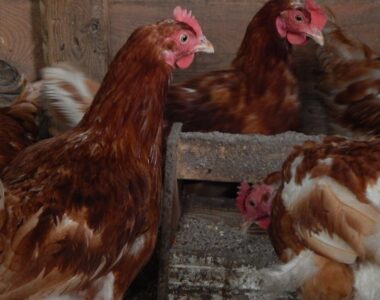
Brown egg-laying hens are s larger in size. They eat more food than white egg layers and lay larger eggs than other laying breeds. The eggshell is brown in color. There are many types of brown layers available. Among those, Isa Brown, Hi Sex Brown, Sever 579, Lehman Brown, Hi Line Brown, Bab Cock BV-380, Gold Line, Bablona Tetro, Bablona Harko, Havard Brown, etc., are very suitable for commercial layers.
In this case, you must select breeds suitable for your layer poultry farming business that can produce well in your area.
Nigeria’s common breeds of chickens are Isa Brown, Lohman Brown, Arbor Acres, Marshall, Ross, Kuroilers, White Cockerel, and Black Cockerel. Always ask about the breed you are buying as well as the peculiarities of the breed.
Understanding the Poultry Industry in Nigeria
The poultry industry is one of the fastest-growing industries in Nigeria, with a high demand for eggs and chicken meat. Nigeria has over 200 million people, making it the most populous country in Africa. With a growing population, the need for poultry products is increasing rapidly. The Nigerian poultry industry has excellent potential, with many opportunities for entrepreneurs to start a layer farm for egg production.
Factors to Consider When Starting a Layer Farm
Before starting a layer farm, there are several factors to consider. These include capital, location, market demand, breed of chicken, housing, feeding, health management, and marketing.
Steps to Start a Layer Farm
Now that you understand the factors to consider when starting a layer farm, here are the steps you should follow:
Step 1: Conduct Market Research
Conduct market research to determine the demand for eggs in your target market. Identify your competitors and their pricing strategies. This information will help you develop a marketing strategy that will enable you to compete effectively.
Step 2: Develop a Business Plan
Develop a detailed business plan and budget to ensure you have enough funds to start and operate your farm. Your business plan should include your target market, marketing strategy, and financial projections.
Suppose you are looking to reduce your overall budget. In that case, consider buying point-of-lay birds, usually between 12-18 weeks of age, directly from reputable layer farms available here.
Step 3: Choose the Right Breed of Chicken
Choose a breed of chicken suitable for egg production, with a high egg-laying capacity, and resistant to common diseases. Some of Nigeria’s popular breeds for layer farming include the Isa Brown, Lohmann Brown, and Harco.
Look for a good Hatchery where you can get healthy day-old pullets to start up with.
Please note: Within the first 20 weeks of age, about 5% of hens start laying eggs and can lay as many as 325 eggs in a year.
About 10% of birds start laying at 21 weeks of age
When they reach 26 to 30 weeks of age, they produce heavily. However, it may be different depending on their strain.
Egg-laying rate and size of eggs increase gradually
The weight and size of eggs increase till 50 weeks of age.
Step 4: Secure a Suitable Location
Choose a location that is easily accessible, has good road networks, and is close to your target market. It would help if you also considered the availability of water and electricity.
The housing system is essential for rearing layers and effective keeping and management. As a new person to the Livestock business, you may not need to invest your capital into buying land in an urban area that may not be used because government policy is against setting up poultry farms near residential/urban areas for health implications.
Step 5: Construct Housing
Construct a well-ventilated and spacious housing structure for your layer chickens. The housing structure should provide adequate lighting, temperature, and humidity. Battery cages are the best housing for laying birds because they create comfort and stability and are easy to clean and disinfect.
Please note that battery cages only suit layers approaching the egg-laying phase
Step 6: Purchase Equipment and Feed
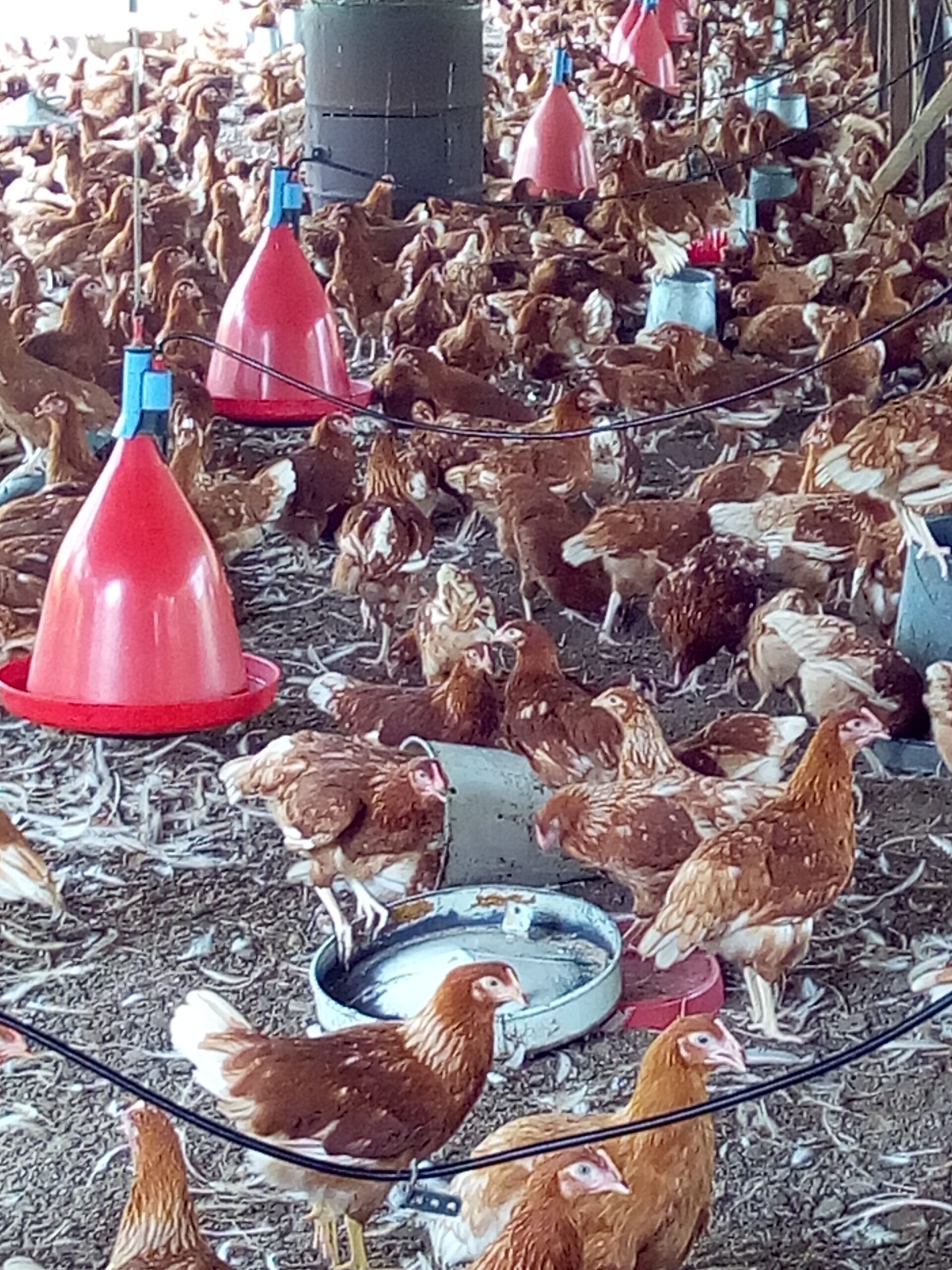
Purchase inputs such as feeders, drinkers, debeaking machines, paper, plastic, or transparent egg crates. You should also purchase feed additives and high-quality feed high in protein, energy, and vitamins.
It is usually very stressful and expensive to source these feeds and equipment from different sources and locations; online marketplaces like Transville Agro provide these inputs through its inventory and extensive network of suppliers on its website.
Here are some guidelines to follow when feeding your layer chickens:
- Give them 2% calcium for the first two weeks after birth.
- Feed them with starter feed for eight weeks.
- Serve them two or three times daily until they reach 18 weeks old.
- Serve them poultry feed according to their age and weight.
- Do not decrease their feed while laying, even if their weight increases.
- Provide adequate water according to the demand of your laying hens. Supply cold water during hot weather and lukewarm water in cold weather.
Step 7: Hire Staff and Manage Health
Hire staff to help you manage your layer farm. It would help to work closely with a veterinarian to ensure your chickens are healthy and disease-free by providing adequate Vaccination.
Vaccination is crucial in keeping your layer chickens healthy and disease-free. It helps reduce the mortality rate and ensures disease resistance in your chickens. Before Vaccination, take note that you should not vaccinate ill chickens. Separate sick birds to avoid spreading the disease
Step 8: Start Marketing Your Eggs
Develop a marketing strategy that will enable you to sell your eggs to your target market. You can sell your eggs to local grocery stores, restaurants, hotels, and individuals. You should also consider online marketing through social media platforms and online marketplaces.
Conclusion
Starting a layer farm for egg production in Nigeria can be profitable and rewarding. However, it requires careful planning and execution to ensure success. By following the steps outlined in this article, you can start your layer farm and contribute to the growth of the Nigerian poultry industry.
FAQs
- What is the best breed of chicken for layer farming in Nigeria?
- Some of Nigeria’s popular breeds for layer farming include the Isa Brown, Lohmann Brown, and Harco.
- How much capital do I need to start a layer farm in Nigeria?
- Starting a layer farm requires a significant amount of capital. You must lease or purchase land, construct housing, purchase equipment, and buy feed. You should have a detailed business plan and budget to ensure you have enough funds to start and operate your farm.
- How can I market my eggs?
- You can sell your eggs to local grocery stores, restaurants, hotels, and individuals. You should also consider online marketing through social media platforms and websites.
- How do I manage the health of my layer chickens?
- You should work closely with a veterinarian to ensure your chickens are healthy and disease-free. You should also have a health management plan to prevent and manage diseases.
- What is the demand for eggs in Nigeria?
- The demand for eggs in Nigeria is high. It is expected to grow due to the increasing population and changing dietary habits. This demand presents an excellent opportunity for entrepreneurs to venture into the layer farming industry.
Discover more from Transville Agro
Subscribe to get the latest posts sent to your email.