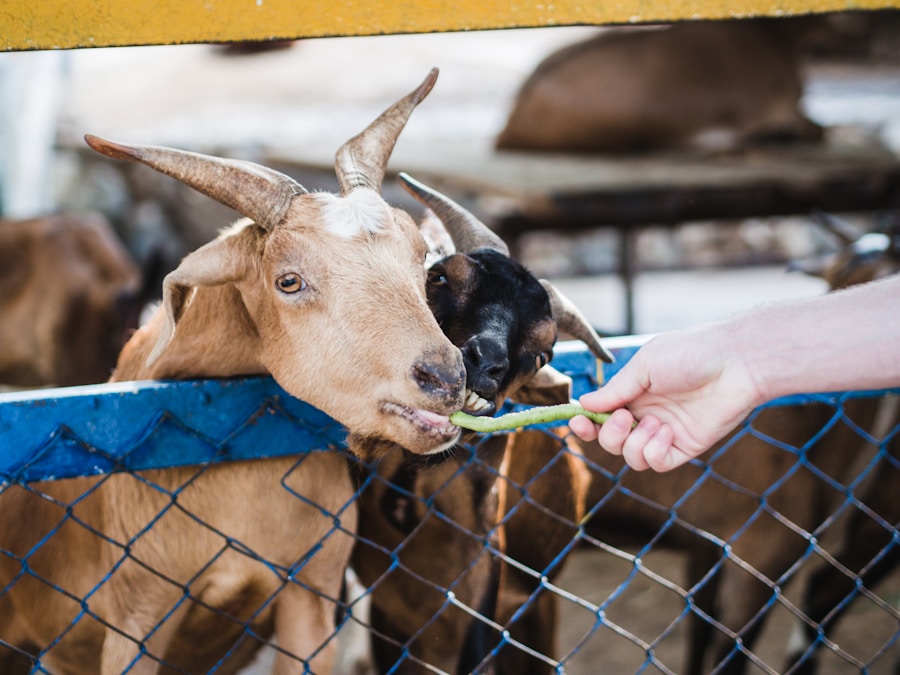
The Ultimate Farmer’s Handbook: Everything You Need to Know About Goat Vaccination in Nigeria
Goats are a cornerstone of many Nigerian farming systems, providing vital sources of protein, income, and manure. Their resilience and adaptability make them a popular choice for diversification and livelihood improvement. However, like all livestock, goats are susceptible to a range of diseases that can decimate herds, leading to significant economic losses and impacting food security. Vaccination stands as one of the most powerful and cost-effective tools in a farmer’s arsenal to protect their invaluable goat populations. This comprehensive guide aims to equip Nigerian goat farmers with the knowledge and practical advice needed to implement robust vaccination programs, ensuring the health and productivity of their herds.
The decision to vaccinate your goats is not merely an optional preventive measure; it is a fundamental aspect of responsible animal husbandry and a strategic investment in the long-term success of your farming enterprise. At its core, vaccination works by stimulating the goat’s immune system to recognize and fight off specific disease-causing pathogens without causing actual illness. When a vaccine is administered, it introduces a weakened, inactivated, or partial component of a virus or bacterium. This “training” allows the goat’s body to develop antibodies and memory cells. Should the goat subsequently encounter the actual disease-causing agent in the future, its immune system will be primed and ready to mount a rapid and effective defense, preventing or significantly reducing the severity of the illness.
The economic implications of effective vaccination are profound. Outbreaks of preventable diseases in goats can lead to high morbidity rates, meaning a large number of animals fall sick, and mortality rates, resulting in death. Sick goats are unproductive; they consume feed without growing, produce less milk if they are dairy breeds, and may even transmit diseases to other animals or humans (zoonotic diseases). The cost of treating sick animals, including veterinary fees, medications, and labor, can be substantial. Furthermore, the loss of valuable breeding stock or animals ready for market represents a direct financial blow. By preventing these diseases before they take hold, vaccination safeguards your investment, ensures a consistent supply of healthy animals for sale or consumption, and contributes to a more stable and predictable income stream.
Beyond the immediate economic benefits, vaccination plays a critical role in broader agricultural and public health contexts. Goats are an integral part of the Nigerian agricultural landscape, contributing to rural economies and food security. The widespread presence of disease can undermine these contributions. Furthermore, certain goat diseases can be transmitted to humans, posing a public health risk. Promoting animal health through vaccination is therefore a proactive step towards safeguarding both human and animal well-being within communities. It fosters a healthier livestock population, which in turn supports more sustainable and resilient farming practices that benefit everyone.
The Economic Case for Vaccination
Investing in vaccines might seem like an upfront cost, but when weighed against the potential losses from disease, it is a remarkably sound financial decision. Imagine the cost of losing a prize breeding buck or several healthy female goats. The price of vaccines, often less than the value of a single healthy mature goat, protects the entire herd. Furthermore, a healthy herd is a productive herd. Animals that are not constantly battling infections grow faster, reach market weight sooner, and produce higher quality products. This translates directly into increased profitability for your farm. The concept of “an ounce of prevention is worth a pound of cure” is nowhere more evident than in the realm of livestock vaccination.
Vaccination also contributes to herd longevity and genetic improvement. By protecting young animals, which are particularly vulnerable, you ensure they reach maturity and can contribute to the breeding program. This allows for the selective breeding of desirable traits, leading to a stronger, more productive herd over time. Furthermore, by reducing the constant pressure of disease, farmers can focus their efforts on better nutrition, housing, and management, further enhancing the overall health and productivity of their goats. The peace of mind that comes with knowing your animals are protected from devastating diseases is an invaluable, albeit intangible, benefit of a well-executed vaccination program.
Public Health and Food Security Contributions
The significance of goat vaccination extends beyond the confines of individual farms. In Nigeria, goats are a vital source of protein for many families, especially in rural and peri-urban areas. A healthy goat population directly contributes to national food security by providing a reliable and accessible source of animal protein. Diseases that affect goats can reduce meat and milk production, impacting the availability and affordability of these essential nutrients. Vaccination helps maintain this vital supply chain. Moreover, some diseases that affect goats can also infect humans, such as brucellosis. By vaccinating goats against these zoonotic diseases, we also protect the health of farmers, their families, and the wider community, reinforcing the interconnectedness of animal and human well-being.
Nigeria’s diverse climate and agricultural practices expose goats to a variety of infectious diseases. Many of these are preventable through strategic vaccination. Understanding these prevalent diseases and the role vaccines play in their control is crucial for effective herd management.
Peste des petits ruminants (PPR)
PPR, often referred to as “goat plague” or “sheep and goat smallpox,” is a highly contagious and devastating viral disease affecting small ruminants, including goats. It is particularly prevalent in Nigeria and Africa. PPR is characterized by fever, nasal discharge, diarrhea, and oral lesions, often leading to rapid death, especially in young animals. The virus attacks the respiratory and digestive systems, causing severe inflammation and making goats highly susceptible to secondary bacterial infections.
Vaccination is the cornerstone of PPR control. Modified live-virus vaccines are highly effective and widely used. The introduction of a live attenuated PPR virus stimulates a strong and long-lasting immune response. Once vaccinated, goats develop immunity that protects them from future infection. Regular vaccination campaigns, often supported by government initiatives, are essential for reducing the incidence and spread of PPR, saving countless animals and preventing significant economic losses for farmers. Vaccination significantly reduces morbidity and mortality rates, protecting the livelihoods of those who depend on goats.
Goat Pox
Goat pox is a viral disease that causes a distinctive skin rash, characterized by lesions that can appear on the skin, mucous membranes, and internal organs. While not always fatal, goat pox can lead to severe debilitation, reduced growth rates, and economic losses due to decreased meat and milk production, as well as the unsaleable nature of infected hides. The disease can spread rapidly through unvaccinated herds.
Vaccines against goat pox are available and are an important tool for prevention. These vaccines typically use inactivated or attenuated strains of the virus. Vaccination before exposure can prevent infection or significantly reduce the severity of clinical signs. Farmers in areas where goat pox is endemic should consider incorporating this vaccine into their routine health programs to protect their herds from this economically damaging disease.
Anthrax
Anthrax is a serious bacterial disease caused by Bacillus anthracis, which can affect a wide range of animals, including goats. It is known for its sudden onset and high mortality rate. Animals may die abruptly with little or no outward signs. In some forms, fever, labored breathing, and bleeding from the nose or anus may be observed. Anthrax is a zoonotic disease, meaning it can be transmitted to humans, posing a significant public health risk.
While not commonly included in routine goat vaccination schedules in many regions, vaccination against anthrax is crucial in areas where the disease is known to occur or where there is a risk of introduction from wildlife or contaminated feed. Several types of anthrax vaccines are available for livestock, and their use should be guided by veterinary advice and the epidemiological situation in a specific locality. Prevention through vaccination in at-risk areas is paramount to safeguard both animal and human health.
Other Important Diseases Requiring Vaccination
Beyond PPR, goat pox, and anthrax, other diseases can significantly impact the health and productivity of Nigerian goat herds.
Clostridial Diseases
Clostridial diseases, such as enterotoxemia (pulpy kidney disease) and tetanus, are caused by bacteria that are commonly found in the soil and the intestines of animals. These bacteria produce potent toxins that can cause rapid illness and death, particularly in well-fed, rapidly growing animals or those experiencing stress. Enterotoxemia is often associated with sudden changes in diet. Tetanus can occur following wounds.
Vaccination against clostridial diseases is highly recommended. Multivalent clostridial vaccines, often referred to as “5-way” or “8-way” vaccines, protect against several common and deadly clostridial infections. These vaccines are typically administered as a series, with a booster dose required to ensure long-lasting immunity. Incorporating these vaccines into your vaccination schedule is a vital step in preventing these often fatal conditions.
Foot and Mouth Disease (FMD)
Foot and Mouth Disease is a highly contagious viral disease that affects cloven-hoofed animals, including goats. It causes painful blisters and sores in the mouth, on the tongue, and on the feet, leading to severe lameness, reduced appetite, and significant economic losses due to decreased productivity and trade restrictions. FMD outbreaks can have devastating economic consequences for the livestock industry.
While vaccination is a key tool in managing FMD, its implementation in Nigeria requires careful consideration and is often part of broader national or regional control programs. The effectiveness of FMD vaccines depends on the specific strains circulating in an area, and vaccination policies are typically determined by veterinary authorities. Farmers in FMD-prone regions should maintain close contact with their local veterinary services to understand current FMD vaccination recommendations and their role in controlling this destructive disease.
The selection of vaccines for your goat herd is a critical decision that depends on several factors, including the geographical location, the prevalence of specific diseases in your area, the age of the goats, and their production purpose (e.g., meat, milk, breeding). It is essential to choose vaccines that are approved for use in Nigeria and recommended by local veterinary professionals.
Modified Live-Virus Vaccines (MLVs)
Modified live-virus vaccines contain a weakened form of the live virus. They are highly effective because they mimic a natural infection without causing significant illness, thus stimulating a robust and long-lasting immune response. For diseases like PPR, MLVs are often the preferred choice due to their potency and the strong immunity they confer. However, MLVs should be handled carefully, as they can be sensitive to heat and sunlight, and may not be suitable for very young, pregnant, or immunocompromised animals.
Inactivated Vaccines (Killed Vaccines)
Inactivated vaccines contain viruses or bacteria that have been killed, typically by heat or chemicals. They are generally considered safer than MLVs and can be used in a wider range of animals, including pregnant and immunocompromised goats. However, inactivated vaccines usually require multiple doses and booster vaccinations to achieve and maintain adequate immunity. They tend to stimulate a humoral immune response (antibody production) but may not elicit as strong or as rapid a cell-mediated immune response as MLVs.
Toxoid Vaccines
Toxoid vaccines are specifically designed to protect against the toxins produced by bacteria, rather than the bacteria themselves. This is particularly relevant for clostridial diseases. For example, tetanus toxoid vaccines protect against the neurotoxin produced by the tetanus bacterium. These vaccines are highly effective in preventing the effects of the toxins, which are often the primary cause of disease and death in clostridial infections.
Combination Vaccines (Multivalent Vaccines)
Combination vaccines, also known as multivalent vaccines, are designed to protect against multiple diseases with a single injection. This is a practical and cost-effective approach for farmers, as it reduces the number of times individual animals need to be handled and restrained for vaccination. For example, a clostridial vaccine might protect against five or more different clostridial diseases simultaneously. When choosing combination vaccines, it is important to ensure that all components are relevant to the diseases prevalent in your area and that the vaccine is licensed and recommended for goats.
The effectiveness of a vaccine hinges not only on its quality but also on how it is administered. Proper handling, storage, and injection techniques are paramount to ensuring that your goats receive the full benefit of the vaccination.
Proper Storage and Handling of Vaccines
Vaccines are biological products and are sensitive to environmental conditions. Most vaccines require refrigeration, typically between 2°C and 8°C (35°F and 46°F), to maintain their potency. They should never be frozen. Once a multi-dose vial has been opened, its remaining contents may have a limited shelf life, often 24 hours or less, even if refrigerated. It is crucial to check the manufacturer’s instructions for specific storage and handling recommendations for each vaccine. Vaccines exposed to direct sunlight or excessive heat can become inactivated, rendering them useless. Always transport vaccines in a cool, insulated container.
Site and Method of Injection
The correct injection site and technique are vital for optimal vaccine absorption and to minimize adverse reactions. For goats, the most common and recommended injection site is the subcutaneous (under the skin) or intramuscular (into the muscle) tissue of the neck. This area is chosen because it has less fat, is less likely to be contaminated, and offers a clear path to the target tissue. Avoid injecting into the hindquarters, as this can lead to abscesses or lameness if the muscle is damaged. Always use a clean needle and syringe for each injection, or sterilize reusable equipment thoroughly between uses to prevent the transmission of disease.
Restraint and Procedure
Proper restraint is essential for both the safety of the animal and the person administering the vaccine. A well-restrained goat is less likely to injure itself or the handler. Goats can be held firmly by experienced personnel, or specific restraint devices such as a stanchion or chute can be employed. When administrating a subcutaneous injection, gently lift a fold of skin and insert the needle parallel to the animal’s body, aiming for the loose skin of the neck. For intramuscular injections, insert the needle into a thick muscle mass, ensuring it is long enough to reach the muscle tissue without going too deep. After injection, maintain pressure on the injection site for a few seconds to prevent leakage.
Hygiene and Sterilization
Maintaining impeccable hygiene during vaccination is non-negotiable. Always wash your hands thoroughly before and after handling vaccines and animals. Clean the injection site on the goat with an antiseptic wipe, especially if it is dirty. Syringes and needles must be sterile. Disposable needles and syringes are the safest option and should be used once and disposed of properly. If using reusable equipment, it must be meticulously cleaned and sterilized by boiling or using an appropriate sterilizing solution after each use, and ideally between each animal. Contaminated equipment can introduce deadly bacteria into the injection site, leading to abscesses or systemic infections.
A well-structured vaccination schedule is the backbone of a successful herd health program. It ensures that goats receive the necessary protection at the appropriate times in their lives, offering the best chance of preventing disease and maximizing productivity. Developing this schedule requires careful consideration and, ideally, collaboration with a veterinarian.
Age-Specific Vaccination Recommendations
The immune system of young goats is still developing, making them particularly vulnerable to diseases. Their residual maternal immunity, acquired from their mother’s colostrum, can also interfere with the effectiveness of some vaccines. Therefore, specific vaccination protocols are designed for different age groups. For instance, young kids might receive their first vaccinations against common diseases like PPR and clostridial infections at a few weeks or months of age, followed by booster shots at prescribed intervals to ensure adequate immunity. Pregnant does may require specific vaccinations towards the end of their gestation to transfer immunity to their newborns via colostrum.
Booster Vaccinations and Timing
Many vaccines, especially inactivated ones, require booster vaccinations to maintain the level of immunity over time. These boosters are typically administered a few weeks or months after the initial vaccination, and then at regular intervals, such as annually or semi-annually, depending on the vaccine and the perceived disease risk. The timing of booster vaccinations is critical. Missing a booster dose can lead to a decline in immunity, leaving the goats susceptible to infection. Your vaccination schedule should clearly outline the dates for all initial vaccinations and subsequent booster doses.
Seasonal and Environmental Considerations
Certain diseases are more prevalent during specific seasons or in particular environmental conditions. For example, diseases spread by vectors like insects might increase during the rainy season. Foot and Mouth Disease outbreaks can sometimes be linked to animal movements and specific climatic conditions. Therefore, your vaccination schedule might need to be adjusted to account for these seasonal or environmental factors. Consulting with local veterinary authorities and experienced farmers can provide valuable insights into disease patterns in your specific region, helping you time vaccinations for maximum effectiveness.
Record Keeping: The Cornerstone of a Successful Schedule
Meticulous record-keeping is essential for any successful vaccination program. Every vaccine administered to each goat should be recorded, including the type of vaccine, the batch number, the expiry date, the date of administration, the location of injection, and by whom it was administered. This detailed record-keeping helps ensure that no goat is missed for a vaccination or booster, allows for tracking vaccine efficacy, and provides invaluable data in case of a disease outbreak. Good records are also crucial for demonstrating compliance with any regulatory requirements and for making informed decisions about future vaccination strategies.
While vaccines are designed to be safe, no medical intervention is entirely without risk. Occasionally, goats may experience reactions to vaccinations. Recognizing these signs allows for prompt intervention and helps differentiate them from symptoms of actual disease. Most vaccine reactions are mild and transient, but it is important to be aware of potential issues.
Common Mild Reactions
The most common vaccine reactions are localized and mild. These often include a temporary swelling, heat, or pain at the injection site. Some goats may also experience a slight fever, lethargy, or a temporary loss of appetite for a day or two following vaccination. These are generally considered normal responses as the goat’s immune system begins to build protection. The swelling at the injection site should gradually dissipate within a few days.
More Severe or Allergic Reactions
Less commonly, goats can experience more severe reactions, including allergic responses. Signs of an allergic reaction can include hives (itchy swellings on the skin), difficulty breathing, excessive drooling, or even anaphylaxis, a life-threatening condition that requires immediate veterinary attention. Anaphylactic shock can manifest as sudden collapse, rapid breathing, pale mucous membranes, and a weak pulse. Such reactions are rare but necessitate prompt veterinary intervention.
Differentiating Reactions from Disease Symptoms
It is crucial to distinguish between a typical vaccine reaction and the onset of the disease for which the animal was vaccinated or another illness. If a goat develops severe symptoms, such as high fever, prolonged lethargy, significant loss of appetite, persistent diarrhea, or labored breathing that lasts longer than a day or two post-vaccination, it is essential to contact a veterinarian. The veterinarian can assess the situation, determine the cause of the symptoms, and administer appropriate treatment. They can also advise on whether the observed reaction is likely vaccine-related or indicative of a different health issue.
In the complex world of livestock health, the veterinarian is your most valuable ally. When it comes to goat vaccination, their expertise is indispensable. They possess the knowledge and experience to guide you in developing a vaccination program that is tailored to your specific needs and the unique challenges of your farming operation.
Tailoring a Vaccination Program to Your Farm
Every farm is different, with its own disease history, biosecurity measures, and production goals. A veterinarian can assess these factors and recommend a vaccination protocol specifically designed for your herd. They will consider the age, breed, and health status of your goats, as well as the prevalence of diseases in your geographical area, the risk of disease introduction through new animal purchases, and the specific production demands placed upon your herd. This personalized approach ensures that you are not over- or under-vaccinating, but rather providing the most appropriate and effective protection.
Staying Updated on Vaccine Recommendations and Regulations
The field of veterinary medicine is constantly evolving, with new vaccines being developed and existing ones being updated. Furthermore, disease outbreaks and changes in regulatory guidelines can impact vaccination recommendations. A veterinarian stays abreast of these changes and can advise you on the latest and most effective vaccines available, as well as any new regulations or recommended practices for goat health in Nigeria. They can also inform you about disease surveillance programs and emergency preparedness measures.
Diagnosing Illness and Managing Vaccine Breakdowns
Even with the best vaccination programs, disease outbreaks can sometimes occur. These situations are known as vaccine breakdowns. A veterinarian plays a crucial role in diagnosing the cause of such outbreaks, which may be due to vaccine failure, improper administration, or the emergence of new disease strains. They can conduct diagnostic tests, provide treatment for sick animals, and help you understand why the vaccine may not have been fully effective, allowing you to adjust your protocols to prevent future occurrences. Their guidance is essential in managing outbreaks and protecting the rest of your herd.
By embracing the principles outlined in this handbook and working closely with your veterinarian, you can establish a robust and effective goat vaccination program, safeguarding the health and productivity of your herd and contributing to the success of your farming venture in Nigeria.
FAQs
1. Why is goat vaccination important in Nigeria?
Vaccination is important for Nigerian goats to protect them from common diseases and prevent outbreaks that can negatively impact the health and productivity of the herd. Vaccination also helps to reduce the spread of diseases within the goat population and can ultimately contribute to the overall improvement of goat farming in Nigeria.
2. What are the common diseases in Nigerian goats that can be prevented through vaccination?
Common diseases in Nigerian goats that can be prevented through vaccination include Peste des Petits Ruminants (PPR), Contagious Caprine Pleuropneumonia (CCPP), Foot and Mouth Disease (FMD), and Caprine Arthritis Encephalitis (CAE). Vaccination can also protect goats from other diseases such as Enterotoxemia, Tetanus, and Caseous Lymphadenitis.
3. What types of vaccines are recommended for Nigerian goats?
The types of vaccines recommended for Nigerian goats include PPR vaccine, CCPP vaccine, FMD vaccine, and CAE vaccine. Additionally, vaccines for Enterotoxemia, Tetanus, and Caseous Lymphadenitis are also commonly used in goat vaccination programs in Nigeria.
4. What are the best practices for administering vaccines to goats?
Best practices for administering vaccines to goats include proper storage and handling of vaccines, following recommended dosage and administration routes, ensuring proper sanitation and hygiene during vaccination, and monitoring goats for any adverse reactions post-vaccination. It is also important to keep detailed records of vaccinations administered to each goat.
5. How can I create a vaccination schedule for my goat herd and identify signs of vaccine reaction in goats?
Creating a vaccination schedule for your goat herd involves consulting with a veterinarian to determine the appropriate timing and frequency of vaccinations based on the specific disease risks in your area. Signs of vaccine reaction in goats may include fever, swelling at the injection site, decreased appetite, and lethargy. It is important to consult with a veterinarian if any signs of vaccine reaction are observed in goats.
Discover more from Transville Agro
Subscribe to get the latest posts sent to your email.