Understanding the Importance of Drip Irrigation in Nigerian Vegetable Gardens
In the varied climatic landscape of Nigeria, where rainfall can be unpredictable and water scarcity a growing concern, efficient irrigation techniques are no longer a luxury but a necessity for sustainable vegetable farming. Traditional farming methods, often relying on manual watering or overhead sprinklers, can lead to significant water waste through evaporation and runoff. This is where drip irrigation emerges as a transformative solution, offering a precise and controlled method of delivering water directly to the root zone of plants. For Nigerian vegetable gardens, this translates to healthier crops, increased yields, and a more resilient agricultural system.
The benefits of drip irrigation extend beyond simple water conservation. By delivering water at a slow, steady rate, it minimizes soil erosion, a common problem in many agricultural regions of Nigeria, particularly those with sloping terrain. This targeted watering also prevents waterlogging, which can suffocate plant roots and create an environment conducive to fungal diseases, a prevalent issue for vegetable growers. Furthermore, drip irrigation helps in reducing weed growth. Weeds thrive on surface moisture, and by keeping the soil surface relatively dry between watering cycles, drip systems effectively suppress their proliferation, saving farmers time and resources spent on manual weeding. The consistent moisture supply also promotes uniform plant growth, leading to healthier and more marketable produce. This is especially crucial for a country like Nigeria, which relies heavily on vegetable production for food security and economic empowerment. The ability to precisely control the amount of water and nutrients delivered to each plant also opens up possibilities for improved crop quality and potentially higher market prices.
Factors to Consider When Selecting Drip Irrigation Tape for Your Garden
Choosing the right drip irrigation tape is a critical first step in establishing an effective and efficient system for your Nigerian vegetable garden. Several factors must be carefully evaluated to ensure optimal performance and longevity. One of the most significant considerations is the type of vegetable crops you are cultivating. Different vegetables have varying water requirements and root depths. For shallow-rooted leafy greens, a tape with a lower emitter spacing might be more suitable, while for deeper-rooted crops like tomatoes or okra, a tape that delivers water over a slightly wider area could be beneficial.
Another crucial factor is the soil type of your garden. Sandy soils drain quickly and may require a tape with a higher emission rate and closer emitter spacing to ensure adequate water penetration. Conversely, clay soils retain moisture longer and may benefit from a tape with a lower emission rate and wider emitter spacing to avoid waterlogging. The topography of your land also plays a role. For sloped areas, it’s essential to choose a tape that can handle the elevation changes without significant pressure variations. Pressure-compensating emitters are designed to deliver a uniform water flow regardless of changes in elevation, making them ideal for uneven terrain.
The quality and durability of the drip tape are paramount, especially in the potentially harsh environmental conditions of Nigeria. Consider tapes made from high-quality polyethylene that can withstand prolonged exposure to sunlight, UV radiation, and the rigors of agricultural use. The thickness of the tape, often measured in mils, also indicates its durability. Thicker tapes are generally more resistant to punctures and tears caused by farm implements or animal activity. Furthermore, the filtration requirements of your water source should influence your tape selection. If your water contains sediment or debris, a tape with integrated filtration or one that is compatible with robust filtration systems will prevent clogging and ensure the longevity of your system. Finally, the cost-effectiveness of the tape should be weighed against its performance and expected lifespan. While cheaper options might seem attractive initially, investing in higher-quality tape can lead to lower replacement costs and more reliable crop production in the long run.
Comparing Different Types of Drip Irrigation Tapes Available in Nigeria
The Nigerian market offers a variety of drip irrigation tapes, each designed with specific features to cater to different agricultural needs. Understanding these distinctions is vital for making an informed choice.
Emitter Lasered Tape
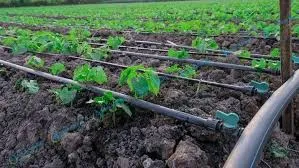
One of the most common types found in Nigeria is emitter lasered tape. In this system, the emitters are precisely etched directly into the tape at predetermined intervals. This type is often cost-effective and suitable for relatively flat terrain where pressure variations are minimal. It’s a popular choice for row crops like vegetables.
Pre-punched Tape with Inline Emitters
Another prevalent option is pre-punched tape where emitters are permanently inserted into the tape wall during manufacturing. These emitters are designed to be more robust and can offer better uniformity of water delivery even in slightly undulating landscapes, though they may be more expensive than lasered tapes.
Drip Line Tubing
For more advanced or long-term installations, drip line tubing is an excellent choice. This is a thicker-walled hose with emitters molded directly into it. It’s durable, can withstand higher pressures, and is often used in larger-scale operations or for perennial crops. While typically more expensive upfront, its longevity and reliability make it a valuable investment for serious vegetable farmers.
Non-Emmiter Tape (Soaker Hose)
While less common for precise vegetable irrigation, some farmers might encounter non-emitter tapes, sometimes referred to as soaker hoses. These porous hoses allow water to seep out along their entire length. They are generally less precise in water distribution and can lead to uneven watering, making them less ideal for managing specific crop needs in vegetable gardens.
Step-by-Step Guide to Installing Drip Irrigation Tape in Your Vegetable Garden
Installing a drip irrigation system in your Nigerian vegetable garden can seem daunting, but by following a systematic approach, it becomes a manageable and rewarding process. The first essential step is to plan your layout. This involves mapping out your garden beds, identifying the location of your water source, and determining the configuration of your vegetable rows. Consider the spacing of your plants and their watering needs when deciding on the placement of your drip tape.
Once your plan is in place, prepare your water source and filtration system. Connect your water source, such as a tank or well, to a pressure regulator and a good quality filter. This is crucial to prevent debris from clogging the emitters and damaging your system. The filter should be appropriate for the quality of your water. Next, lay out your main supply lines. These are typically larger diameter pipes that run from your water source to each section of your garden. Secure these lines in place, ensuring they are properly connected to the pressure regulator and filter.
Now, it’s time to connect the drip tape to the main supply lines. Use appropriate fittings, such as punch tools to create holes in the supply line and barbed connectors to attach the drip tape. Ensure a secure and watertight connection for each section of drip tape. Lay out the drip tape along your vegetable rows. Follow your planned layout, ensuring the tape runs adjacent to your plants, ideally near the root zone. Secure the ends of the drip tape with end caps or by folding and tying them off.
After all the drip tape is laid, it’s time for testing and flushing. Before planting, turn on the water supply and allow the system to run for a few minutes. This will flush out any remaining debris from the installation process and help identify any leaks. Check all connections for leaks and make necessary adjustments. Finally, bury or secure the drip tape. Depending on your preference and the type of tape, you can lightly bury the tape under a thin layer of mulch or secure it to the soil surface with stakes. This protects the tape from UV damage and keeps it in place.
Tips for Maintaining and Troubleshooting Drip Irrigation Systems
Maintaining your drip irrigation system is key to its long-term efficiency and preventing costly repairs. Regular checks are far more effective than waiting for problems to arise. A crucial maintenance task is regularly cleaning or replacing filters. Clogged filters are a primary cause of emitter blockage and reduced water flow. Aim to check your filters at least monthly, or more frequently if your water source is particularly prone to sediment.
Another important tip is to flush the drip lines periodically. At the beginning and end of each growing season, and potentially mid-season if you notice reduced flow, open the end caps of your drip tape and run water through the system at a higher flow rate for a short period. This “flushing” helps dislodge any accumulated sediment or algae. Periodically inspect the drip tape for leaks, cracks, or damage. Look for areas where water is pooling or not reaching the plants as expected. Small leaks can often be repaired with specialized patching kits.
When troubleshooting, the most common issue is clogged emitters. If you notice reduced water flow to certain plants or sections, it’s likely due to clogged emitters. First, identify the affected area and then check your filters. If the filters are clean, you may need to individually inspect and clean or replace the clogged emitters, or flush the entire line. Uneven watering can also occur. This might be due to pressure variations, a partially blocked emitter, or a leak in the main supply line. Ensure your pressure regulator is functioning correctly and that all connections are tight.
Maximizing the Benefits of Drip Irrigation for Nigerian Vegetable Crops
To truly unlock the potential of drip irrigation in your Nigerian vegetable garden, strategic implementation and continuous optimization are essential. One of the most impactful ways to maximize benefits is through fertigation, the process of applying fertilizers through the irrigation system. Drip irrigation allows for precise delivery of water-soluble fertilizers directly to the root zone, ensuring that nutrients are readily available to the plants when they need them most. This leads to more efficient nutrient uptake, healthier growth, and potentially significant savings on fertilizer costs.
Another key to maximizing benefits lies in optimizing watering schedules. Instead of relying on guesswork, monitor your soil moisture levels and observe your crops. Drip irrigation allows for precise control over the duration and frequency of watering. By adjusting these parameters based on weather conditions, crop stage, and soil type, you can prevent both over-watering and under-watering, leading to healthier plants and higher yields. Understanding the specific water requirements of each vegetable variety is crucial for this optimization.
Furthermore, integrating drip irrigation with mulching can significantly enhance its effectiveness. Applying a layer of organic or plastic mulch over the drip tape helps to conserve soil moisture, suppress weed growth, and regulate soil temperature. This combination creates a more stable environment for root development, further reducing water needs and promoting robust plant growth. Finally, regular monitoring and data collection can lead to continuous improvement. Keep records of your watering schedules, fertilizer applications, and crop yields. Analyzing this data will help you identify patterns, refine your practices, and make informed decisions to further enhance the productivity of your vegetable garden.
Case Studies: Successful Implementation of Drip Irrigation in Nigerian Vegetable Gardens
Real-world examples demonstrate the transformative power of drip irrigation for vegetable farmers across Nigeria. In the arid northern regions, where water scarcity is a perennial challenge, a collective of smallholder farmers cultivating tomatoes and peppers adopted drip irrigation. Prior to implementation, their yields were significantly impacted by inconsistent rainfall and the high cost of manual water transportation. After installing drip irrigation systems powered by small solar pumps, they observed a remarkable increase in crop yield, with some reporting a 30-40% improvement. The consistent and targeted watering also led to a reduction in waterborne diseases that previously plagued their crops. The farmers also reported a significant reduction in labor, as the need for manual watering was eliminated.
In the southern parts of the country, where rainfall is more abundant but often intense and erratic, drip irrigation has proven valuable in managing waterlogged conditions and preventing crop losses due to flooding. A farmer specializing in leafy greens like spinach and ugwu found that by using drip tape with carefully controlled emitter spacing, they could maintain optimal soil moisture levels without waterlogging the roots. This led to healthier, more vibrant green produce and a longer harvesting period. The reduction in surface water also meant fewer weeds, further simplifying crop management.
Another inspiring case involves a women’s cooperative in the Middle Belt region focusing on okra and eggplant production. Facing the challenges of unpredictable weather and limited access to technical expertise, they partnered with an agricultural NGO that provided training and facilitated the acquisition of drip irrigation kits. The women learned how to install and maintain the systems, and the results were soon apparent. Their vegetable gardens became more resilient, producing higher quality and quantity of produce even during dry spells. This increased productivity led to improved household incomes, greater food security for their families, and a strengthened sense of economic empowerment within the cooperative. These case studies highlight the adaptability and effectiveness of drip irrigation in diverse Nigerian agricultural contexts, underscoring its role in fostering resilient and productive vegetable farming.
Discover more from Transville Agro
Subscribe to get the latest posts sent to your email.