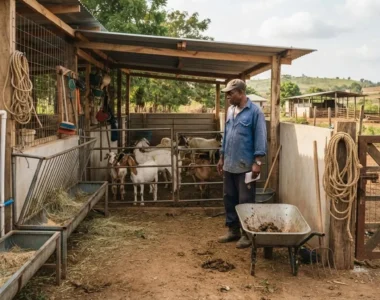
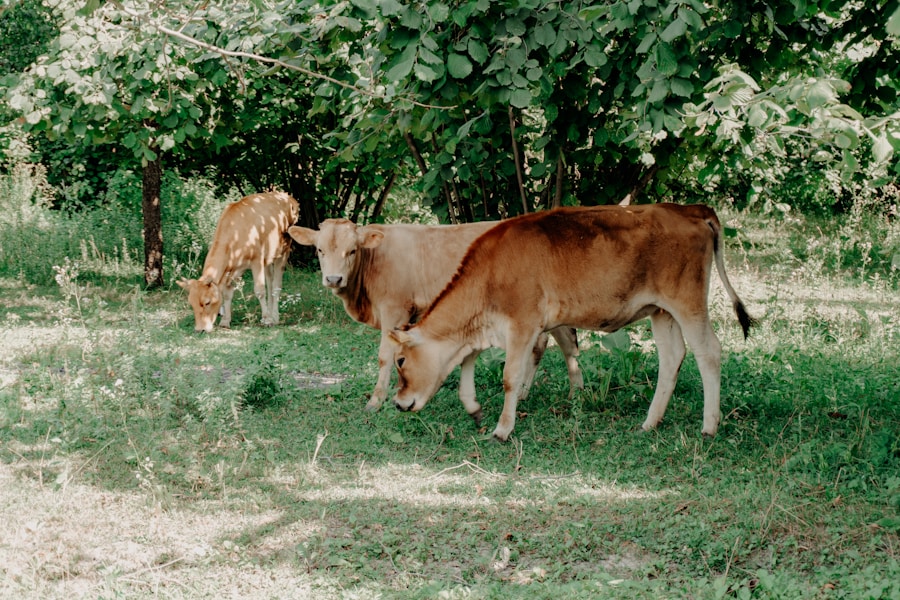
Parasitic worms are a pervasive and often debilitating threat to livestock health and productivity. From reduced weight gain and poor feed conversion to severe illness and even death, the economic impact of internal parasites on farms worldwide is substantial. Conventional dewormers, while effective, can sometimes lead to resistance issues, leave chemical residues in animal products, and are often costly. This has spurred a growing interest in natural, sustainable alternatives, and among these, the humble pawpaw seed is emerging as a promising contender.
Understanding the Benefits of PawPaw Seeds for Livestock Deworming
Pawpaw (Carica papaya) is a tropical fruit known globally for its sweet flesh, but its seeds, historically discarded, are now gaining recognition for their potent medicinal properties, particularly in the realm of anthelmintic (deworming) activity. The benefits extend beyond simply killing parasites; pawpaw seeds offer a holistic approach to livestock health.
Rich in Bioactive Compounds
The primary anthelmintic compounds in pawpaw seeds are benzyl isothiocyanate (BITC) and carpaine. BITC is a naturally occurring compound found in various plants from the Brassicaceae family, and it exhibits broad-spectrum antimicrobial, anti-inflammatory, and anticancer activities, in addition to its known efficacy against intestinal worms. Carpaine, an alkaloid, is also recognized for its deworming capabilities. These compounds work synergistically to disrupt the parasitic life cycle, paralyzing and expelling worms from the host’s digestive system.
Natural and Sustainable Solution
Unlike synthetic dewormers, pawpaw seeds offer a natural and readily available solution, particularly in regions where pawpaw trees are abundant. This reduces reliance on externally sourced chemicals, contributing to a more sustainable farming practice. The use of natural dewormers also aligns with growing consumer demand for organic and naturally raised animal products, potentially opening new market opportunities for farmers.
Potential for Reduced Resistance Development
A significant challenge with conventional dewormers is the development of parasite resistance over time. Because pawpaw seeds contain a complex cocktail of bioactive compounds that act through multiple mechanisms, it is hypothesized that the risk of parasites developing resistance to pawpaw seed treatments may be lower compared to single-compound synthetic drugs. This multi-pronged attack makes it harder for worms to adapt and survive.
Additional Nutritional Support
Beyond their deworming properties, pawpaw seeds also contain essential nutrients, including fiber, protein, and various vitamins and minerals. Incorporating them into livestock feed can provide supplementary nutritional benefits, improving overall animal health, immunity, and resilience against infections. This added nutritional boost can further aid in recovery from parasitic infestations.
How to Use PawPaw Seeds for Deworming Livestock
Implementing pawpaw seeds into a deworming regimen requires careful consideration of preparation, dosage, and administration methods to ensure efficacy and safety.
Seed Preparation Methods
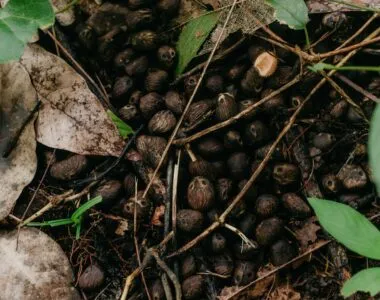
The most common methods involve drying and grinding the seeds. Thorough drying is crucial to prevent mold growth and preserve the active compounds. Sun-drying or using a food dehydrator are effective techniques. Once dried, the seeds can be ground into a fine powder using a coffee grinder or a mortar and pestle. This powdered form is easier to mix into feed and ensures consistent distribution. Some farmers also advocate for using fresh, crushed seeds, particularly for immediate relief, though the stability and precise dosage can be more challenging to manage.
Dosage and Frequency Guidelines
Determining the appropriate dosage depends on the type of livestock, their age, weight, and the severity of the parasitic infestation. While specific research-backed dosages are still emerging, anecdotal evidence and preliminary studies suggest a general guideline of 5-10 grams of dried, powdered pawpaw seeds per 100 kg of animal live weight, administered daily for 3-7 consecutive days. For severe infestations, a higher dose or longer treatment period might be considered under veterinary guidance. A common practice is to repeat the treatment every 4-6 weeks, or as needed based on fecal egg count reductions.
Administration Techniques
The most straightforward method is to mix the powdered pawpaw seeds directly into the animal’s regular feed. This ensures the animal consumes the treatment without stress. For individual animals, especially those reluctant to eat the treated feed, the powder can be mixed into a palatable molasses drench or a paste with a small amount of water and administered orally using a syringe. It is essential to ensure the animal consumes the entire dose to maximize effectiveness.
The Science Behind PawPaw Seeds as a Natural Dewormer for Livestock
The anthelmintic action of pawpaw seeds for livestock is not merely folk wisdom; it is increasingly supported by scientific investigation, unraveling the complex mechanisms at play.
Mechanism of Action of Key Compounds
Benzyl isothiocyanate (BITC) is believed to exert its anthelmintic effect by interfering with the parasitic nervous system, leading to paralysis and subsequent expulsion. It may also disrupt cellular metabolism and enzyme activity within the worms. Carpaine, on the other hand, is thought to inhibit the growth and development of parasites, potentially by affecting their reproductive capabilities or nutrient absorption. The combined action of these and other compounds creates a hostile environment for parasites within the host’s gut.
Research and Efficacy Studies
Numerous in vitro and in vivo studies have demonstrated the efficacy of pawpaw seed extracts against various gastrointestinal nematodes in livestock. Research on goats, sheep, and poultry has shown significant reductions in fecal egg counts following pawpaw seed administration. For instance, studies on sheep infected with Haemonchus contortus (barber pole worm), a highly pathogenic nematode, have reported substantial reductions in worm burden after treatment with pawpaw seed powder. While more extensive, controlled trials are continually needed to establish standardized protocols and definitively compare efficacy against conventional dewormers, the existing evidence is highly encouraging.
Safety and Toxicity Considerations
Pawpaw seeds for livestock are generally considered safe for livestock when administered in appropriate doses. However, like any medicinal substance, moderation is key. Extremely high doses could potentially lead to digestive upset or other adverse effects. It is prudent to introduce pawpaw seeds gradually and observe animals for any signs of discomfort. Pregnant or lactating animals may require special consideration, and veterinary consultation is always recommended, especially if you have concerns or are dealing with a severe infestation.
Tips for Administering PawPaw Seeds to Livestock for Deworming
Successful integration of pawpaw seeds into your deworming program requires practical application and a watchful eye on your animals’ responses.
Gradual Introduction and Palatability
Some animals might initially be hesitant to consume feed mixed with pawpaw seed powder due to its slightly bitter taste. A gradual introduction, starting with small quantities and slowly increasing the dose over several days, can help animals acclimate. Mixing it with highly palatable feeds, such as molasses-treated grains or ensilage, can also enhance acceptance.
Monitoring Effectiveness with Fecal Egg Counts
To truly gauge the efficacy of pawpaw seeds, regular fecal egg counts (FECs) are indispensable. Collecting fecal samples before treatment and at specific intervals (e.g., 7-14 days) after treatment allows you to quantify the reduction in parasite eggs, providing objective evidence of the dewormer’s success. This also helps in optimizing the dosage and frequency of administration.
Consulting with a Veterinarian or Animal Nutritionist
While pawpaw seeds offer a natural approach, they should not replace professional veterinary advice, especially for severe infestations or when dealing with compromised animals. A veterinarian can help diagnose specific parasitic issues, recommend appropriate dosages, and monitor for potential interactions with other medications or supplements. An animal nutritionist can also assist in integrating pawpaw seeds into a balanced feed program.
Integrating PawPaw Seeds into Your Livestock Deworming Routine
Establishing a comprehensive deworming strategy involves more than just a single treatment; it requires a systematic approach that includes prevention and monitoring.
Developing a Holistic Deworming Program
Pawpaw seeds can be a valuable component of an integrated parasite management (IPM) strategy. This holistic approach combines various methods, including rotational grazing, maintaining good hygiene, appropriate stocking densities, genetic selection for resistant animals, and strategic use of dewormers (both natural and conventional). Relying solely on one method is rarely effective in the long term.
Combining PawPaw Seeds with Other Natural Remedies
Pawpaw seeds can be used in conjunction with other natural dewormers or immune boosters to enhance overall effectiveness. For example, garlic, diatomaceous earth, or certain herbal preparations might offer complementary effects. However, it is crucial to research potential interactions and ensure the safety of any combined treatments. Always introduce new remedies cautiously.
When and How to Strategically Use PawPaw Seeds
Pawpaw seeds can be employed preventively, particularly in environments prone to high parasite loads, or reactively when fecal egg counts indicate a significant worm burden. Strategic deworming involves timing treatments to coincide with critical periods in the parasite life cycle or high-risk periods for the animals (e.g., weaning, calving, during wet seasons). Tailoring the pawpaw seed application to these strategic windows can maximize impact and minimize the overall parasite challenge. Regular monitoring through fecal egg counts will guide these strategic decisions, ensuring treatments are administered precisely when and where they are most needed. By systematically integrating pawpaw seeds into a well-managed livestock health program, farmers can leverage this natural resource to achieve sustainable and effective parasite control, ultimately contributing to healthier animals and more productive operations.
FAQs
What are the benefits of using PawPaw seeds for deworming livestock?
PawPaw seeds contain natural compounds that have been found to effectively eliminate parasites in livestock, making it a safe and natural alternative to chemical dewormers.
How do you use PawPaw seeds for deworming livestock?
PawPaw seeds can be ground into a powder and mixed with the animal’s feed or water. The recommended dosage varies depending on the size and weight of the animal.
What is the science behind PawPaw seeds as a natural dewormer for livestock?
PawPaw seeds contain an enzyme called caricin, which has been shown to have anthelmintic properties, meaning it can expel parasitic worms from the body.
What are some tips for administering PawPaw seeds to livestock for deworming?
It’s important to ensure that the seeds are ground into a fine powder to ensure even distribution in the animal’s feed or water. Additionally, it’s recommended to consult with a veterinarian for proper dosage and administration.
How effective are PawPaw seeds for livestock deworming?
Studies have shown that PawPaw seeds can be effective in reducing parasite infestations in livestock when used as directed. However, individual results may vary, and it’s important to monitor the animals for any signs of distress or adverse reactions.
Discover more from Transville Agro Africa
Subscribe to get the latest posts sent to your email.