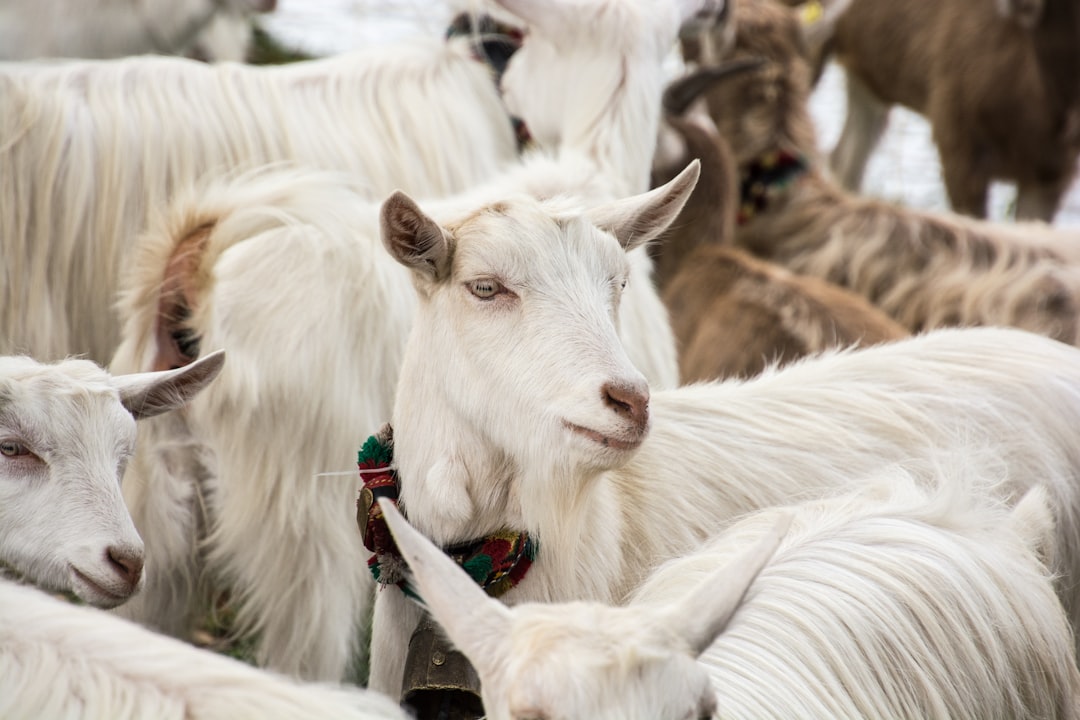
So, you’re looking to get into goat farming, or maybe you’re already there and want to optimize your setup. Good call! The big question on everyone’s mind when starting is often, “How many goats can I even have?” The quick answer is: it totally depends on your available space, forage, and management practices. There’s no magic number, but understanding the principles of smart stocking will be key to a healthy herd and a profitable business. Let’s dive into how to make that happen.
Understanding the Basics of Goat Stocking
Stocking density is basically how many goats you can comfortably and sustainably keep on a given piece of land. It’s not just about space; it’s about what that space can provide.
What is Stocking Density?
Think of stocking density as the balance between your animals and the resources your land offers. If you cram too many goats into a small area, you’ll quickly deplete your pastures, starve your animals, and invite disease. Too few, and you’re underutilizing your land and leaving money on the table. It’s a bit of a Goldilocks scenario – you want it just right.
The Role of Forage and Pasture Management
Your pasture is your goats’ primary pantry. The quality and quantity of your forage will be the biggest determinant of your stocking rate. A lush, well-maintained pasture can support more animals than a sparse, overgrazed land. This means understanding your soil, what types of grasses and legumes grow best, and implementing rotational grazing. Rotational grazing means moving your goats regularly to fresh paddocks, allowing previously grazed areas to recover. This isn’t just good for the plants; it breaks parasite cycles, too.
Factors Beyond Land Area
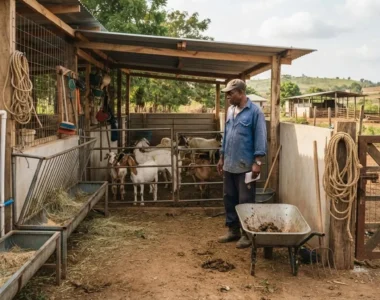
While land is crucial, other factors play a hefty role. Access to clean water, adequate shelter from the elements, and your ability to manage your herd (time, labor, equipment) all influence how many goats you can realistically handle. Don’t forget about local regulations or zoning laws, which might have their own stipulations regarding livestock numbers.
Selecting the Right Breeds for Your Herd
Choosing the right goat breed isn’t just about what looks cute. It’s about aligning the breed’s characteristics with your business goals and your local environment.
Dairy Goats: For Milk Production
If you’re aiming for milk, breeds like Nigerian dwarf, Alpine, Nubian, Toggenburg, and LaMancha are your go-to. Each has its own personality and milk profile. Nubians, for instance, offer rich, high-butterfat milk, while Saanens are known for high volume. Consider your market – will you be selling liquid milk, cheese, or soap? This can influence which breed’s milk characteristics are most desirable.
Meat Goats: For Carcass Quality
Boer and Sokoto red goats are the undisputed kings of the meat goat world, known for their rapid growth and excellent muscling. Other good meat breeds include Kiko and Spanish goats, both known for their hardiness and foraging abilities. If you’re in a tough climate or on more rugged terrain, these resilient breeds might be a better fit than the larger, more demanding Boers. Your local market preferences for cuts and size also matter here.
Fiber Goats: For Mohair and Cashmere
Angora goats produce luxurious mohair, while Cashmere goats (a type rather than a specific breed) produce soft cashmere. If you’re going this route, be prepared for regular shearing and understand the specific market demands for fiber quality and quantity. Fiber goats often have different nutritional needs, especially around shearing time.
Dual-Purpose and Other Considerations
Some breeds, like Anglo-Nubians and Kalahari red, can be considered dual-purpose, offering both milk and meat. Pygmy goats are often kept as pets or for brush control. When making your choice, think about climate suitability, disease resistance, temperament, and how easily you can source breeding stock locally. A breed that thrives in one region might struggle in another.
Managing Herd Size and Growth
Once you have your initial stock, managing its growth is like steering a ship. You need a plan to keep it on course. For more information on raising goat breeding stock, check out this article.
Calculating Carrying Capacity
This is where you put pencil to paper.
First, estimate your available forage. You can even get your local agricultural extension office to help with a pasture analysis. Then, consider how much forage one goat needs daily (it varies by size, age, and production stage).
From there, you can get a rough idea of your pasture’s carrying capacity. Remember, this isn’t static; it changes with seasons, rainfall, and your pasture management. Always err on the side of caution and slightly understock rather than overstock.
Adjusting for Different Seasons
Pasture productivity isn’t constant.
Winter might mean little to no grazing, requiring more hay and supplemental feed. Summer droughts can drastically reduce forage. Your stocking rate needs to be flexible enough to handle these fluctuations.
This might mean having a strategy for selling off excess animals before dry seasons or having sufficient hay reserves.
Developing a Culling Strategy
Culling sounds harsh, but it’s essential for herd health and profitability. This means regularly removing animals that aren’t performing well – those with chronic health issues, poor milk production, low growth rates, or temperamental problems. It also applies to older animals whose productivity is declining.
A good culling strategy ensures your resources are going towards your best animals, improving the overall genetics and efficiency of your herd
Tips for Feeding and Nutrition
| Category | Recommendation |
|---|---|
| Feeding Schedule | Feed your pet at the same time every day to establish a routine. |
| Portion Control | Measure your pet’s food to ensure they are getting the right amount. |
| Water Intake | Always provide fresh water for your pet to drink throughout the day. |
| Healthy Treats | Choose nutritious treats and limit the amount given to avoid overfeeding. |
| Consultation | Consult with a veterinarian for personalized feeding and nutrition advice. |
Proper nutrition is not just about keeping your goats alive; it’s about optimizing their health, productivity, and reproductive success.
Understanding Goat Nutritional Needs
Goats are ruminants, meaning they have a four-compartment stomach designed to digest fibrous plant material. Their primary diet should be forage – pasture, hay, or browse. They need a balance of protein, energy (carbohydrates and fats), vitamins, and minerals. Needs vary significantly based on age, production stage (growing, lactating, pregnant, breeding), and environment. Lactating does, for example, have much higher energy and protein demands than dry does.
Supplementation Strategies
Even the best pasture might not meet all nutritional requirements, especially during certain production phases or if forage quality is poor.
Mineral and Vitamin Requirements
Goats are particularly susceptible to mineral deficiencies, especially copper and selenium, depending on your region. A good trace mineral supplement, specifically formulated for goats, should always be available free-choice. These often come in block or loose mineral form. Loose minerals are generally preferred as goats tend to consume more of them. Your local vet or extension agent can advise on specific deficiencies in your area.
Hay and Grain Supplementation
When pasture is insufficient or during winter months, good-quality hay is essential. Alfalfa hay is excellent for lactating does due to its high protein and calcium content. Grains are used to provide concentrated energy, particularly for high-producing animals, growing kids, or during periods of stress. Introduce grain gradually to avoid digestive upset. Never overfeed grain, as it can lead to serious health issues like acidosis.
Water Access: The Non-Negotiable
This often gets overlooked, but constant access to clean, fresh water is paramount. Goats won’t eat or produce well if they are dehydrated. Water sources should be cleaned regularly and placed conveniently for all animals.
Health and Disease Management

A healthy herd is a productive herd. Proactive health management is far more effective and less costly than reacting to outbreaks in goat farming
Establishing a Herd Health Program
This starts with a good relationship with a local veterinarian who understands goats. A health program should include:
Vaccination Schedule
Work with your vet to determine a vaccination schedule appropriate for your area and your herd’s specific risks. Common vaccinations protect against diseases like Clostridium perfringens (type C & D) and Tetanus (CD&T).
Parasite Control: Internal and External
Internal parasites (worms) are a constant battle in goats. Implement a strategic deworming program, ideally using FAMACHA scoring (checking eyelid color for anemia) and fecal egg counts to guide your deworming decisions and reduce drug resistance. Rotate dewormer classes. For external parasites like lice or mites, regular checks and appropriate treatments are necessary.
Biosecurity Measures
Preventing disease from entering your goat farm is crucial. Isolate new animals for at least 30 days before introducing them to the herd. Maintain good hygiene in pens and shelters. Control visitor access and ensure that anyone handling your goats practices good sanitation.
Common Goat Ailments and Prevention
Understand the signs of common goat diseases such as Coccidiosis in kids, CAE (Caprine Arthritis Encephalitis), CL (Caseous Lymphadenitis), and respiratory infections. Early detection and prevention through good management practices are your best defenses. Always have a well-stocked first-aid kit readily available. Recognizing subtle changes in behavior or appetite can often be the first sign of an emerging health issue.
Breeding and Reproduction Strategies
Smart breeding choices directly impact the genetic quality and productivity of your future herd.
Breeding Season Planning
Goats are generally seasonal breeders, with most breeds breeding in the fall as daylight hours shorten. However, some, like Nubians, can breed year-round. Plan your breeding season to align with your market cycles and forage availability. For example, kidding in early spring can take advantage of lush pastures.
Selecting Quality Breeding Stock
Choose healthy, vigorous bucks and does from lines known for good production (milk, meat, fiber), fertility, and desirable conformation. Avoid breeding animals with known genetic defects or chronic health issues. Records are invaluable here – track kidding intervals, birth weights, growth rates, and milk production.
Kidding Management
In Goat farming, prepare for kidding well in advance. Have clean, dry kidding pens ready. Monitor pregnant women closely as their due date approaches. Be prepared to assist if needed, but the kid often does without intervention. Ensure newborns receive colostrum (first milk) within the first few hours of birth for crucial antibody transfer. Proper care of the dam and kid post-kidding sets the stage for healthy growth.
Maximizing Profitability in Your Goat Business
Running a successful goat farming isn’t just about having healthy goats; it’s about making smart financial decisions.
Cost-Benefit Analysis of Inputs
Every expense, from feed to veterinary care, needs to be weighed against its return. For example, investing in high-quality hay might cost more upfront but could lead to better milk production and fewer health issues, saving you money in the long run. Track your expenses meticulously.
Diversifying Income Streams
Don’t put all your eggs in one basket. Can you sell milk and make cheese? Can you sell meat and offer weed control services with your goats? Think about value-added products (soaps, lotions, fiber crafts) or selling genetics (breeding stock) in addition to raw products.
Marketing and Sales Strategies
Understand your market. Who are your customers? Are you selling directly to consumers at a farmers’ market, to restaurants, or through a cooperative? Build a brand, even if it’s small-scale. High-quality products and good customer service will help you stand out. Online presence is increasingly important, even for local farms.
By thoughtfully planning your stocking density, choosing the right breeds, staying on top of nutrition and health, and making sound business decisions, you will be well on your way to building a thriving goat enterprise. It’s a challenging but deeply rewarding venture!
Discover more from Transville Agro
Subscribe to get the latest posts sent to your email.