Introduction
Farming is the backbone of Nigeria’s economy, providing food and jobs for millions. But planting seeds and fertilizers by hand is hard work! Thankfully, tools like seed and fertilizer planters make this easier. Pair these tools with high-quality hybrid seeds like Maradona pawpaw and organic fertilizers, and you’ve got a recipe for bigger, healthier harvests. In this post, we’ll explore different types of planters, the best seeds and fertilizers to use with them, and how they help Nigerian farmers grow better crops. Let’s dig in!
What Are Seed and Fertilizer Planters?
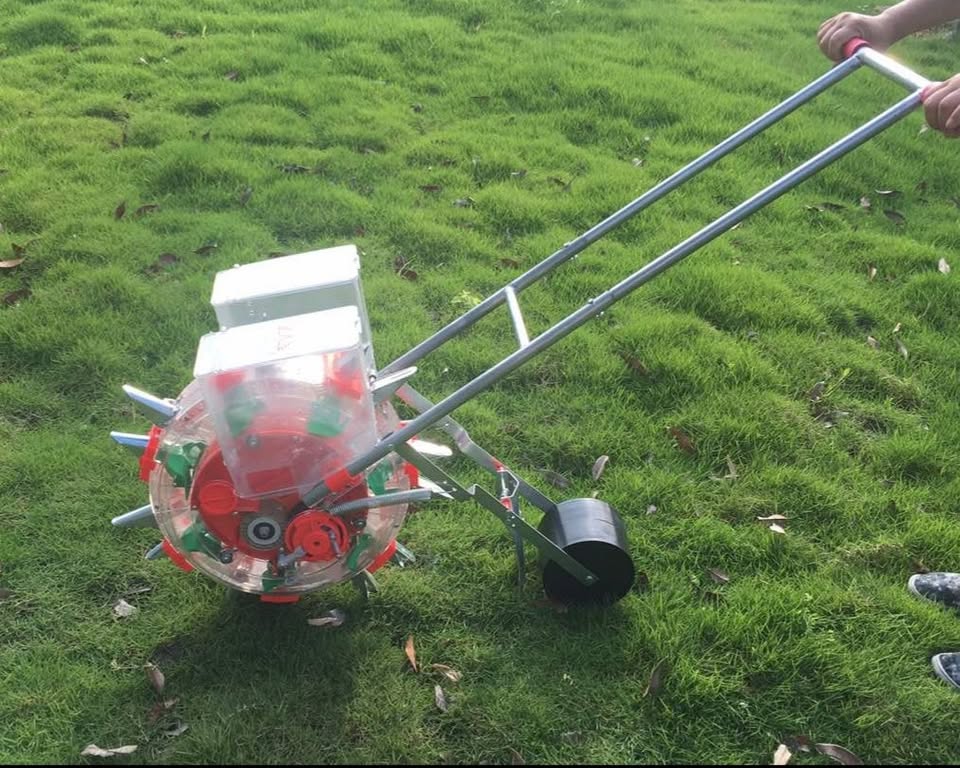
A seed and fertilizer planter is a tool that helps farmers plant seeds and add fertilizers to the soil at the same time. Instead of bending over for hours or wasting seeds, these machines do the job quickly and neatly. Think of it like a “food printer” for your farm—it drops seeds and nutrients exactly where they need to go!
Types of Seed and Fertilizer Planters
1. Plastic Seed Planter
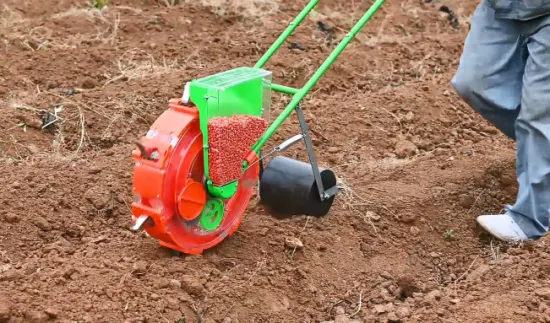
What Is It?
Plastic seed planters are made from strong, durable plastic. They’re lightweight and perfect for small farms.
Benefits:
- Affordable: Great for farmers on a budget.
- Easy to Use: No training is needed—just fill, push, and plant!
- Low Maintenance: Rinse with water, and it’s ready for next season.
- Portable: Carry it anywhere, even on rocky or uneven land.
Best For: Vegetables like tomatoes, peppers, or leafy greens in small plots.
2. Metal Seed Planter
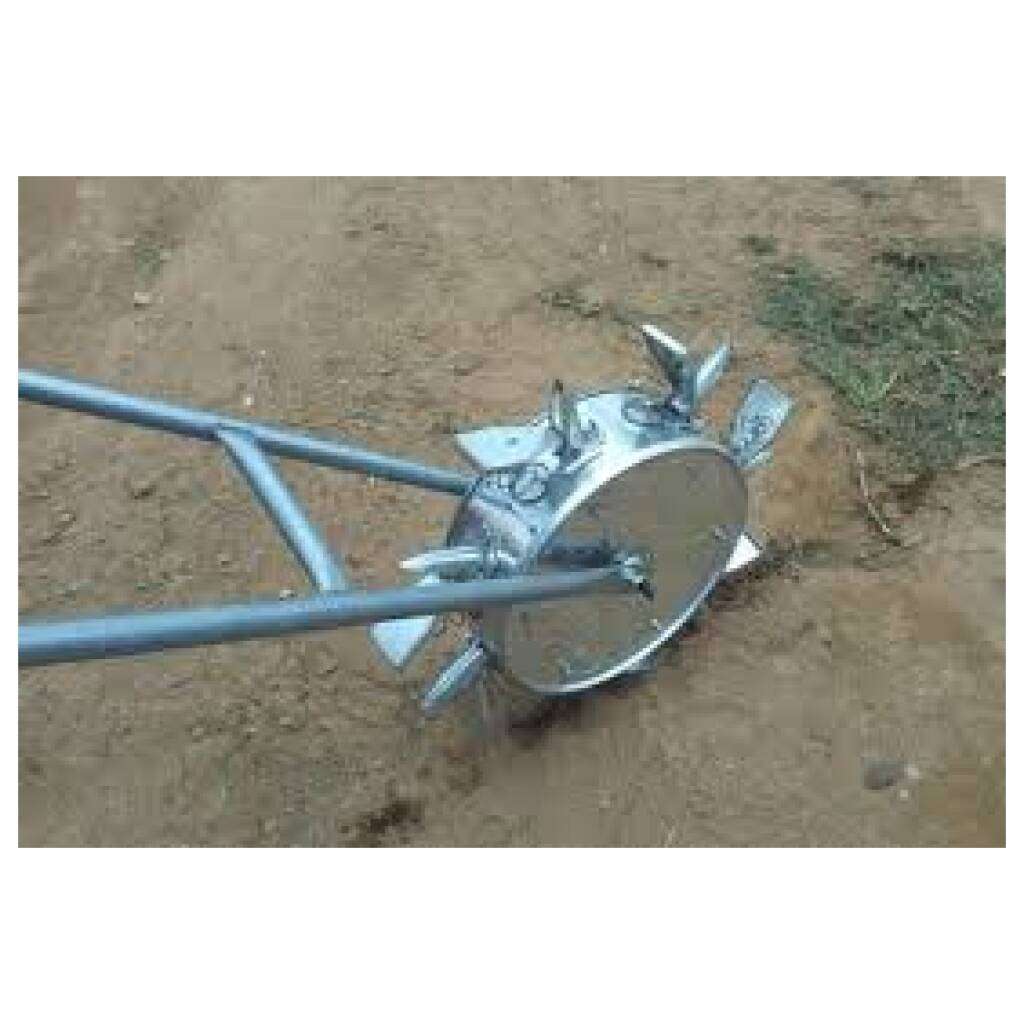
What Is It?
Metal seed planters are built from iron or steel. They’re heavier than plastic but last longer and handle tougher jobs.
Benefits:
- Durable: Survives rough soil, thorns, and heavy use.
- Efficient: Covers large fields quickly.
Best For: Crops like maize, sorghum, or soybeans in medium to large farms.
3. Precision Seed and Fertilizer Planter
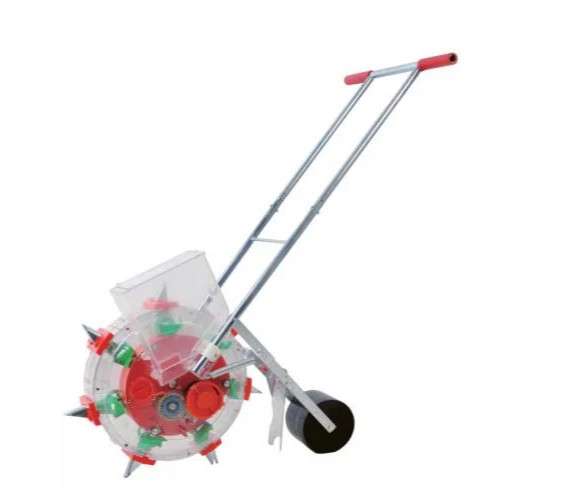
What Is It?
Precision seed and fertilizer planters are plastic planters with precision settings that measure exact amounts of seeds and fertilizers.
Benefits:
- No Waste: Drops seeds and fertilizers in precise spots.
- Saves Time: Plants rows faster than manual labor.
- Boosts Yields: Healthy spacing = healthier crops!
Best For: Commercial farms growing cash crops like rice, wheat, or cotton.
Hybrid Seeds and Organic Fertilizers: Perfect Partners for Planters
To get the most out of your planter, pair it with hybrid seeds and organic fertilizers. These combinations are perfect for bountiful farm yields!
Hybrid Seeds: Better Crops, Bigger Harvests
Hybrid seeds are created by cross-pollinating two different plant varieties. They grow faster, resist diseases, and produce more food.
Example: Maradona Pawpaw Seeds
- Why Farmers Love It: Maradona pawpaw seed F1 is a popular hybrid in Nigeria. It grows quickly, produces large fruits, and resists common diseases like papaya ringspot virus.
- Yield: A single tree can give 50–100 fruits per year!
- Best with: Precision planters (for accurate spacing) or metal planters (for larger farms).
Other Hybrid Seeds for Nigeria:
- Maize: SAMMAZ varieties (drought-resistant).
- Rice: FARO series (high-yielding, ideal for precision planters).
- Tomato: UC82B (disease-resistant, perfect for plastic planters).
Where to Buy: Check agro-dealers or the National Agricultural Seeds Council for approved seeds.
Organic Fertilizers: Feed Your Soil Naturally
Organic fertilizers are made from natural materials like compost, animal waste, or plant residues. They improve soil health and are safer for the environment than chemical fertilizers.
Types to Try:
- Compost: Mix kitchen scraps, leaves, and manure. Rich in nutrients and easy to make at home.
- Poultry Manure: Chicken waste is packed with nitrogen—great for leafy vegetables.
- Bone Meal: Crushed animal bones add phosphorus, which helps roots grow strong.
- Neem Cake: Repels pests and adds nutrients. Popular in Nigeria!
Why Use Organic Fertilizers?
- Long-Term Soil Health: Keeps soil fertile for years.
- Safe for Families: No harmful chemicals.
- Works With Planters: Use plastic, metal, or precision planters—just adjust the settings to avoid clogging.
Pro Tip: Mix organic fertilizers with a little water to create a slurry for smoother planter use.
Why Should Nigerian Farmers Use Planters?
- Save Time: Plant a whole field in hours, not days.
- Save Money: Less wasted seeds = more profit.
- Better Crops: Fertilizers go straight to the roots for faster growth.
- Less Work: No backaches from bending over!
How to Choose the Right Planter
- Small Garden? Go for plastic—it’s cheap and easy. Use with hybrid tomatoes and compost.
- Big Farm? Invest in metal or precision tools. Perfect for Maradona pawpaw or FARO rice.
Where to Buy Planters, Seeds, and Fertilizers in Nigeria.
- Online Stores:
- Transville Agro: Sells precision planters hybrid seeds and organic fertilizers.
- Government Support: Apply for subsidies via state agriculture offices.
FAQs
Q: Can I use a planter for rice?
A: Yes! Precision planters work best for flooded rice fields. Pair with FARO rice seeds.
Q: Do planters work on slopes?
A: Metal planters handle slopes better than plastic ones.
Q: Can I use organic fertilizers in a precision planter?
A: Yes! Grind the fertilizer finely or mix it with water to avoid clogging the machine.
Conclusion
Seed and fertilizer planters are perfect for Nigerian farmers. Pair them with superhero hybrids like Maradona pawpaw and organic fertilizers, and get excellent yields. Whether you choose plastic, metal, or precision tools, you’ll save time, money, and energy. Ready to try one? Your crops will thank you!
References:
- FAO Report on Nigerian Agriculture
- National Agricultural Seeds Council
- Federal Ministry of Agriculture and Food Security
Discover more from Transville Agro
Subscribe to get the latest posts sent to your email.