
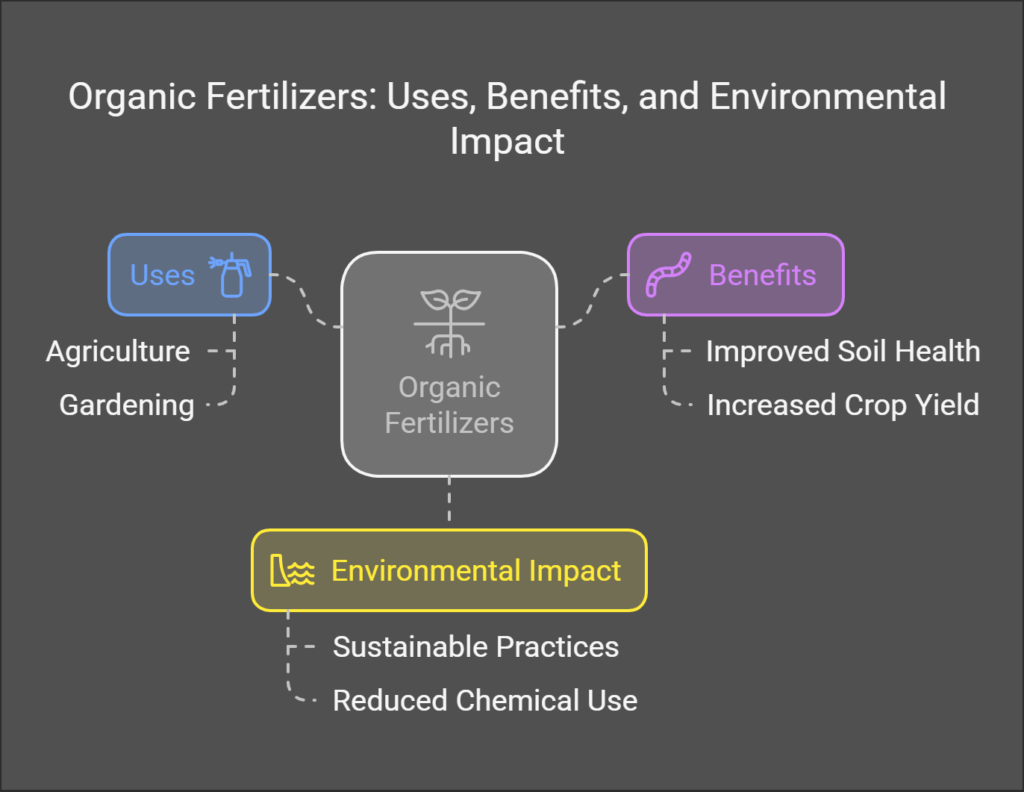
Organic fertilizers are a game-changer for anyone looking to boost their garden or farm naturally. With over 2000 products delivered across Nigeria and Africa, Transville Agro connects farmers to high-quality agricultural inputs and support. Not only do they enrich the soil, but they also promote healthier plant growth without the harsh chemicals found in synthetic options. Plus, they’re eco-friendly, helping to sustain the environment. Whether you’re into home gardening or large-scale farming, organic fertilizers can make a huge difference. In this article, we’ll explore the benefits and uses of organic fertilizers to help you enhance your farming or gardening practices.
📊 “The global organic fertilizer market is projected to grow at a CAGR of 12.1% from 2021 to 2026, reflecting the increasing demand for sustainable farming practices.” Source
What Are Organic Fertilizers?
Organic fertilizers are natural substances derived from plant, mineral, or animal matter. Unlike synthetic fertilizers, they are not chemically processed and are made from materials such as compost, manure, bone meal, and seaweed. These fertilizers are rich in essential nutrients like nitrogen, phosphorus, and potassium, which are slowly released into the soil, promoting healthy plant growth over time.
Types of Organic Fertilizers
- Animal-Based Fertilizers: These include bone meal, blood meal, and manure. They are rich in nitrogen and phosphorus, essential for plant growth.
- Plant-Based Fertilizers: Examples are compost, green manure, and Neem fertilizer. These improve soil structure and provide a balanced nutrient supply.
- Mineral-Based Fertilizers: Rock phosphate and gypsum fall into this category, offering long-term nutrient release.
Benefits of Organic Fertilizers
- Improved Soil Health: Organic fertilizers enhance soil structure, increase microbial activity, and boost nutrient availability.
- Environmental Sustainability: They reduce the need for chemical inputs, lowering the risk of soil and water pollution.
- Better Crop Quality: Crops grown with organic fertilizers often have higher nutrient content and better taste.
- Cost-Effectiveness in the Long Term: Although initially more expensive, organic fertilizers can reduce costs over time by improving soil health and reducing the need for synthetic inputs.
How Organic Fertilizers Work
Organic fertilizers work by slowly releasing nutrients into the soil as they decompose. This process is aided by soil microorganisms, which break down the organic matter, making nutrients available to plants. Unlike synthetic fertilizers, which provide a quick nutrient boost, organic fertilizers offer a steady supply of nutrients, promoting sustained plant growth. Additionally, they improve soil structure and increase water retention, benefiting the overall health of the soil.
Uses of Organic Fertilizers
In Subsistence Farming
Organic fertilizers are a fantastic choice for home-farming families. They provide a natural and safe way to nourish your plants, ensuring that your fruits, vegetables, and flowers grow healthy and vibrant. Compost, bone meal, and fish emulsion are popular options that can be easily applied to your garden beds or potted plants. These fertilizers not only improve soil structure but also enhance its ability to retain moisture, reducing the need for frequent watering.
In Commercial Farming
In commercial farming, organic fertilizers play a crucial role in sustainable agriculture. They help in maintaining soil fertility and reducing dependency on chemical fertilizers. Farmers often use organic manure, such as cow dung or poultry litter, to enrich the soil with essential nutrients. This not only boosts crop yield but also improves the quality of the produce. Organic fertilizers are also beneficial in crop rotation systems, where they aid in restoring soil health between planting cycles.
In Landscaping
For landscaping projects, organic fertilizers offer a green solution to maintaining healthy lawns and ornamental plants. They can be used to promote the growth of shrubs, trees, and ground covers. Products like seaweed extract and compost tea are excellent for providing a balanced nutrient supply, encouraging robust root development, and enhancing the overall resilience of plants. Using organic fertilizers in landscaping not only benefits the plants but also contributes to a healthier environment by reducing chemical runoff.
Differences Between Organic and Synthetic Fertilizers
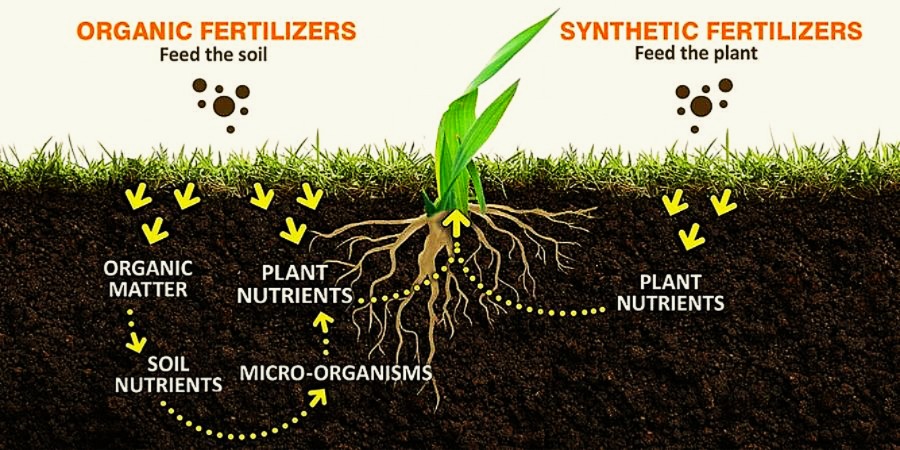
| Organic Fertilizers | Synthetic Fertilizers | |
| Source | Natural materials like compost, manure, and bone meal | Chemically manufactured substances |
| Nutrient Release | Slow and steady, as they break down naturally | Fast, providing immediate nutrients to plants |
| Soil Health | Improves soil structure and promotes microbial activity | Can lead to soil degradation over time |
| Environmental Impact | Eco-friendly, reduces pollution and enhances biodiversity | Potential for runoff, leading to water pollution |
| Cost | Often more expensive initially but cost-effective in the long run | Generally cheaper upfront but may require frequent applications |
Challenges of Using Organic Fertilizers
Nutrient Variability
Organic fertilizers often come with the challenge of nutrient variability. Unlike synthetic fertilizers, which have a consistent nutrient composition, organic options can vary widely. This means that the nutrient content in organic fertilizers depends on the source material, such as animal manure or compost. Farmers and gardeners need to test their organic fertilizers regularly to ensure they meet the nutrient requirements of their plants. This variability can make it difficult to predict the exact nutrient release rate, potentially affecting plant growth.
Application Challenges
Applying organic fertilizers can be more complex than using synthetic ones. Organic fertilizers are often bulkier and harder to spread evenly. They may require special equipment or manual labor to apply effectively. Additionally, some organic fertilizers have an unpleasant odor, which can be a concern for those using them in residential areas. It’s also important to note that organic fertilizers generally release nutrients more slowly, so they need to be applied well in advance of the growing season to be effective.
Cost Concerns
While organic fertilizers offer long-term benefits for soil health, they can be more expensive upfront compared to synthetic options. The cost of organic fertilizers can be a barrier for small-scale farmers or gardeners with limited budgets. Moreover, the need for larger quantities to achieve the same nutrient levels as synthetic fertilizers can add to the overall expense. Despite these challenges, many growers choose organic fertilizers for their environmental benefits and their ability to improve soil structure and fertility over time.
Enhancing the Effectiveness of Organic Fertilizers
Proper Application Techniques
To get the most out of organic fertilizers, it’s crucial to apply them correctly. Timing is everything. Apply fertilizers during the growing season when plants can make the most of the nutrients. It’s also important to incorporate them into the soil rather than just sprinkling them on the surface. This helps in better nutrient absorption and reduces the chances of runoff. Using compost teas or liquid organic fertilizers can also enhance nutrient availability.
Combining with Other Practices
Organic fertilizers work best when combined with other sustainable farming practices. For instance, pairing them with crop rotation or cover cropping can boost soil health and productivity. Mixing different types of organic fertilizers can provide a balanced nutrient supply. For example, combining nitrogen-rich fertilizers like blood meal with phosphorus-rich bone meal can support diverse plant needs.
Storage Tips
Proper storage of organic fertilizers ensures they retain their effectiveness. Keep them in a dry, cool place to prevent moisture buildup, which can lead to nutrient loss or mold growth. It’s also a good idea to store them in airtight containers to avoid attracting pests. Labeling containers with the type of fertilizer and the date of storage can help in managing inventory and ensuring old stock is used first.
Environmental and Economic Impact
Environmental Benefits
Organic fertilizers offer significant environmental advantages. They reduce the need for chemical fertilizers, which can cause soil and water pollution. By enhancing soil structure and promoting biodiversity, organic fertilizers help maintain healthy ecosystems. They also contribute to carbon sequestration, reducing greenhouse gas emissions. Additionally, organic fertilizers improve water retention in soil, decreasing the need for irrigation and conserving water resources.
Economic Advantages
From an economic perspective, organic fertilizers can be cost-effective in the long run. Although they may have higher initial costs compared to synthetic fertilizers, they enhance soil fertility over time, reducing the need for repeated applications. This long-term improvement in soil health can lead to increased crop yields and better-quality produce, potentially increasing farmers’ income. Moreover, using organic fertilizers can open up new markets for organic produce, which often commands higher prices.
Community Impact
The use of organic fertilizers can positively impact local communities by promoting sustainable farming practices. This can lead to healthier food production and a safer environment for residents. Farmers who adopt organic methods may also benefit from government incentives and support programs aimed at encouraging sustainable agriculture. Furthermore, organic farming can create job opportunities in rural areas, as it often requires more labor-intensive practices compared to conventional farming.
The Future of Organic Fertilizers
Technological Advances
The future of organic fertilizers is bright, with technological advances paving the way for more efficient and effective products. Researchers are exploring new methods to enhance nutrient availability and reduce application rates. Innovations in bio-fermentation and composting are expected to produce fertilizers with higher nutrient content and improved soil conditioning properties. These advancements could make organic fertilizers more competitive with synthetic options, encouraging broader adoption among farmers.
Market Trends
As consumers become more environmentally conscious, the demand for organic fertilizers is expected to grow. This trend is driven by the increasing popularity of organic farming and gardening, as well as the rising awareness of the environmental benefits of organic fertilizers. Companies are responding by expanding their product lines and investing in research and development to create more effective organic solutions. The market is also seeing a shift towards locally produced organic fertilizers, which can reduce transportation costs and carbon emissions.
Global Policies
Government policies play a crucial role in shaping the future of organic fertilizers. Many countries are implementing regulations to promote sustainable agriculture and reduce the use of synthetic fertilizers. These policies often include incentives for farmers who adopt organic practices, such as tax breaks or subsidies. International agreements on climate change and biodiversity may also encourage the use of organic fertilizers, as they align with goals to reduce environmental impact and promote sustainable land use.
Why Choose Transville Agro for Your Agricultural Needs?
At Transville Agro, we’ve empowered over 2000 farmers across Nigeria and Africa by providing access to high-quality agricultural inputs and equipment. Our extensive selection, including Neem Organic Fertilizer, Controlphyt Cu Liquid Copper, and Agriful Biostimulant Fertilizer, ensures that your farming practices are both efficient and sustainable.
With our secure digital marketplace, easy online ordering, and reliable logistics partners, you can trust us to deliver the best products right to your doorstep. Explore our range of agricultural products and take advantage of our personalized expert support to enhance your farming operations.
Improve your farm yield with AI-enhanced soil Analysis and real-time crop monitoring.
We combine AI and GPS-guided digital tools to conduct soil nutrient analysis to know the nutrient deficiency levels for efficient and cost-effective fertilizer application.
👉Visit our website to browse our products or get in touch with us today.
Frequently Asked Questions
What are the main differences between organic and synthetic fertilizers?
Organic fertilizers are made from natural materials like compost and manure, while synthetic fertilizers are chemically manufactured. Organic options release nutrients slowly and improve soil health over time, whereas synthetic ones provide immediate nutrient availability but can harm soil structure in the long run.
How often should organic fertilizers be applied?
The frequency of application of organic fertilizers depends on the type of plants and soil conditions. Generally, they should be applied at the beginning of the growing season and possibly mid-season. Since they release nutrients slowly, they don’t need to be applied as often as synthetic fertilizers.
Are organic fertilizers suitable for all types of crops?
Yes, organic fertilizers can be used for all types of crops. They are especially beneficial for fruits and vegetables, promoting healthy growth and improving soil fertility. However, it’s important to choose the right type of organic fertilizer based on the specific nutrient needs of the crop.
What are the environmental benefits of using organic fertilizers?
Organic fertilizers offer numerous environmental benefits. They reduce the risk of water pollution, enhance soil biodiversity, and decrease dependency on non-renewable resources. Improving soil structure, also helps in carbon sequestration, contributing to climate change mitigation.
Can organic fertilizers be used in combination with synthetic fertilizers?
Yes, organic and synthetic fertilizers can be used together to balance immediate nutrient needs with long-term soil health. This approach, known as integrated nutrient management, allows farmers to reduce synthetic fertilizer usage while maintaining crop productivity.
Discover more from Transville Agro
Subscribe to get the latest posts sent to your email.