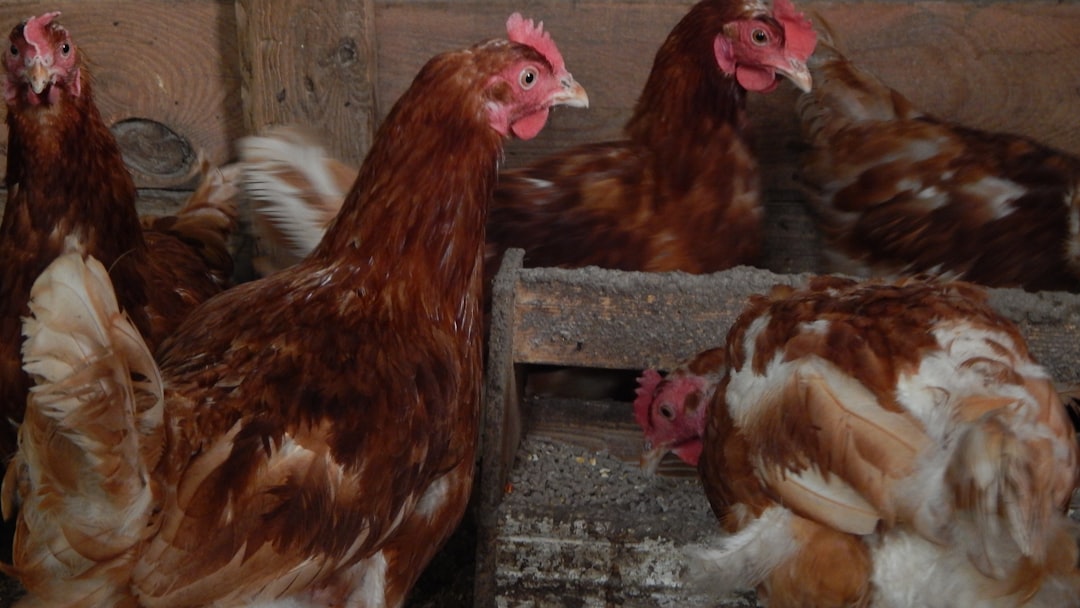
Thinking about getting into backyard chickens, or perhaps scaling up your existing flock for better egg yields? One of the biggest game-changers for happy, productive hens is a well-designed coop. It’s more than just a box; it’s their home, and a good home directly translates to more eggs and healthier birds. Let’s dive into what makes a poultry house truly great for maximizing egg production.
Understanding Why Design Matters So Much
You might think any old shed will do, but a thoughtfully designed poultry house is fundamental to your flock’s success. It’s not just about keeping them safe from predators, although that’s certainly a part of it. A well-designed coop contributes to egg production in several key ways.
Impact on Hen Health and Stress
Happy hens lay more eggs. It’s a simple truth. A cramped, poorly ventilated, or uncomfortable coop creates stress. Stress leads to lower immunity, susceptibility to disease, and a significant drop in egg-laying. Imagine living in a constantly stuffy, dark, and crowded room – you wouldn’t be very productive either. Proper design ensures adequate space, fresh air, and a consistent environment, all of which reduce stress and keep your hens in peak laying condition.
Direct Influence on Laying Habits
Hens are particular about where they lay their eggs. Clean, private, and accessible nesting boxes are crucial. If these conditions aren’t met, they might lay eggs in inconvenient or unsanitary spots, increasing breakage and contamination. A good design encourages consistent laying in designated areas, making egg collection easier and the eggs themselves cleaner.
Prevention of Disease and Parasites
Poor ventilation, dampness, and inadequate cleaning access are breeding grounds for bacteria, viruses, and parasites like mites and lice. A well-designed coop facilitates easy cleaning and provides an environment where pathogens struggle to thrive, keeping your flock healthier and laying consistently.
Picking the Perfect Spot for Your Coop
Before you even think about hammers and nails, the location of your poultry house is a critical first decision. This isn’t just about convenience; it significantly impacts the coop’s functionality and your flock’s well-being.
Sun Exposure and Shade Considerations
Think about the sun’s path throughout the day and across seasons. In most climates, some morning sun is beneficial for warmth and natural light, but strong, direct afternoon sun in summer can lead to overheating. A good location offers a balance, perhaps with natural shade from trees or buildings during the hottest parts of the day, or allows for strategic positioning of the coop’s openings to minimize direct summer sun.
Protection from Wind and Elements
Your coop needs shelter from harsh winds, especially during colder months. A location that is naturally protected by a windbreak (like a fence, building, or dense evergreen shrubs) can drastically reduce drafts and help maintain a more stable internal temperature, saving you on heating costs if you choose to provide supplemental warmth. Also consider drainage; you don’t want your coop sitting in a puddle after a rainstorm. Elevated ground is generally preferable.
Proximity to Utilities and Your Home
Consider the practicality. Do you need easy access to water for cleaning and refilling drinkers? How about electricity for lighting or automatic coop doors? Being reasonably close to these utilities can save a lot of hassle. Also, consider its proximity to your home. While you don’t want it right outside your bedroom window due to potential noise or odors, having it close enough for daily egg collection, health checks, and general monitoring is highly beneficial.
Designing the Inside for Peak Performance
The internal layout of your poultry house is where functionality truly comes into play. Every element needs to serve a purpose in promoting egg production and hen health.
Adequate Space Per Bird
Overcrowding is a surefire way to stress your hens and invite disease. A general rule of thumb for conventional breeds is about 3-4 square feet of indoor space per bird, and 8-10 square feet of outdoor run space per bird. For larger breeds or if they’re confined for longer periods, increase these numbers. More space means less competition, less pecking, and a calmer environment conducive to laying.
The Importance of Nesting Boxes
Nesting boxes are sacred spaces for your hens. You’ll typically need one 12×12 inch nesting box for every 4-5 hens. They should be slightly elevated, dark, quiet, and filled with clean, soft bedding like straw or pine shavings. Position them away from roosts to prevent droppings from soiling them. Easy access for egg collection from outside the coop is a major convenience.
Roosts and Perching Areas
Hens naturally want to perch at night. This gives them a sense of security from predators and keeps them off the ground. Provide at least 8-12 inches of roosting space per bird. Roosts should be sturdy, smooth (to prevent splinters), and placed higher than the nesting boxes. This encourages hens to sleep on the roosts and keep nesting boxes clean. A staggered design, rather than all at one height, can help accommodate more birds without direct droppings on those below.
Feeding and Watering Stations
Food and water should always be available and kept clean. Place feeders and waterers in a location that’s easy for you to access and refill, but away from areas where they might be easily contaminated by droppings. Consider elevated feeders and waterers to reduce bedding getting kicked into them. Multiple stations might be necessary for larger flocks to prevent competition.
Building Materials That Last
| Material | Durability | Maintenance |
|---|---|---|
| Brick | High | Low |
| Concrete | High | Low |
| Stone | Very High | Low |
| Metal | High | Low |
The materials you choose for your poultry house will impact its durability, insulation, and overall cost. It’s a balance between budget and functionality.
Durable and Easy-to-Clean Surfaces
The interior surfaces should be easy to clean and sanitize. Plywood or treated lumber for walls and floors are common choices, but consider adding a layer of linoleum or other non-porous material to the floor for even easier cleaning. Avoid rough, unfinished surfaces that can harbor parasites.
Insulation for Temperature Control
While chickens are quite hardy, extreme temperatures can impact egg production. In very cold climates, insulation in the walls and ceiling can help retain heat. In hot climates, insulation helps keep the coop cooler. Fiberglass, rigid foam boards, or even natural materials like straw bales can be effective. Just ensure any insulation is covered to prevent pecking and moisture damage.
Predator-Proofing Materials
This is non-negotiable. Your coop needs to be a fortress against predators like raccoons, foxes, and even small weasels. Use sturdy hardware cloth (1/2 inch or 1/4 inch welded wire mesh) for windows and vents, not chicken wire, which is easily torn. Bury a “skirt” of hardware cloth around the perimeter of the coop, extending at least 12-18 inches out and down, to deter digging predators. Strong latches on doors are also essential.
Creating a Healthy Environment with Air and Light

Ventilation and lighting are often overlooked but are absolutely vital for a productive flock.
Essential Ventilation Strategies
Good ventilation removes ammonia fumes, moisture, and stale air, all of which are detrimental to respiratory health and can lead to disease. It also helps regulate temperature. Vents should be positioned strategically to allow for airflow without creating direct drafts on the birds. High vents (near the roof) for hot air to escape and lower vents for fresh air intake work well. Consider adjustable vents to control airflow based on weather conditions. In larger coops, exhaust fans might be necessary.
Natural and Supplemental Lighting
Hens need about 14-16 hours of light per day to maintain consistent egg production. Natural light from windows or openings is great, but in winter, when daylight hours are shorter, supplemental artificial lighting can be beneficial. A simple low-wattage LED bulb on a timer can extend the “daylight” hours, encouraging continued laying. Avoid overly bright lights, which can stress birds.
Keeping it Clean and Tidy
Proper sanitation and waste management aren’t just about aesthetics; they are crucial for preventing disease and maintaining a healthy environment.
Regular Cleaning Routine
Develop a consistent cleaning schedule. Daily tasks might include checking and refilling food and water, collecting eggs, and spot-cleaning heavily soiled areas. Weekly tasks could involve cleaning out nesting boxes and replacing bedding. Monthly or quarterly, depending on your flock size and bedding method (deep litter vs. full clean-out), a thorough cleaning of the entire coop is necessary, including scrubbing surfaces and refreshing all bedding.
Waste Management Solutions
Chicken droppings, while a valuable fertilizer, need to be managed to prevent ammonia buildup and fly problems. The deep litter method, where layers of carbon-rich material (like wood shavings or straw) are added over time and allowed to compost in place, can be very effective, but requires careful management. Otherwise, regular removal and composting of waste are essential. Ensure your compost pile is far enough from the coop to avoid attracting pests.
Keeping a Watchful Eye on Your Flock
A well-designed coop sets the stage, but ongoing monitoring and maintenance are what keep the production line humming.
Daily Health Checks and Observation
Spend a few minutes each day observing your flock. Look for changes in behavior, appetite, feather condition, or signs of lameness. Check for pests like mites or lice. Early detection of issues can prevent them from escalating and affecting egg production.
Routine Maintenance of Coop Structures
Coops, like any building, require maintenance. Check for loose boards, damaged wire, or leaky roofs. Ensure latches are still secure. Regular upkeep prevents small problems from becoming large, expensive repairs and maintains the integrity of your predator-proofing. A well-maintained coop ensures a safe, comfortable, and productive home for your hens, which in turn means a steady supply of fresh, delicious eggs for you.
Discover more from Transville Agro
Subscribe to get the latest posts sent to your email.