Introduction
Poultry farming is a dynamic industry that demands meticulous management practices. One pivotal technique that ensures the well-being of poultry is debeaking. In this article, we delve into the intricacies of this important management practice, exploring its significance, methods, and impact on the poultry farming landscape.
Understanding Debeaking
What is Debeaking?
Debeaking, or beak trimming, is widely practiced in poultry farming. It involves removing a portion of the beak, typically the sharp tip, to prevent injurious pecking among birds. This humane process is crucial for maintaining a harmonious and healthy environment within poultry flocks.
Why Debeaking Matters
Promoting Bird Welfare
Debeaking is not merely a management strategy; it’s a compassionate approach to safeguarding the welfare of poultry. By preventing aggressive pecking, farmers ensure that birds live in a stress-free environment, minimizing injuries and enhancing overall well-being.
Reducing Cannibalism
Cannibalism is a serious concern in poultry farming, and debeaking serves as a preventive measure. The modified beaks deter aggressive behavior, mitigating the risk of cannibalistic tendencies within the flock.
Methods of Debeaking
Hot Blade Method
One common debeaking method involves using a hot blade to trim the beak. This quick and precise technique is performed at an early age, ensuring minimal discomfort for the birds.
Infrared Method
The infrared method is gaining popularity due to its efficiency. It uses infrared technology to cauterize the beak, providing a less invasive alternative to traditional debeaking methods.
Who Should Perform Beak Trimming?
It is important to note that not everyone can carry out the chicken debeaking exercise, even though it may appear simple. Only experienced individuals who are qualified to debeak should do it. You can consult a veterinarian, animal scientist, or well-trained personnel in your community.
If you are a backyard chicken farmer with less than 50 chickens, it is suggested that you should not use debeaks but rather opt for peepers. Peepers, also known as blinders, are devices fitted to, or through, the beaks of poultry. They are used to block the forward vision of the birds and help in controlling feather pecking, cannibalism, and sometimes egg-eating and vision of the birds and help in controlling feather pecking, cannibalism, and sometimes egg-eating.
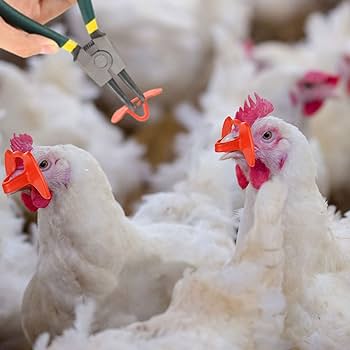
Equipment for Debeaking
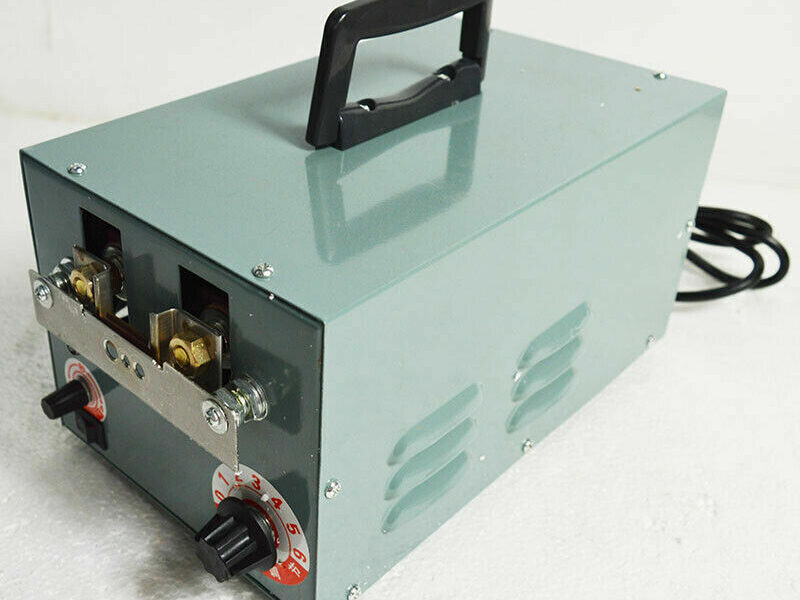
Automatic Debeaking Machine
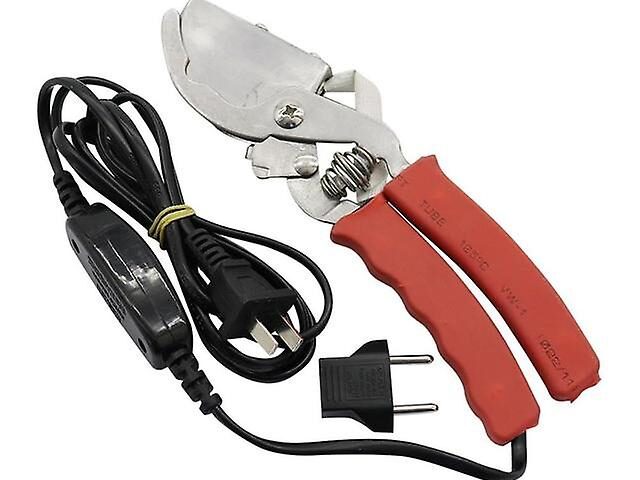
Hand-Held Electric Debeaker.
The Electric Debeaking Machine makes trimming the beaks of chickens faster and easier. Two types of electric debeaking machines are automatic and semi-automatic poultry beak trimming.
The Electric Handheld Debeaker also uses electricity to heat the debeaking blade, sterilize the debeaker, and burn the beak bud to limit regrowth and reduce blood loss.
Pre-Debeaking Care
If your flock of birds is currently experiencing illness, undergoing vaccine reactions, or has recently been through a stressful process, it is important to avoid debeaking them. This procedure can be quite traumatic for birds, and when their health is already compromised, it can further weaken their immune systems and put them at greater risk of infection. Instead, focus on providing your birds with a comfortable, stress-free environment that promotes healing and well-being. Only consider debeaking after consulting a veterinarian and ensuring your flock is healthy.
Post-Debeaking Care
After the debeaking process, providing appropriate care is essential. Adequate housing, nutrition, and monitoring contribute to successfully integrating birds with modified beaks.
Perplexity in Debeaking Practices
Striking the Right Balance
It is crucial to balance the necessity of debeaking and its potential impacts. Striking the right balance ensures that poultry welfare is prioritized without compromising the natural behaviors of the birds.
Adapting to Industry Trends
Poultry management is dynamic, and farmers must adapt to industry trends. Debeaking, as a management practice, exemplifies the industry’s ability to evolve and embrace humane alternatives.
Exploring Debeaking Specifics
Age Considerations
The timing of debeaking is a critical factor. Performing the procedure at the right age ensures optimal results while minimizing stress for the birds.
Conclusion
In conclusion, debeaking is not just a management practice; it’s a nuanced approach to balancing poultry welfare with the industry’s demands. Farmers can make informed decisions that benefit their flocks and the poultry business by understanding the methods, significance, and implications of debeaking.
FAQs About Debeaking in Poultry
- Is debeaking painful for the birds?
- Debeaking, when done using humane methods, minimizes pain and discomfort for the birds.
- At what age should debeaking be performed?
- Debeaking is most effective early, typically within one week (7-9 days) and a few weeks (8-10 weeks).
- How does debeaking prevent cannibalism?
- Modified beaks deter aggressive pecking, reducing the risk of cannibalistic behavior within the flock.
- Are there alternatives to traditional debeaking methods?
- Yes, alternatives such as the infrared method provide less invasive options for beak trimming.
- What post-debeaking care is essential for poultry?
- Post-debeaking care includes ensuring proper housing, nutrition, and monitoring to support the birds’ well-being.
- Give birds vitamin K-rich multivitamins before and after debeaking for fast healing in case of injury. Administer two days before and after the process.
Discover more from Transville Agro
Subscribe to get the latest posts sent to your email.