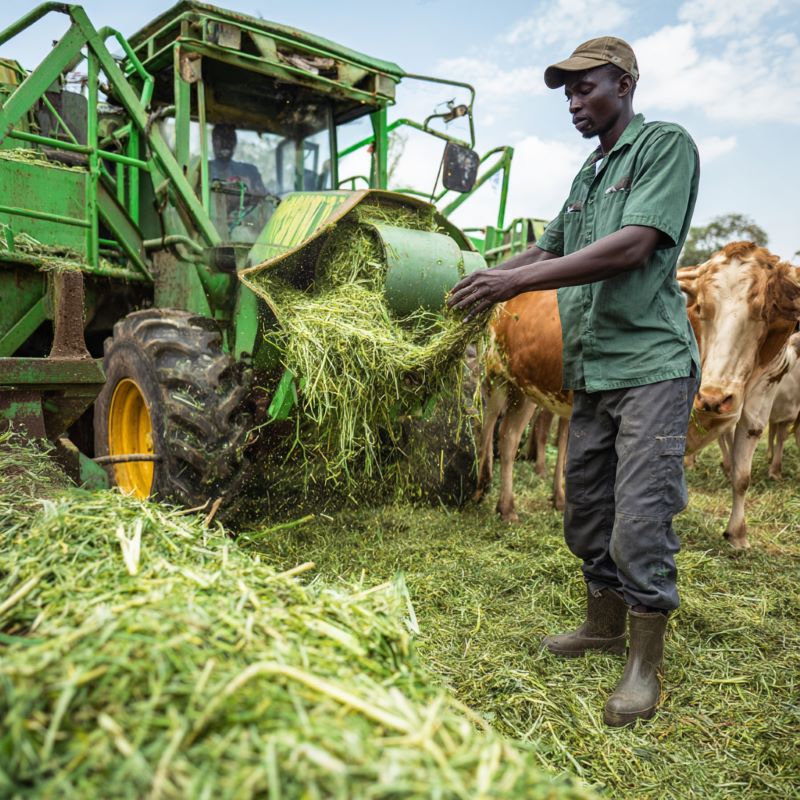
Making the Most of Your Grass Feed for Livestock By Grass Shredding
Most Nigerian livestock farmers know that what animals eat affects what they produce, like milk, weight gain, and overall health. But here’s something you might not know: how you prepare grass before feeding can matter more than what type of grass you use. While many farmers focus on finding the best pasture or buying expensive feed supplements, research shows that simply changing how you cut up ordinary grass can improve digestion by up to 25% and significantly lower your feed costs.
The link between grass size and animal performance isn’t just theory – you can see it in your milk production and when you weigh your animals. When grass is properly shredded, it helps animals digest nutrients better while creating less waste and even reducing harmful methane gas. For farmers looking to improve without incurring high costs, understanding the benefits of Grass shredding could be a practical solution to boost their profits.
Why Shredded Grass Helps Animals Digest Better
When livestock eat mechanically processed grass instead of regular cut grass, their digestion undergoes significant changes. Cows, sheep, and goats digest food through a process where tiny microbes break down plant material. When grass is shredded, it creates smaller, more uniform pieces that have more surface area for these microbes to work on. This allows the microbes to break down the grass fibers more efficiently, speeding up digestion and releasing more nutrients.
Research shows that shorter grass pieces increase feed intake and digestibility in dairy cows. The best size range is typically between 10-15mm for dairy cattle, though this varies based on the grass type and animal. Pieces smaller than 8mm can be a problem for cow health by reducing cud chewing and saliva production, while pieces larger than 20mm don’t digest as well because they’re too big.
The reason this works is that shredded grass creates better conditions for the bacteria that break down plant cell walls. These bacteria need specific conditions to work well, which are improved when grass is properly processed. The increased bacterial activity directly leads to more energy for the animals, which improves milk and meat production.
Better Fermentation from Field to Storage
Silage quality (preserved grass feed) depends on creating the right conditions during fermentation, and shredding grass plays a key role in this process. When grass is shredded before storage, it breaks down plant cell walls and releases natural sugars. These sugars feed beneficial bacteria that create lactic acid, which preserves the feed. The improved sugar access speeds up fermentation, reducing the risk of spoilage.
Shredding improves initial density and fermentation quality of silage while reducing weight loss during storage. The increased packing density creates better conditions by keeping out oxygen, which is essential for proper fermentation. Better-packed silage also stays fresh longer when exposed to air during feeding. Reducing weight loss during fermentation means saving money, as farmers keep more of their original feed while getting better nutrition.
Moisture spreads more evenly in shredded silage, preventing dry spots that can cause spoilage. The shredding process redistributes moisture throughout the feed, creating consistent fermentation conditions. This consistency means the silage maintains the right acidity levels better than whole-plant silage. The economic benefits go beyond just preserving weight; better fermentation quality reduces the need for expensive additives that farmers often use to fix poor-quality silage.
Fermented feed helps farmers preserve grass nutrients longer and improve digestibility, with the fermentation process working better when the grass is chopped or shredded first.
Reducing Environmental Impact by Managing Methane
Methane gas from livestock is a significant environmental concern, but proper feed processing offers practical solutions. The connection between grass particle size and methane production works through complex digestive processes that can be improved through proper feed preparation. When grass is shredded to the right size, the improved digestibility reduces undigested material that would otherwise produce methane gas in the animal’s digestive system. Research shows that shredding grass-clover before storage reduced methane production without negatively affecting digestibility.
The science behind methane reduction involves changes in the duration of the feed’s stay in the digestive system. Smaller, more digestible particles spend less time in the stomach, reducing the opportunity for methane-producing microbes to create gas. Additionally, improved feed efficiency means that animals require less total feed to produce the same amount of milk or meat, resulting in environmental benefits through reduced land use and resource consumption.
Environmental impact calculations must consider both direct and indirect benefits of improved feed use. Enhanced digestibility through grass shredding reduces waste production, as more of the consumed feed converts into useful animal products rather than manure. This efficiency improvement contributes to sustainable farming practices by maximizing production while minimizing resource inputs. Using grass shredding technology supports Nigeria’s agricultural sustainability goals while providing economic benefits through improved feed conversion and reduced feed costs.
Increasing Feed Intake and Production Performance
Animals show measurable improvements in how much they eat when given properly processed grass compared to traditionally prepared feed. The factors influenced by shredding include texture consistency, less dust, and better mixing with other feed components. Animals naturally prefer feeds that are easier to eat and digest, leading to increased voluntary intake when grass is processed to optimal sizes. This preference directly leads to improved daily weight gains in beef cattle and better milk production in dairy operations.
Studies show that livestock that eat shredded grass have more consistent eating patterns throughout the day, reducing the ups and downs that can stress digestive systems. The uniform particle size ensures that each bite contains a consistent nutrient mix, preventing selective eating that can lead to nutritional imbalances. Consistent quality across different grass varieties becomes possible through standardized processing methods, allowing farmers to maintain predictable animal performance regardless of seasonal changes in forage quality.
The economic benefits of increased feed intake extend beyond simple production increases to include improved feed conversion efficiency and reduced supplement requirements. When animals eat more of their base forage diet, the need for expensive protein supplements and energy concentrates decreases. Cost-benefit analyses consistently show positive returns on grass shredder investments, with payback periods typically ranging from 12-24 months, depending on herd size and current feed costs. These performance improvements position farmers for sustainable growth while reducing costs through optimized feed use.
Smart Equipment Investment for Maximum Returns
Technical specifications for Grass shredding equipment must match your specific farm needs to achieve the best return on investment. Power requirements vary based on processing needs, with small-scale operations typically requiring 5-15 horsepower units while larger commercial operations may need 25-50 horsepower systems. The relationship between cutting mechanism design and particle size consistency affects both equipment lifespan and feed quality, making proper equipment selection crucial for long-term success.
Maintenance directly impacts equipment performance and operating costs. Regular blade sharpening ensures consistent cutting quality while preventing excessive power consumption that can increase expenses. Seasonal usage strategies maximize equipment value by scheduling intensive processing during peak grass growth seasons, allowing farmers to process and store high-quality silage when grass nutritional content is best. Modern tools designed for agricultural processing include features that reduce maintenance needs while improving processing efficiency.
Key considerations for equipment investment include:
- Processing capacity matching current and future herd sizes
- Power source compatibility with existing farm infrastructure
- Blade options for different grass types and cutting lengths
- Mobility features for field processing versus stationary operation
- Integration with existing feed storage and handling systems
- Warranty coverage and local service support availability
Scalability becomes important as farm operations grow, requiring equipment that can handle increased processing needs without complete replacement. Technology compatibility with existing feed processing systems ensures smooth integration into established workflows. Quality control measures for consistent particle size require regular calibration and monitoring to maintain processing standards across different grass varieties and moisture conditions, ensuring consistent animal performance benefits throughout the season.
Conclusion: Improving Your Livestock Operation Through Better Feed Processing
The evidence is clear: grass shredding isn’t just another farming technique – it’s a practical way to increase profits that addresses the main challenges facing Nigerian livestock farmers today. From improving digestibility by up to 25% to reducing methane emissions and getting better feed conversion, proper grass processing delivers measurable results that directly impact your bottom line. The science shows that strategic feed preparation creates optimal digestion conditions, enhances fermentation quality, and increases feed intake, while the economics show positive returns within 12-24 months of equipment investment.
For farmers ready to bridge the gap between current performance and profit goals, the choice is straightforward: continue with traditional methods that leave valuable nutrients locked away in poorly processed feed, or embrace the benefits of grass shredding with chaff cutter machines. The most successful livestock operations won’t be those with the most expensive pastures or premium supplements – they’ll be the ones that understand how to maximize what they already have through strategic processing decisions that transform ordinary grass into extraordinary feed.
Discover more from Transville Agro
Subscribe to get the latest posts sent to your email.