
1. Introduction
Soil Quality Analysis is like a “health checkup” for your soil. It tells you what’s in your soil and how well it can support your crops. Here’s what it looks like in simple terms:
- Nutrients: Are there enough “food” for plants (like nitrogen, phosphorus, potassium)?
- PH Level: Is your soil too acidic (sour) or too alkaline (sweet) for crops to absorb nutrients?
- Organic Matter: Does your soil have enough “life” (like compost) to stay fertile and hold water?
- Texture: Is it sandy (dries fast), clayey (holds water), or loamy (ideal mix)?
- Contaminants: Are there harmful chemicals or salts hurting your soil?
How can this help Farmers?
Prevents problems like poor drainage or stunted plants.
It helps you decide what fertilizers or compost to use (no guesswork!).
Saves money by avoiding overusing chemicals.
Improves crop growth and yields.
For farmers in Nigeria, accessing soil quality analysis is essential for successful crop production. Healthy soil supports plant growth, retains water, and provides vital nutrients. This guide offers practical steps to assess and enhance soil quality, ensuring better yields and sustainable farming practices.
2. Understanding Soil Quality
Soil quality refers to the soil’s ability to function effectively for plant growth, water filtration, and as a habitat for organisms. Key indicators include:
- Soil Texture: Proportions of sand, silt, and clay.
- Soil Structure: Arrangement of soil particles into aggregates.
- pH Level: Acidity or alkalinity affecting nutrient availability.
- Organic Matter: Decomposed plant and animal residues enhance fertility.
- Nutrient Content: Levels of essential elements like nitrogen, phosphorus, and potassium.
Recognizing these factors helps in making informed decisions about crop selection and soil management.
3. Common Soil Issues in Nigeria
Nigerian farmers often face several soil-related challenges:
- Low Fertility: Due to nutrient depletion from continuous cropping without replenishment.
- Soil Erosion: Caused by deforestation and improper land use.
- Acidic Soils: Particularly in high rainfall areas, leading to nutrient leaching.
- Compaction: From heavy machinery or livestock, reducing water infiltration.
- Salinity: In arid regions, excessive salts can accumulate, harming crops.
Addressing these issues requires tailored management practices.
4. Assessing Soil Quality
Evaluating your soil involves both simple observations and scientific testing:
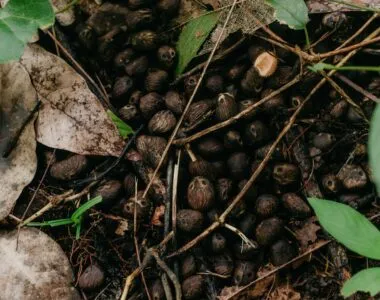
- Visual Inspection: Check for color, structure, and presence of organisms.
- Soil Testing: Collect samples and analyze for pH, nutrient levels, and organic matter.
- Crop Performance: Monitor plant health and yield as indicators of soil condition.
Regular assessment helps in the early detection of problems and timely interventions.
5. Soil Sampling Techniques
Accurate soil testing begins with proper sampling:
- Timing: Sample during the dry season for consistent results.
- Depth: Collect from 0-15 cm for most crops; deeper for tree crops.
- Tools: Use a clean auger or spade and a plastic bucket.
- Procedure: Take multiple samples from different spots, mix thoroughly, and send a representative sample to the lab.
Label samples clearly with location, depth, and date.
6. Interpreting Soil Test Results
Understanding test results enables informed decisions:
- PH Level: The Ideal range is 6.0 to 7.5 for most crops.
- Nutrient Levels: Assess nitrogen, phosphorus, potassium, and micronutrients.
- Organic Matter: Higher content improves soil structure and fertility.
7. Enhancing Soil Quality
Improvement strategies include
- Organic Amendments: Apply compost or manure to boost organic matter.
- Cover Cropping: Plant legumes to fix nitrogen and protect the soil.
- Crop Rotation: Alternate crops to prevent nutrient depletion.
- Lime Application: Use lime to correct soil acidity.
- Erosion Control: Implement terraces or plant barriers on slopes.
These practices contribute to long-term soil health and productivity.
8. Utilizing GPS Technology in Soil Analysis
Modern tools like GPS enhance soil assessment:
- Precision Mapping: Identify variability within fields for targeted management.
- Data Collection: Record exact locations of samples for future reference.
- Decision Support: Integrate with software to plan fertilizer application and irrigation.
Adopting technology can lead to more efficient and sustainable farming.
9. Crop Monitoring for Soil Health
Observing crops provides insights into soil conditions:
- Leaf Color: Yellowing may indicate nitrogen deficiency.
- Growth Patterns: Stunted growth can signal compaction or poor fertility.
- Pest and Disease Incidence: Healthy soil supports plant resilience.
Regular monitoring allows for timely corrective measures.
10. Accessing Soil Testing Services in Nigeria
Several institutions offer soil analysis services:
- Transville Agro: Provides comprehensive Soil Testing and advisory services.
- IITA: Offers research-based soil assessments.
- Local Agricultural Extension Offices: Can assist with sample collection and interpretation.
Engaging with these services ensures accurate information for soil management.
Frequently Asked Questions (FAQs)
Q1: How often should I test my soil?
A: It’s advisable to test your soil every 2-3 years or before planting a new crop.
Q2: Can I improve soil fertility without chemical fertilizers?
A: Yes, using organic matter like compost and practicing crop rotation can enhance fertility.
Q3: What crops are best for improving soil health?
A: Leguminous crops like cowpea and groundnut fix nitrogen, enriching the soil.
Q4: How does soil pH affect crop growth?
A: Soil pH influences nutrient availability; extreme pH levels can hinder plant uptake.
Q5: Is GPS technology affordable for small-scale farmers?
A: Costs are now affordable with Transville Agro, which offers support with GPS-based assessments.
Q6: Where can I get assistance with soil testing?
A: Contact us at Transville Agro or research institutions like IITA for guidance.
By regularly assessing and improving your soil quality, you lay the foundation for healthier crops and increased yields. Implementing the practices outlined in this guide will contribute to sustainable and profitable farming in Nigeria.
Discover more from Transville Agro
Subscribe to get the latest posts sent to your email.