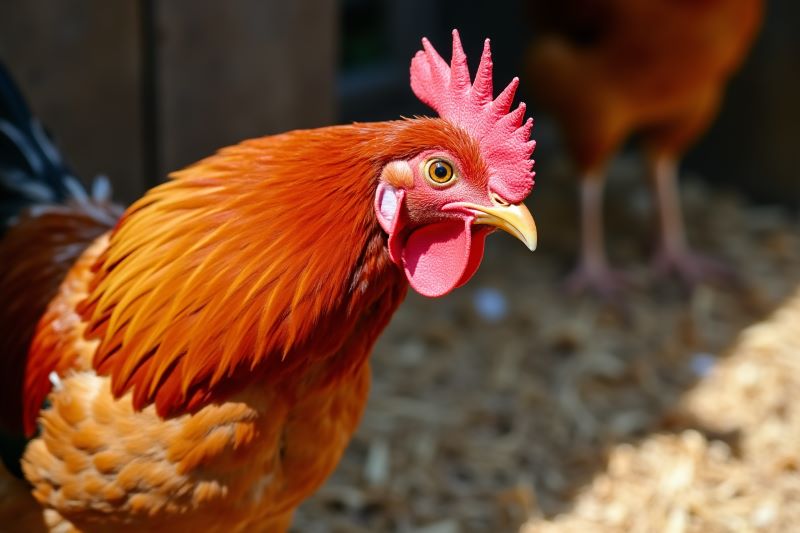
The arrival of the rainy season, while often a welcome respite from the heat, presents a unique set of challenges for chicken keepers. The increased moisture and dampness create an ideal breeding ground for pathogens, making Poultry more susceptible to a range of health issues. Understanding these risks and implementing proactive strategies are paramount to ensuring your flock remains healthy and productive through the wet months. From respiratory infections to parasitic infestations, the rainy season demands a heightened awareness of your chickens’ well-being.
Understanding the Impact of Rainy Season on Poultry Health
The transformation of the environment during the rainy season profoundly affects chickens. Elevated humidity levels can stress birds, particularly those housed in poorly ventilated coops. Damp bedding and litter promote the growth of mold and bacteria, which can lead to respiratory problems and skin infections. Accumulated rainwater in the coop or runs can become a breeding ground for disease-carrying insects like mosquitoes and flies, as well as internal parasites. Furthermore, the constant dampness can weaken a chicken’s immune system, making it less equipped to fight off infections. Extreme weather conditions, such as heavy downpours and strong winds, can also cause stress and expose chickens to chilling temperatures, particularly chicks and older birds. The reduced access to dry foraging areas during the rain means chickens may spend more time confined, which can exacerbate stress and competition within the flock. The overall damp and cool environment is a significant contributor to the increased prevalence of diseases during this period.
Respiratory Stress and Infections
Increased Parasitic Load
Susceptibility to Fungal Infections
Recognizing Signs of Common Diseases in Chickens During the Rainy Season
Vigilance is key when monitoring your flock for signs of illness. Early detection is often the difference between a minor ailment and a serious outbreak. During the rainy season, pay close attention to subtle changes in your chickens’ behavior, appearance, and droppings. Lethargy, ruffled feathers, and a reluctance to move are often the first indicators that something is amiss. Loss of appetite and decreased egg production are also common symptoms that should not be ignored.
Respiratory Symptoms
Digestive Disturbances
Skin and Feather Issues
Behavioral Changes
Preventative Measures to Keep Chickens Healthy During Wet Weather
Proactive measures are the cornerstone of maintaining a healthy flock throughout the rainy season. Investing time and resources in preventative care will significantly reduce the likelihood of disease outbreaks and the need for costly treatments.
Pen and Run Management
The coop should be well-maintained and free from leaks. Ensure adequate ventilation without creating drafts, allowing fresh air to circulate while keeping the interior dry. Regular cleaning and disinfection are crucial to eliminate pathogens. Removing wet bedding and replacing it with fresh, dry litter, such as pine shavings, is a top priority. Consider raising the coop off the ground to prevent flooding and improve airflow. The run area also needs attention. If possible, provide covered sections in the run to offer shelter from rain, allowing chickens to still exercise and forage even during wet spells. Avoid overstocking the coop and run, as overcrowding significantly increases stress and the spread of disease. Regularly inspect the fencing and structure for any damage that could let in excess moisture or predators.
Bedding Management
Ventilation Strategies
Predator Proofing
Biosecurity Protocols
Implementing strict biosecurity measures is vital to prevent the introduction and spread of diseases. This includes limiting access to your coop and run to authorized personnel only. When introducing new birds to your flock, always quarantine them for a minimum of 30 days in a separate area. Observe them closely for any signs of illness before integrating them with your existing chickens. Maintain a strict cleaning protocol for footwear, clothing, and equipment that comes into contact with your flock or other poultry. This helps prevent the transfer of pathogens between different flocks or by external sources.
Quarantine Procedures
Limiting Access
Equipment and Footwear Hygiene
Vaccination and Deworming
Consult with your veterinarian to determine an appropriate vaccination schedule for your flock. Vaccinations can protect against a range of common and serious poultry diseases. Similarly, regular deworming, especially during periods when parasite transmission is high, is essential. Use veterinarian-approved anthelmintics and follow the dosage instructions carefully. This will help maintain a healthy gut and prevent the debilitating effects of internal parasites.
Vaccination Schedules
Deworming Regimens
Effective Treatment Options for Common Rainy Season Chicken Diseases
| Disease | Treatment Options |
|---|---|
| Newcastle Disease | Vaccination, supportive care, and antibiotics |
| Infectious Bronchitis | Vaccination, supportive care, and antibiotics |
| Fowl Cholera | Antibiotics, isolation, disinfection |
| Marek’s Disease | No specific treatment, focus on prevention through vaccination |
| Coccidiosis | Anticoccidial drugs, clean environment, vaccination |
Despite best efforts, some chickens may fall ill. Prompt and appropriate treatment is crucial for recovery and to prevent the spread of infection to other birds. It is essential to identify the specific disease to administer the correct treatment.
Respiratory Illnesses
For bacterial respiratory infections, antibiotics prescribed by a veterinarian are often necessary. These can be administered in feed, water, or through injection. Supportive care, such as providing a warm, dry environment and ensuring access to clean water, is also vital. Natural remedies like adding apple cider vinegar to drinking water can offer some immune support.
Antibiotic Therapy
Supportive Care
Homemade Remedies
Intestinal Parasites
Deworming is the primary treatment for intestinal parasites. As mentioned, using veterinarian-recommended medications is crucial. Following a deworming schedule, particularly after periods of high risk for parasite infestation, helps keep the parasite load low. Ensuring clean water and feed sources also minimizes re-infection.
Anthelmintic Medication
Environmental Control
Fungal Infections
Fungal infections, such as Aspergillus, often require antifungal medications. These can be challenging to treat, and early intervention is key. Improving ventilation within the coop to reduce humidity and mold growth is a critical part of the treatment and recovery process. Removing and replacing contaminated bedding is also paramount.
Antifungal Medications
Mold Remediation
Bacterial Skin Infections
Bacterial skin infections can be treated with topical antibiotics or disinfectants. Keeping the affected area clean and dry will aid in healing. Severe infections may require systemic antibiotics. It is important to prevent chickens from picking at wounds, which can exacerbate the infection and delay healing.
Topical Treatments
Wound Care
Importance of Proper Shelter and Hygiene for Chicken Health in the Rainy Season

The role of a well-maintained coop and consistent hygiene practices cannot be overstated during the rainy season. These are not merely tasks but fundamental pillars of disease prevention.
Shelter as a Sanctuary
A dry, draft-free, and well-ventilated coop acts as a sanctuary for chickens, shielding them from the harsh elements while facilitating comfort and reducing stress. When the rain is relentless, the coop becomes their primary abode, and its condition directly impacts their health. Leaky roofs, drafty walls, and damp flooring create an environment where pathogens thrive, and birds are more vulnerable to chilling and stress. Providing adequate space for each bird within the coop also prevents overcrowding, a significant contributor to disease transmission and behavioral issues. Ensuring the coop is raised off the ground can prevent water accumulation and the associated dampness and pest problems.
Maintaining a Dry Interior
Ensuring Adequate Space
Elevated Pen Design
Hygiene as a Disease Barrier
Regular and thorough cleaning of the coop and run, along with the frequent changing of bedding, forms a critical barrier against disease. Wet litter is a breeding ground for bacteria, fungi, and parasites. Removing soiled bedding and replacing it with fresh, dry material significantly reduces the risk of infection. Disinfecting the coop periodically, especially after treating sick birds or during particularly damp periods, further sanitizes the environment. This proactive approach minimizes the exposure of your flock to disease-causing agents, allowing their immune systems to function optimally.
Frequent Litter Replacement
Disinfection Protocols
Cleaning Schedules
Nutritional Considerations for Supporting Chicken Health in Wet Weather
Adequate nutrition plays a vital role in bolstering the immune system and ensuring chickens are well-equipped to combat the challenges of the rainy season. While their diet might remain largely the same, some minor adjustments can be beneficial.
Immune-Boosting Nutrients
Ensuring a balanced diet rich in vitamins and minerals is fundamental. Protein, in particular, is crucial for immune function and tissue repair. If your flock’s diet relies heavily on foraging, supplementing with a high-quality layer feed during the rainy season can ensure they receive all the necessary nutrients. Consider adding ingredients known for their immune-boosting properties, such as garlic or probiotics, to their feed or water, under the guidance of a poultry expert.
Protein and Vitamins
Probiotic Supplements
Access to Clean Water
While seemingly simple, access to clean, fresh water is paramount. During the rainy season, water sources can become contaminated. Regularly clean and refill waterers to prevent the growth of bacteria and algae. If using open water sources, consider covering them to keep them cleaner. Dehydration, even in cooler weather, can stress birds and compromise their immune defenses.
Waterer Hygiene
Preventing Contamination
Balancing Diet During Confinement
When chickens are confined to the coop for extended periods due to rain, their foraging opportunities are limited. This can lead to imbalances in their diet. Ensure their feed is formulated to meet their nutritional needs, and if they are not free-ranging, provide supplementary greens and grit to aid digestion. Excessively wet or moldy feed should never be offered, as it can contribute to illness.
Supplementing Greens
Providing Grit
Consulting a Veterinarian: When to Seek Professional Help for Rainy Season Chicken Health Issues
While vigilance and preventative measures are essential, there are times when professional veterinary advice is indispensable. Recognizing when to seek help can save your flock from suffering and prevent widespread illness.
Persistent or Worsening Symptoms
If you observe any of the signs of illness mentioned earlier, and they do not improve with home care or supportive measures within 24-48 hours, it is time to contact a veterinarian. This is especially true if symptoms are severe, such as difficulty breathing, bloody droppings, or profound lethargy.
Recognizing Warning Signs
Timeframe for Intervention
Suspected Contagious Diseases
If you suspect a contagious disease is spreading rapidly through your flock, immediate veterinary attention is crucial. Diseases like Newcastle disease or Avian Influenza, while rare, can be devastating and require prompt reporting and diagnosis. A veterinarian can quickly identify the pathogen and advise on containment and treatment strategies to prevent further spread. They can also guide you on necessary biosecurity protocols during an outbreak.
Identifying Highly Pathogenic Indicators
Outbreak Management
Unusual or Unexplained Illnesses
Sometimes, chickens can present with symptoms that are difficult to diagnose or do not fit common disease profiles. In such cases, a veterinarian’s expertise is invaluable. They have the diagnostic tools and knowledge to identify even rare or complex illnesses. Early diagnosis by a professional can lead to more effective treatment and a better prognosis for your flock.
Diagnostic Processes
Specialized Knowledge
The rainy season presents a unique challenge for chicken health, but with a comprehensive understanding of the risks, diligent preventative practices, and prompt veterinary consultation when needed, you can ensure your flock remains healthy, happy, and productive throughout the wet months.
Discover more from Transville Agro
Subscribe to get the latest posts sent to your email.