Rabbit Farming 101
Embarking on the journey of rabbitry can be an incredibly rewarding endeavor, offering the potential for a sustainable source of income and a connection to nature. Whether your motivations stem from a desire for self-sufficiency, a passion for animal husbandry, or a business aspiration, understanding the fundamentals and anticipating common challenges is paramount for success. This comprehensive guide aims to equip aspiring rabbit farmers with the knowledge to navigate the initial stages smoothly and establish a robust and profitable operation.
The allure of rabbit farming often lies in the perceived simplicity of raising these prolific creatures. However, a truly successful operation requires a deeper understanding of their specific needs and the principles of responsible husbandry. Getting started correctly mitigates numerous potential pitfalls, paving the way for a more enjoyable and profitable experience.
Choosing Your Breed Wisely
The first crucial decision for any budding rabbit farmer is selecting breeds. Not all rabbits are created equal when it comes to farming. Consider your primary goal: meat production, fur, pet sales, or laboratory research. Breeds such as New Zealand White and Californian are renowned for their rapid growth and excellent meat yields, making them popular choices for commercial meat production. For fur, breeds such as Rex and Chinchilla offer sought-after pelts. If your focus is on pets, smaller, docile breeds like Netherland Dwarfs or Holland Lops might be more suitable. Research the characteristics of different breeds, including their temperament, growth rates, litter sizes, and disease susceptibility, to make an informed choice that aligns with your objectives.
Essential Housing and Environment
Providing adequate and appropriate housing is a cornerstone of successful rabbit farming. Rabbits are sensitive creatures, and their living conditions directly impact their health, well-being, and productivity. Overcrowded or poorly ventilated hutches can lead to stress, disease transmission, and ammonia buildup, all detrimental to your rabbits.
Designing Safe and Comfortable Hutches
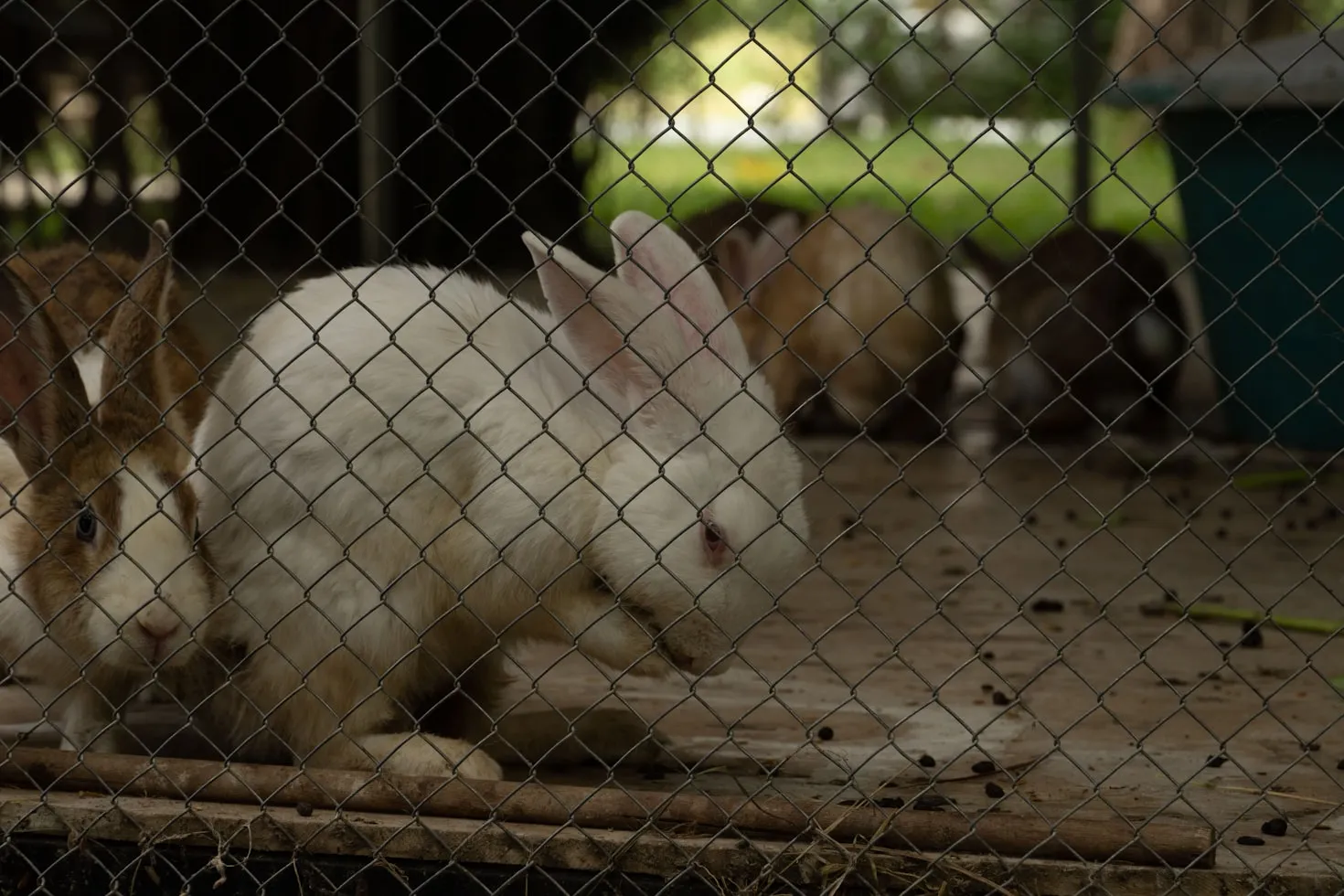
Hutches should be predator-proof, allowing for ample ventilation without creating drafts. The size of the hutch is critical; it must be large enough for rabbits to stand up fully, stretch out, and move around comfortably. Inadequate space can lead to behavioral issues and physical ailments. For breeding does, a portion of the hutch should be dedicated to a nesting box, providing a secure and private space for them to give birth and raise their young. Outdoor hutches should be protected from extreme weather conditions, offering shade from the sun and shelter from rain and wind. Indoor rabbitries require careful consideration of temperature control and airflow.
Maintaining Optimal Environmental Conditions
Temperature regulation is vital. Rabbits can tolerate a range of temperatures, but extreme heat or cold can be fatal. During hot weather, ensure access to fresh water and provide shade. In colder climates, insulation and protection from drafts become paramount. Cleanliness is non-negotiable. Regular cleaning of hutches and bedding material helps prevent the buildup of parasites and disease-causing pathogens. Ammonia from urine can irritate a rabbit’s respiratory system, so frequent removal of soiled litter is essential.
Nutrition: Fueling Healthy Growth
A well-balanced diet is fundamental to the health, growth, and reproductive success of your rabbits. Rabbits are herbivores with a specialized digestive system, and their dietary needs differ significantly from those of other livestock. Feeding them improperly is a common pitfall that can lead to a host of health problems.
The Importance of High-Quality Hay
Hay is the cornerstone of a rabbit’s diet. It provides essential fiber, which is crucial for their digestive health and helps wear down their continuously growing teeth. Alfalfa hay is often recommended for young, growing rabbits and pregnant or lactating does due to its higher protein and calcium content. Timothy hay is a good all-around choice for adult rabbits, providing sufficient fiber with a lower protein and calcium level. Always ensure hay is fresh, clean, and free from mold or dust.
Pellets and Supplements: Balancing the Diet
Commercial rabbit pellets should be fed in moderation as a supplement to hay, not as the primary food source. Choose a high-quality pellet specifically formulated for rabbits, with a balanced protein, fiber, and vitamin/mineral content. Avoid pellets with added seeds, nuts, or colored pieces, as these can be unhealthy. Fresh, clean water should be available at all times. While some leafy greens and vegetables can be offered as treats, they should be introduced gradually and in small quantities to avoid digestive upset. It is important to research which vegetables are safe for rabbits.
Even with good intentions, new farmers often stumble into common mistakes that can thwart their efforts. Recognizing and actively avoiding these pitfalls is crucial for building a sustainable and profitable rabbit farming operation.
Health and Disease Management: Vigilance is Key
Rabbits are susceptible to various diseases, and a proactive approach to health and disease management is essential. Neglecting to identify and address health issues promptly can lead to significant losses.
Recognizing Signs of Illness
Regular observation of your rabbits is the first line of defense. Any changes in their behavior, appetite, droppings, or physical appearance should be noted. Lethargy, loss of appetite, ruffled fur, nasal discharge, sneezing, coughing, diarrhea, or blood in the urine are all potential signs of illness. Understanding the typical behavior of healthy rabbits will help you identify deviations more quickly.
Implementing Biosecurity Measures
Preventing diseases from entering your farm is as important as treating them. Strict biosecurity measures are vital. This includes quarantining new rabbits before introducing them to your existing stock, maintaining a clean environment, and limiting visitor access to your rabbitry. If you handle multiple groups of rabbits, consider using separate equipment for each group or thoroughly disinfecting shared tools.
Seeking Veterinary Care Promptly
Don’t hesitate to consult a veterinarian experienced with rabbits if you suspect a health issue. Early intervention often leads to better outcomes and can prevent the spread of disease within your herd. Educate yourself on common rabbit diseases and their symptoms, but rely on professional veterinary advice for diagnosis and treatment.
Breeding and Reproduction Challenges
The prolific nature of rabbits can be a double-edged sword. While it allows for rapid herd growth, improper breeding practices can lead to health issues for does and kits and inefficient production.
Understanding Doe and Buck Management
Selecting healthy and well-tempered breeding stock is paramount. Avoid breeding rabbits with known genetic defects or those that are overly aggressive or timid. Proper nutrition and housing for both does and bucks are crucial for successful reproduction. Does need a safe and private nesting box to give birth. Bucks should be housed separately to prevent fighting and stress.
Managing Litters Effectively
Once kits are born, proper management is essential for their survival. The doe generally cares for her young, but observing the litter for signs of neglect or cannibalism is important. Ensure the doe has adequate feed and water, especially during lactation. Some farmers practice early weaning or fostering of kits to maximize litter survival rates, but this requires careful attention to detail and appropriate procedures. Understanding the optimal weaning age for the breeds you are raising is also important for a smooth transition.
Record Keeping: The Unsung Hero of Profitability
Many aspiring farmers overlook the importance of meticulous record keeping, yet it is a critical element in understanding your operation’s strengths and weaknesses, and ultimately, its profitability.
Tracking Births, Deaths, and Sales
Detailed records of every rabbit on your farm are invaluable. This includes birth dates, parentage, health treatments, vaccinations, sales, and deaths. These records allow you to track the productivity of your breeding stock, identify trends in disease incidence, and manage your inventory effectively. Without this data, making informed decisions about breeding, culling, and marketing becomes difficult.
Monitoring Feed Consumption and Costs
Understanding how much your rabbits are eating and the cost of their feed is essential for financial planning and profit maximization. Tracking feed consumption per rabbit or per group can help you identify inefficiencies and optimize feeding strategies. This data is crucial for calculating your cost of production and setting competitive prices for your products.
Moving beyond simply avoiding pitfalls, implementing best practices will elevate your rabbit farming operation from adequate to exceptional. These are the strategies that will contribute to healthier animals, higher yields, and a more sustainable and profitable enterprise.
Proactive Health and Disease Prevention Strategies
Rather than just reacting to illness, a proactive approach to herd health is the hallmark of a successful farmer.
Implementing Vaccination Programs
Consult with your veterinarian about appropriate vaccination programs for your rabbits. Vaccines can protect against common and deadly diseases such as myxomatosis and viral hemorrhagic disease (VHD). Adhering to a vaccination schedule can significantly reduce the risk of outbreaks and associated losses.
Regular Parasite Control
Internal and external parasites can weaken your rabbits, hinder growth, and transmit diseases. Implement a regular deworming and parasite control program based on veterinary recommendations and the specific risks in your area. This might involve fecal testing and strategic use of appropriate medications.
Maintaining a Clean and Stress-Free Environment
As mentioned earlier, cleanliness cannot be overemphasized. A clean environment minimizes exposure to pathogens. Equally important is minimizing stress. Rabbits are sensitive to loud noises, sudden movements, and overcrowding. Creating a calm and predictable environment contributes significantly to their well-being and reduces their susceptibility to illness.
Efficient Breeding Programs for Optimal Production
A well-managed breeding program is the engine of your rabbit farming business.
Selecting for Desirable Traits
When selecting breeding stock, go beyond just appearance. Focus on traits that contribute to your farming goals, such as rapid growth, excellent meat-to-bone ratio, good litter size, and resistance to common diseases. Culling animals that do not meet these criteria is essential for herd improvement over time.
Optimizing Mating and Gestation Periods
Understanding the reproductive cycles of your rabbits is key to efficient breeding. Learn about optimal mating times for does and the gestation period, which is approximately 31 days. Proper nutrition and care for pregnant does, including providing a nesting box well in advance of kindling, can significantly improve kit survival rates.
Strategic Weaning and Re-mating
The timing of weaning is crucial. Kits are typically weaned around 4-6 weeks of age, depending on the breed and the management system. Allowing the doe sufficient recovery time before re-mating can improve her overall health and reproductive performance. This practice helps prevent her from becoming depleted.
Financial Management and Profit Maximization
Rabbit farming is a business, and sound financial management is critical for long-term success.
Understanding Your Cost of Production
Accurately calculating your cost of production involves tracking all expenses, including feed, housing, veterinary care, labor, and any initial investment. Knowing your cost of production allows you to set profitable selling prices and identify areas where you can reduce expenses without compromising animal welfare.
Diversifying Your Income Streams
While meat is a primary product for many rabbit farmers, consider diversifying your income streams. This could include selling breeding stock, offering rabbits as pets, or selling processed products like rabbit manure as fertilizer. Exploring different markets and niche products can enhance your overall profitability.
Effective Marketing and Sales Strategies
Developing effective marketing and sales strategies is essential for reaching your target customers and selling your products at a profitable price. This might involve identifying local restaurants that use rabbit meat, participating in farmers’ markets, or establishing relationships with pet stores. High-quality products and reliable service are key to building a loyal customer base.
For those new to the world of Rabbit Farming, a structured approach and a focus on foundational elements will greatly increase your chances of success. Overcoming the initial learning curve requires careful planning and execution.
Thorough Research and Education
Before acquiring your first rabbit, invest time in comprehensive research. Read books, consult reputable online resources, and connect with experienced rabbit farmers. Understanding the biology, behavior, and specific needs of rabbits is a crucial first step. Attend workshops or seminars if available.
Starting Small and Scaling Up
It is highly advisable to start with a small number of rabbits. This allows you to gain practical experience, learn from your mistakes on a smaller scale, and refine your management techniques before committing to a larger operation. As you become more confident and your systems are proven, you can gradually scale up your herd.
Acquiring Quality Breeding Stock
When you are ready to purchase your initial rabbits, prioritize acquiring healthy, well-conformed animals from reputable breeders. This initial investment in good genetics will pay dividends in terms of improved health, faster growth rates, and better reproductive performance down the line. Ask about the health history of the parent stock and observe the animals for any signs of illness or poor condition.
Investing in Appropriate Infrastructure
Ensure you have the necessary infrastructure in place before your rabbits arrive. This includes sturdy, predator-proof housing, secure enclosures, and access to clean water and suitable feed. Investing in quality equipment from the outset will save you time and money in the long run and contribute to the well-being of your animals.
Developing a Local Network
Connecting with other rabbit farmers in your area can be invaluable. They can offer practical advice, share resources, and provide support. You might also discover local markets for your products through these connections. A strong local network can be a significant asset for new farmers.
The path to profitable rabbitry is paved with careful avoidance of common errors and a keen focus on optimizing every aspect of the operation. This involves a continuous learning process and a commitment to improvement.
Diligence in Daily Routine
Consistency in daily routines is a cornerstone of effective rabbitry management. This includes daily feeding, watering, cleaning, and observation. Neglecting these seemingly small tasks can lead to significant problems. For instance, failing to notice a sick rabbit one day could mean it’s too late to save it the next. Establishing a reliable routine ensures that potential issues are identified and addressed promptly.
Understanding Market Demands and Trends
To maximize profit, you must understand what your target market wants and what prices they are willing to pay. Research local and regional markets for rabbit meat, fur, or pets. Are there specific cuts of meat that are in demand? Are there particular breeds of rabbits sought after for their pets or fur? Adapting your production to meet market demands will ensure your products sell and generate revenue.
Continuous Learning and Adaptation
The field of animal husbandry is constantly evolving, with new research and best practices emerging regularly. Successful rabbit farmers are lifelong learners, committed to staying informed about the latest advancements in nutrition, genetics, disease management, and marketing. Be open to adapting your methods as you gain new knowledge and experience. This willingness to learn and adjust is what separates a struggling operation from a thriving one.
Ethical Considerations and Animal Welfare
While profit is a significant consideration, it should never come at the expense of animal welfare. Ethical treatment of your rabbits should be a guiding principle. This includes providing them with adequate space, a clean environment, proper nutrition, and prompt veterinary care. Happy, healthy rabbits are more productive and are a testament to good farming practices. Customers are increasingly aware of animal welfare standards, and this can influence their purchasing decisions.
Financial Prudence and Reinvestment
Managing your finances wisely is crucial for long-term sustainability. Avoid overspending on unnecessary equipment or excessive expansion before you have a proven track record and a stable income. Reinvest a portion of your profits back into your operation to improve infrastructure, upgrade genetics, or explore new opportunities. This strategic reinvestment will fuel future growth and profitability.
To truly achieve success in the rearing of rabbits, several overarching factors must be consistently prioritized. These are the strategic pillars that support all other operational aspects.
Passion and Commitment
Rabbit farming is not a passive endeavor; it requires dedication, hard work, and a genuine passion for animals and the agricultural lifestyle. There will be challenges and setbacks, and a deep-seated enthusiasm will provide the resilience needed to overcome them.
Business Acumen and Planning
Beyond animal husbandry, rabbit farming is a business. Developing a solid business plan, understanding your market, managing your finances, and implementing effective marketing strategies are all critical components of success. Treat your farm as a business, not just a hobby, to ensure its long-term viability.
Adaptability and Resilience
The agricultural landscape is dynamic. Weather patterns, disease outbreaks, market fluctuations, and regulatory changes can all impact your operation. Being adaptable and resilient, able to pivot and adjust your strategies in response to unforeseen circumstances, is essential for weathering these challenges.
Long-Term Vision
Success in rabbit farming doesn’t happen overnight. It requires a long-term vision, a commitment to continuous improvement, and a willingness to invest time and effort into building a sustainable and profitable enterprise. Focus on building a strong foundation and implementing practices that will ensure the health and productivity of your herd for years to come.
By understanding the fundamentals, actively avoiding common pitfalls, implementing best practices, and approaching the venture with the right mindset and planning, new and aspiring rabbit farmers can lay the groundwork for a rewarding and successful future in this fascinating agricultural pursuit.
Discover more from Transville Agro
Subscribe to get the latest posts sent to your email.