
The global demand for fresh vegetables is ever-increasing, pushing agricultural practices to evolve and innovate. For centuries, open-field farming has been the cornerstone of vegetable production, relying on the whims of nature and vast stretches of land. However, modern challenges such as climate change, dwindling arable land, and the need for consistent, high-quality produce have brought controlled-environment agriculture, particularly greenhouse farming, into the spotlight. Understanding the fundamental differences in costs, yields, and the situational advantages of each method is crucial for growers making strategic decisions in today’s dynamic agricultural landscape.
Introduction to Greenhouse and Open-Field Vegetable Farming
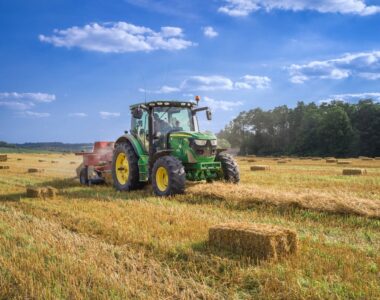
Open-field vegetable farming represents the traditional approach, where crops are grown directly in the soil, exposed to the natural elements. This method is characterized by its reliance on ambient temperature, rainfall, and sunlight, often spread across large geographical areas. Key advantages include lower initial infrastructure costs and the ability to leverage natural processes for pollination and disease resistance in certain ecosystems. However, it’s also highly susceptible to weather fluctuations, pest infestations, and seasonal limitations, leading to unpredictable yields and potential crop losses.
Greenhouse vegetable farming, conversely, involves cultivating crops within a controlled environment structure, typically made of translucent materials like glass or polycarbonate. These structures allow for the manipulation of critical growth factors such as temperature, humidity, light, and CO2 levels. This controlled setting aims to optimize growing conditions, extend growing seasons, and protect plants from adverse weather and pests. While greenhouses offer numerous benefits in terms of yield consistency and quality, they also entail significant infrastructure investment and operational expenses.
Comparing Costs of Greenhouse and Open-Field Vegetable Farming
The financial outlay for both open-field and greenhouse vegetable farming presents distinct profiles, heavily influencing a grower’s initial investment and ongoing operational budget.
Initial Capital Investment
For open-field farming, initial capital investment is primarily dictated by land acquisition or lease costs, which can vary wildly depending on location and quality. Beyond land, expenses include essential machinery like tractors, plows, planters, and irrigation systems. While these machinery investments can be substantial, they are generally spread across large acreage and are often multi-purpose. Land preparation, including soil testing and amendments, also contributes to the initial cost.
Greenhouse farming, on the other hand, demands a significantly higher upfront capital investment. The construction of the greenhouse structure itself is a major expense, with costs varying based on size, materials (glass vs. polycarbonate), automation level, and environmental control systems (heating, cooling, ventilation). Beyond the physical structure, sophisticated irrigation systems, nutrient delivery systems (hydroponics, aeroponics), lighting systems (supplemental grow lights), and environmental monitoring equipment represent considerable financial commitments. The initial outlay for a high-tech greenhouse can be several times greater than establishing an equivalent area in open-field production.
Operational Expenses
Operational costs are where the differences between the two farming methods become even more pronounced. Open-field farming generally has lower direct operational costs per unit of production, especially concerning energy. Its reliance on natural sunlight and rainfall minimizes electricity bills for lighting and water pumping. Labor costs are often lower per acre, particularly for mechanized tasks. However, variable costs like pesticides, herbicides, and fertilizers can be substantial due to increased susceptibility to pests and diseases and nutrient leaching. Crop rotation and fallow periods, while beneficial for soil health, also mean a portion of the land is unproductive at any given time.
Greenhouse farming incurs higher operational expenses, primarily due to energy consumption for climate control. Maintaining optimal temperatures, humidity, and supplemental lighting, especially in regions with extreme climates or during winter months, requires significant electricity or fuel. Automated systems, while reducing some manual labor, contribute to electricity consumption. Nutrient solutions for hydroponic or aeroponic systems are ongoing costs, as are specialized pest and disease control measures. Labor costs per unit area can be higher due to the specialized skills required for managing controlled environments and the intensity of harvesting. However, the use of precision agriculture within greenhouses can lead to more efficient use of water, fertilizers, and pesticides, potentially offsetting some of these higher costs in the long run.
Analyzing Yields in Greenhouse and Open-Field Vegetable Farming
Yield is a critical metric for any farming operation, directly impacting profitability. The disparate growing conditions in greenhouses versus open fields lead to significantly different yield profiles.
Yield per Unit Area
Greenhouse farming consistently outperforms open-field farming in terms of yield per unit area. This enhanced productivity is a direct consequence of the controlled environment. Growers can optimize factors like light intensity and duration through supplemental lighting, maintain ideal temperatures year-round, and precisely deliver nutrients directly to the plant roots. The ability to grow vertically in multi-tier systems further maximizes space utilization, especially in hydroponic or aeroponic setups. For instance, a square meter in a well-managed greenhouse can produce several times the amount of tomatoes or leafy greens compared to an equivalent area in an open field, often allowing for multiple harvest cycles within a year.
Open-field farming yields are inherently limited by seasonal changes and environmental variability. While good years with favorable weather can result in bountiful harvests, adverse conditions like drought, excessive rain, hail, or unexpected frosts can severely reduce yields or even lead to total crop failure. Pest outbreaks and diseases are also more difficult to control effectively across large open areas, further impacting yield. Crop rotation, while beneficial for soil health, also means that not all land is actively producing at all times, further reducing overall annual yield per hectare.
Yield Consistency and Quality
One of the most significant advantages of greenhouse farming is the consistency of yield and the superior quality of produce. The controlled environment minimizes exposure to pests, diseases, and harsh weather, resulting in fewer damaged or blemished crops. Consistent growing conditions lead to uniform size, color, and taste, meeting the stringent demands of modern consumers and retailers. Furthermore, the ability to harvest year-round ensures a steady supply, reducing price volatility and providing reliable income for growers.
Open-field farming, in contrast, struggles with yield consistency. Batches of produce can vary significantly in quality due to weather variations and pest pressures throughout the growing season. While many open-field growers produce excellent quality crops, the risk of inconsistency is ever-present. Seasonality dictates availability, meaning certain vegetables are only available fresh for limited periods, leading to market fluctuations and potential gluts or shortages.
Factors to Consider When Deciding to Use a Greenhouse for Vegetable Farming
The decision to invest in a greenhouse for vegetable farming is a complex one, requiring careful consideration of various economic, environmental, and practical factors.
Climate and Growing Season
For regions with harsh climates, short growing seasons, or unpredictable weather patterns, a greenhouse becomes an invaluable tool. Areas experiencing prolonged winters, excessive heat, or frequent storms can leverage greenhouses to extend the growing season, enable year-round production, and protect crops from extreme conditions. In tropical climates, greenhouses can mitigate excessive humidity and pest pressure, allowing for optimal growth. Conversely, in regions with consistently mild climates and ample sunshine, the added cost of a greenhouse might not be justified for all crops.
Market Demand and Premium Pricing
The target market plays a crucial role. If there is a strong demand for fresh, locally grown produce, especially during off-seasons, a greenhouse can command premium prices. Consumers are often willing to pay more for high-quality, consistently available vegetables that are perceived as healthier and more sustainable. Marketing directly to restaurants, specialty grocery stores, or through farmers’ markets can capitalize on this demand. If the market is saturated with low-cost, open-field produce, the economic viability of a greenhouse might be challenged for certain crops.
Land Availability and Cost
In areas where arable land is scarce, expensive, or unsuitable for traditional farming, greenhouses offer a potent solution. By maximizing yield per unit area and potentially utilizing vertical farming techniques within the greenhouse, smaller plots of land can become highly productive. This is particularly relevant in urban and peri-urban environments where land values are high, and food deserts are prevalent.
Crop Type and Value
Not all vegetables benefit equally from greenhouse cultivation. High-value crops such as specific varieties of tomatoes, peppers, cucumbers, lettuce, herbs, and exotic greens are often ideal for greenhouses due to their high market price and responsiveness to controlled environments. Low-value staple crops that are relatively hardy and require minimal specialized care may not justify the significant investment and operational costs associated with greenhouse production. Analyzing the profit margins for different crops in both open-field and greenhouse settings is essential.
Environmental Impact of Greenhouse and Open-Field Vegetable Farming
Both farming methods have distinct environmental footprints, and understanding these impacts is crucial for sustainable agricultural planning.
Resource Consumption
Open-field farming, while often perceived as “natural,” can be resource-intensive. It typically requires vast amounts of land and, in many regions, significant irrigation. Runoff from fertilizers and pesticides can contaminate water sources, impacting aquatic ecosystems. Soil erosion due to conventional tillage practices is another pervasive issue. However, advancements in precision agriculture and sustainable open-field practices are working to mitigate these impacts.
Greenhouse farming can be highly efficient in its use of water and nutrients, especially in hydroponic or aeroponic systems where water is recirculated, minimizing waste. Pest control can often rely more on biological methods, reducing reliance on broad-spectrum pesticides. However, greenhouses are energy-intensive, primarily due to heating, cooling, and supplemental lighting. The carbon footprint associated with energy consumption is a significant concern, although renewable energy sources are increasingly being integrated to address this. The materials used in greenhouse construction also have an environmental impact, from manufacturing to eventual disposal.
Biodiversity and Land Use
Open-field farming, when practiced on a large scale, can lead to habitat destruction and reduced biodiversity, especially through monoculture and the conversion of natural ecosystems. However, sustainable open-field practices, such as incorporating hedgerows, creating pollinator habitats, and practicing diverse crop rotations, can enhance biodiversity.
Greenhouses require a smaller land footprint for equivalent yields, potentially freeing up land for conservation or other uses. As enclosed systems, they often have less direct interaction with local wildlife, which can be both an advantage (less pest pressure) and a disadvantage (reduced support for local pollinators and beneficial insects unless integrated thoughtfully).
Case Studies: Successful Implementations of Greenhouse Vegetable Farming
Numerous examples globally demonstrate the efficacy and profitability of greenhouse vegetable farming. In the Netherlands, a pioneer in greenhouse technology, vast stretches of land are covered with sophisticated glasshouses producing exceptional yields of tomatoes, peppers, and cucumbers year-round, contributing significantly to the national economy and global food supply. These operations often feature advanced climate control, automated hydroponic systems, and integrated pest management, showcasing the pinnacle of controlled environment agriculture.
In arid regions like the United Arab Emirates, greenhouses equipped with advanced cooling systems and desalination-fed irrigation are making vegetable production possible in environments traditionally unsuitable for agriculture. These projects address food security concerns in water-scarce nations by enabling local food production. Similarly, in colder climates such as Scandinavia, greenhouses allow for the cultivation of fresh produce even during harsh winters, reducing reliance on imported goods and enhancing local food supply chains. These successes highlight how greenhouses can overcome geographical and climatic limitations, providing consistent, high-quality produce and contributing to regional food self-sufficiency.
Conclusion: Making the Decision Between Greenhouse and Open-Field Vegetable Farming
Choosing between greenhouse and open-field vegetable farming is not a universally applicable decision; it depends heavily on specific circumstances, goals, and resources. Open-field farming remains a viable and often necessary method for staple crops, large-scale production, and in regions with favorable climates and abundant land. Its lower initial investment and reliance on natural processes make it accessible for many growers.
However, for growers seeking consistent yields, higher quality produce, extended growing seasons, and immunity to unpredictable weather patterns, a greenhouse offers compelling advantages. The high upfront costs and higher operational expenses are often offset by increased productivity, premium pricing, and reduced crop losses. Factors such as regional climate, market demand for high-value produce, land availability, and the grower’s financial capacity must be meticulously evaluated. Ultimately, modern agriculture may increasingly see a synergistic approach, where both open-field and greenhouse methods play crucial, complementary roles in feeding a growing global population sustainably. The future of vegetable farming likely lies in intelligently integrating the strengths of both systems to maximize efficiency, resilience, and environmental responsibility.
Discover more from Transville Agro
Subscribe to get the latest posts sent to your email.