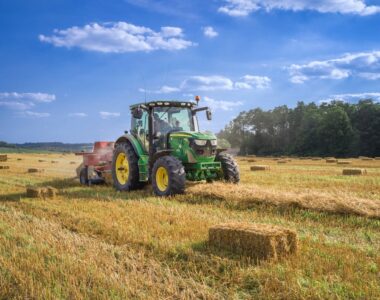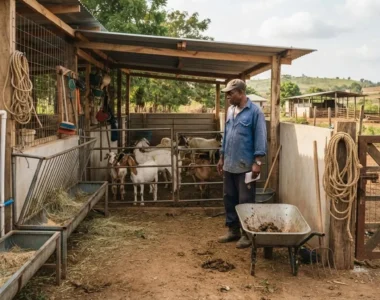
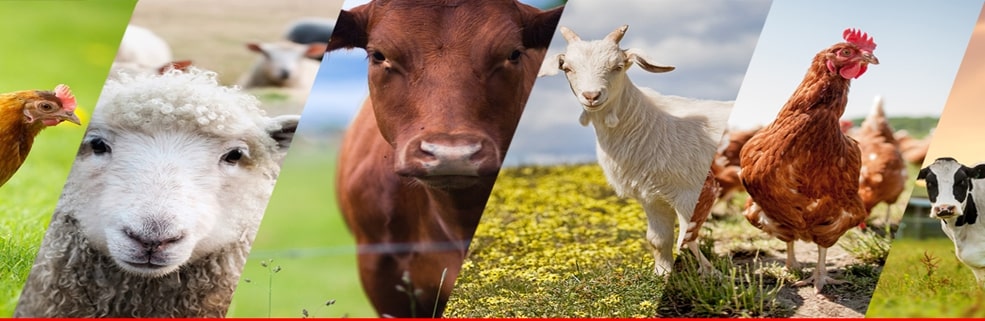
Agriculture is a cornerstone of Africa’s economy, with livestock farming significantly contributing to food security, employment, and income generation. However, choosing the best livestock breeds for the African climate, particularly in Nigeria, poses challenges due to the continent’s diverse environmental conditions. Understanding the relationship between livestock breeds and the specific climatic conditions they thrive in is essential for enhancing productivity, sustainability, and profitability in the livestock industry.
Understanding the African Climate
Africa’s climate is incredibly diverse, ranging from arid and semi-arid regions in the Sahel to tropical rainforests in the central and western parts of the continent. Nigeria, for example, experiences a tropical climate with varying degrees of humidity and temperature across its regions. A hot, dry climate characterizes northern Nigeria, while the southern region is humid and receives significant rainfall. This diversity necessitates careful consideration when selecting livestock breeds to ensure they are well-suited to their specific environments.
Key Factors to Consider When Selecting Livestock Breeds
Choosing the most appropriate livestock breeds for the African climate involves considering several critical factors:
- Heat Tolerance: High temperatures, especially in the northern regions of Africa, can be a significant challenge for livestock. Breeds that have adapted to heat stress are more likely to thrive. Such breeds typically possess physiological traits that enable them to dissipate heat efficiently, such as lighter coat colors, larger body surface area relative to volume, and effective respiratory systems.
- Disease Resistance: The African climate, particularly in humid and tropical regions, is conducive to various livestock diseases, including parasitic infestations, bacterial infections, and viral diseases. Breeds with natural disease resistance are crucial for minimizing losses and reducing the need for frequent veterinary interventions.
- Feed Efficiency: The availability and quality of feed can be inconsistent due to the seasonal nature of agriculture in many parts of Africa. Livestock breeds that are efficient at converting available feed into body mass or milk production are more sustainable choices.
- Reproductive Performance: Breeds with high fertility rates and good mothering abilities are essential for maintaining herd size and ensuring a steady supply of livestock products.
- Adaptability: Breeds that can adapt to varying environmental conditions, such as fluctuating temperatures and inconsistent feed availability, are more likely to perform well across different regions in Africa.
Best Livestock Breeds for the African Climate
Here are some of the most suitable livestock breeds for the African climate, focusing on their adaptability, heat tolerance, disease resistance, and productivity:
Cattle Breeds
- N’Dama: Native to West Africa, including Nigeria, the N’Dama breed is renowned for its trypanotolerance (resistance to trypanosomiasis or sleeping sickness), a disease prevalent in tropical Africa. N’Dama cattle are also known for their heat tolerance and ability to thrive on poor-quality forage, making them ideal for regions with limited feed resources.
- Boran: Originating from East Africa, the Boran cattle breed is highly adaptable to arid and semi-arid environments. They have excellent heat tolerance, and disease resistance, and are efficient converters of low-quality forage. Boran cattle are also known for their high fertility and good mothering abilities.
- Sokoto Gudali: Also known as White Fulani, this breed is common in northern Nigeria. It is well-adapted to the dry, hot climate of the Sahel region and is known for its drought resistance. Sokoto Gudali cattle have good milk production and are also valued for their meat.
Sheep Breeds
- West African Dwarf (WAD): The West African Dwarf sheep is a small, hardy breed well-suited to the humid and tropical climates of West Africa. It has a high resistance to parasitic infections, which are common in these regions and can thrive on low-quality forage.
- Sahelian Sheep: This breed is native to the Sahel region, spanning across several African countries, including Nigeria. Sahelian sheep are well-adapted to arid conditions and are known for their resilience to drought and heat. They are also efficient in terms of feed conversion and have a good reproductive rate.
- Yankasa: A medium-sized breed, Yankasa sheep are commonly found in Nigeria and are well-adapted to the northern regions. They are known for their hardiness and ability to survive in areas with poor grazing resources. Yankasa sheep have a good meat-to-bone ratio, making them popular for meat production.
Goat Breeds
- Red Sokoto (Maradi): The Red Sokoto goat, also known as the Maradi, is one of the most popular goat breeds in Nigeria. It is highly adaptable to the dry, hot climates of northern Nigeria and is prized for its high-quality skin, which is used in leather production. Red Sokoto goats are also efficient for meat production.
- West African Dwarf Goat: Similar to the WAD sheep, the West African Dwarf goat is a small, robust breed that thrives in the humid and tropical regions of West Africa. It has a high resistance to diseases and is well-suited for areas with high rainfall and abundant vegetation.
- Boer Goat: Originally from South Africa, the Boer goat is known for its rapid growth rate and excellent meat production. It is well-adapted to a range of environmental conditions, including the semi-arid and arid regions of Africa. Boer goats are also highly fertile, making them an excellent choice for improving herd productivity.
Poultry Breeds
- Kuroiler: The Kuroiler chicken is a dual-purpose breed that is highly productive in both meat and egg production. It is well-suited to a variety of climatic conditions, including the hot and humid environments found in many parts of Africa. Kuroilers are also resistant to common poultry diseases, making them a popular choice for small-scale and backyard poultry farming.
- Noiler: Developed in Nigeria, the Noiler chicken is a crossbreed between local Nigerian chickens and commercial broilers. It is well-adapted to the Nigerian climate, particularly the humid southern regions. Noilers are hardy, disease-resistant, and have good meat-to-egg production ratios.
- Sasso: The Sasso chicken breed is known for its adaptability to diverse African climates. It performs well in both rural and urban settings and is resistant to many common poultry diseases. Sasso chickens are also dual-purpose, providing both meat and eggs, and are a popular choice for smallholder farmers.
Pullets or Layers breeds
- Isa Brown: Isa Brown layers are among the most popular layers globally, known for their prolific egg production and adaptability to various climates. They are well-suited to the African climate, particularly in regions where temperatures can fluctuate. Isa Brown layers are hardy birds that continue to lay eggs efficiently even under heat stress, making them ideal for both commercial and small-scale poultry farming in Africa.
- Lohmann Brown: Another excellent layer breed, Lohmann Browns are known for their high egg yield and feed efficiency. They are well-adapted to different environmental conditions, including the hot and humid climates of West Africa. Lohmann Browns are also resistant to common poultry diseases, which helps in maintaining productivity with minimal veterinary intervention.
- Rhode Island Red: The Rhode Island Red is a dual-purpose breed that is highly valued for both its egg production and meat quality. This breed is known for its resilience and adaptability to various climates, including the hot and dry conditions found in many parts of Africa. Rhode Island Reds are hardy birds that can continue to lay eggs even in challenging conditions, making them a reliable choice for layers in Africa.
- Black Australorp: Known for its excellent laying abilities, the Black Australorp is a breed that adapts well to the African climate. It is particularly noted for its ability to maintain high egg production even in less-than-ideal conditions. Black Australorps are also resistant to many poultry diseases, making them a durable option for egg production in Africa.
- Leghorn: The Leghorn is a prolific egg layer that is highly efficient in feed conversion, making it a popular choice for commercial egg production. This breed is known for its hardiness and ability to thrive in a variety of climates, including the hot and arid regions of Africa. Leghorns are lightweight and require less feed while producing a significant number of eggs, which is ideal for maximizing profitability.
Strategies for Improving Livestock Productivity in Africa
To maximize productivity and sustainability in African livestock farming, several strategies should be implemented:
- Selective Breeding: Farmers should focus on selective breeding programs that emphasize traits such as disease resistance, heat tolerance, and feed efficiency. By crossing local breeds with more productive breeds, it is possible to create livestock that are well-suited to the African climate while also being highly productive.
- Improved Animal Husbandry Practices: Good animal husbandry practices, including proper feeding, housing, and healthcare, are essential for maintaining the health and productivity of livestock. Farmers should be educated on the best practices for managing their animals in different climatic conditions.
- Access to Veterinary Services: Ensuring that livestock have access to veterinary services is crucial for preventing and treating diseases. This includes regular vaccinations, parasite control, and prompt treatment of sick animals.
- Climate-Smart Agriculture: Implementing climate-smart agricultural practices, such as water conservation, soil management, and sustainable grazing, can help farmers adapt to changing climatic conditions and improve livestock productivity.
Conclusion
Selecting the best livestock breeds for the Nigerian and African climate is a complex but essential task for ensuring the sustainability and profitability of livestock farming. By choosing breeds that are well-adapted to the local environment, farmers can enhance productivity, reduce losses due to disease and heat stress, and contribute to food security across the continent. Combining these breed selections with improved animal husbandry practices and access to veterinary services will ensure that Africa’s livestock industry continues to thrive despite environmental challenges.
Discover more from Transville Agro
Subscribe to get the latest posts sent to your email.