
In Nigeria, maize reigns supreme as a staple crop, feeding millions and underpinning agricultural economies. Yet, amidst the bounty of golden kernels, a significant and valuable resource is often overlooked, discarded, or underutilized: the humble corncob. These seemingly insignificant remnants hold a surprisingly rich nutritional profile and offer a remarkable range of applications that could revolutionize Nigerian farming practices, boost livestock health, enrich soil, and even contribute to a sustainable energy future. Unlocking the full potential of corncobs isn’t just about waste reduction; it’s about maximizing nutrition, enhancing livelihoods, and fostering a more resilient agricultural landscape.
While often perceived as mere fibrous waste, corncobs possess a hidden wealth of nutritional compounds that can significantly benefit livestock. Their inherent characteristics make them a valuable, readily available, and affordable feedstuff, particularly in times of scarcity or as a supplement to more expensive options.
Unveiling the Micro and Macronutrients in Corncobs for Nigerian farmers
Corncobs, though low in crude protein, are a substantial source of digestible fibers, predominantly hemicellulose and cellulose. These complex carbohydrates are crucial for ruminant digestion, promoting healthy gut function and efficient nutrient absorption. They also contain a notable amount of lignins, which, while indigestible by monogastrics, can contribute to rumen fill and satiety in cattle, goats, and sheep. Beyond these structural carbohydrates, corncobs harbor a surprising array of micronutrients. Trace minerals such as phosphorus, potassium, calcium, and magnesium are present, albeit in varying concentrations depending on soil composition and maize variety. These minerals are vital for bone development, metabolic processes, and overall animal health.
Corncobs as a Sustainable and Economical Feed Alternative
The economic implications of utilizing corncobs for Nigerian farmers in livestock feed are profound for Nigerian farmers. Instead of incurring costs for disposal or sourcing expensive alternatives, farmers can readily access a local, abundant, and zero-cost raw material. This significantly reduces feed expenses, a major operational cost for livestock producers. Furthermore, their availability post-harvest ensures a consistent supply, particularly during dry seasons when other forage options may be scarce. By integrating corncobs into feed formulations, farmers can reduce their reliance on commercially produced feeds, contributing to greater self-sufficiency and improved profitability. The environmental benefits are equally compelling, as utilizing corncobs minimizes agricultural waste and reduces the carbon footprint associated with producing and transporting synthetic feed ingredients.
Transforming raw corncobs into a palatable and highly digestible feed requires innovative processing and careful consideration of livestock needs. Simple yet effective techniques can unlock their nutritional value, making them a cornerstone of sustainable livestock management.
Enhancing Digestibility through Mechanical and Biological Processing
The high fiber content of corncobs necessitates processing to improve their digestibility, particularly for non-ruminant animals. Mechanical methods, such as grinding or milling, effectively reduce particle size, increasing the surface area for enzymatic digestion. Various types of grinders, from simple hammer mills to more sophisticated disk mills, can be employed, tailored to the scale of the farming operation. Beyond mechanical processing, biological treatments offer promising avenues. Fermentation, a traditional and easily implemented technique, leverages microorganisms to break down complex carbohydrates into simpler sugars, improving nutrient bioavailability. Ensiling corncobs, often blended with other agricultural byproducts or legumes, creates a nutrient-rich silage that can serve as a valuable forage alternative during feed shortages. Chemical treatments, while perhaps more complex, can also be explored, with mild alkali treatments shown to enhance fiber degradation.
Strategic Fortification and Blending for Balanced Rations
To overcome the inherent limitations of corncobs – primarily their low protein content – strategic fortification and blending are crucial for creating balanced and nutritious livestock rations. Corncob meal can be blended with protein-rich supplements such as groundnut cake, soybean meal, or even local legumes like cowpea hulls. Mineral and vitamin premixes are essential to address any deficiencies and ensure optimal animal health and productivity. For monogastric animals like poultry and pigs, careful consideration of amino acid profiles is necessary, often requiring the addition of synthetic amino acids. For ruminants, where the rumen microbes can synthesize some amino acids, a focus on digestible energy and readily available nitrogen sources is paramount. The art of formulating balanced rations lies in understanding the specific nutritional requirements of different animal species and life stages, ensuring that corncob-based feeds contribute effectively to growth, milk production, and overall well-being.
The practical implementation of corncob utilization in livestock feeding requires accessible methods and a phased approach, enabling Nigerian farmers to seamlessly integrate this valuable resource into their existing practices.
Simple Processing Techniques for Small-Scale Farmers
For smallholder farmers with limited resources, simple and cost-effective processing techniques are key. Sun-drying corncobs thoroughly after harvest is the foundational step, preventing mold growth and preserving their quality. Once dried, manual crushing or pounding in a mortar and pestle can reduce corncobs to a coarser meal suitable for mixing with other feeds. Community-level initiatives, such as shared hammer mills or mobile grinding units, can significantly enhance processing capabilities and make corncob meal more readily available. Experimentation with different levels of grinding and mixing with locally available ingredients like cassava peels, groundnut haulms, or crop residues will allow farmers to find optimal formulations for their specific livestock.
Incorporating Corncob Meal into Different Animal Diets
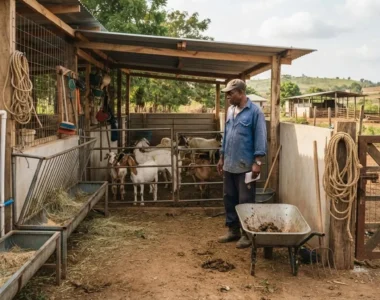
The suitability of corncob meal varies across animal species and their physiological stages. For ruminants (cattle, goats, sheep), corncob meal can constitute a significant portion of their diet, providing much-needed roughage and energy. It can be mixed with concentrates, fed as part of a total mixed ration (TMR), or even offered free-choice alongside mineral blocks. In poultry, particularly layers, finely ground corncob meal can be incorporated as a fiber source, improving gut health and feather quality, though its inclusion rate should be carefully managed due to its lower energy density. For pigs, particularly growing and finishing pigs, corncob meal can be included in smaller proportions as a filler and fiber source, provided it is adequately fortified with protein and energy. Careful monitoring of animal performance and feed intake is essential to adjust inclusion rates and ensure optimal growth and productivity.
Beyond their dietary value, corncobs present a compelling opportunity as a sustainable and renewable energy source, offering solutions to energy poverty and reducing reliance on fossil fuels in rural Nigeria.
Corncobs for Biogas Production and Cooking Fuel
The cellular structure of corncobs makes them an excellent feedstock for biogas production. Anaerobic digestion of corncobs, either alone or co-digested with animal manure or other organic wastes, yields methane-rich biogas that can be used for cooking, lighting, and even powering small generators. This technology offers a decentralized and environmentally friendly energy solution for rural households, reducing reliance on firewood and kerosene, thereby mitigating deforestation and harmful indoor air pollution. Furthermore, compressed corncob briquettes offer an efficient and cleaner alternative to traditional firewood for cooking. These briquettes burn longer and with less smoke, improving household health and reducing the burden of fuelwood collection.
Generating Electricity and Reducing Carbon Footprint
On a larger scale, corncobs can be utilized in biomass gasification or combustion power plants to generate electricity. This holds significant potential for decentralized power generation in agricultural communities, providing reliable energy for irrigation pumps, processing equipment, and rural homes. Such initiatives not only address energy deficits but also contribute significantly to reducing Nigeria’s carbon footprint by utilizing a renewable biomass resource. Investing in the infrastructure and technology for corncob-based energy systems can create new economic opportunities, foster local entrepreneurship, and position Nigerian agriculture as a leader in sustainable energy practices.
The benefits of corncobs for Nigerian farmers extend far beyond animal feed and energy; they are also a valuable organic amendment that can profoundly enhance soil health and boost crop yields.
Improving Soil Structure, Water Retention, and Nutrient Cycling
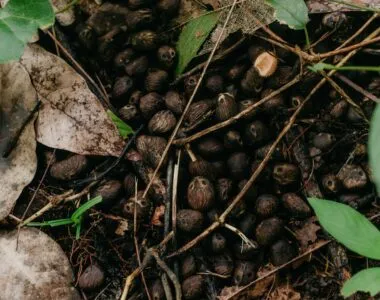
When used as a mulch, shredded or coarsely ground corncobs create a protective layer over the soil surface. This layer significantly improves soil structure by preventing compaction, enhancing aeration, and promoting the activity of beneficial soil microorganisms. The organic matter from decomposing corncobs gradually integrates into the soil, increasing its water-holding capacity, a critical advantage in regions prone to drought. Furthermore, as corncobs decompose, they slowly release essential plant nutrients, contributing to a sustained and natural nutrient supply to crops, reducing the need for synthetic fertilizers. This natural nutrient cycling fosters a healthier and more resilient soil ecosystem, leading to improved plant vigor and resistance to pests and diseases.
Suppressing Weeds and Regulating Soil Temperature
The physical presence of corncob mulch effectively suppresses weed growth by blocking sunlight, thereby reducing competition for nutrients and water. This dramatically decreases the need for manual weeding or herbicide application, saving farmers time, labor, and money. Additionally, corncob mulch acts as an insulator, regulating soil temperature. It keeps the soil cooler during hot periods, protecting roots from heat stress, and warmer during colder periods, promoting consistent root growth. This temperature stabilization creates an optimal environment for plant development, leading to healthier crops and ultimately, higher yields. The combined benefits of improved soil health, weed suppression, and temperature regulation make corncob mulch a powerful tool for sustainable agricultural practices in Nigeria.
Discover more from Transville Agro
Subscribe to get the latest posts sent to your email.