Starting a rabbitry business in Nigeria can be profitable. This guide provides practical steps to help you establish a successful rabbit farming enterprise.
1. Understanding Rabbit Farming in Nigeria
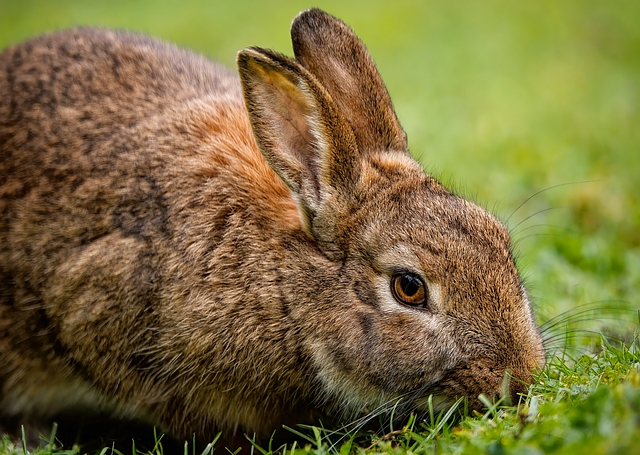
Rabbit farming in Nigeria, or cuniculture, involves breeding and raising rabbits for various purposes, including meat, fur, and as pets. In Nigeria, the demand for rabbit meat is growing due to its high protein content and low fat. Rabbits are also valued for their fur and as pets, offering multiple income streams for farmers. Rabbit farming has the potential to be a lucrative venture in Nigeria, providing opportunities for small-scale and commercial farmers alike. With the right knowledge and resources, rabbit farming can contribute to food security and economic development in the country.
2. Selecting Profitable Rabbit Breeds
Choosing the right rabbit breeds is crucial for profitability. Here are some breeds well-suited for Nigerian conditions:
- New Zealand White: Known for rapid growth and high meat yield.
- California white: Popular for meat production with good feed-to-meat conversion.
- Chinchilla: Valued for both meat and fur.
- Flemish Giant: One of the largest breeds, offering substantial meat.
- Hyla: A hybrid breed known for fast growth and high reproduction rates.
Selecting healthy breeding stock from reputable sources ensures better productivity and disease resistance.
3. Setting Up Your Rabbitry
Proper housing is essential for rabbit health and productivity. Consider the following:
- Housing: Construct well-ventilated hutches or cages elevated from the ground to prevent dampness. Ensure protection from predators and extreme weather.
- Space: Allocate sufficient space for each rabbit to move freely.
- Cleanliness: Maintain hygiene by regularly cleaning cages and removing waste.

4. Feeding and Nutrition
A balanced diet promotes healthy growth and reproduction:
- Forage: Provide grasses, legumes, and leafy vegetables.
- Concentrates: Supplement with commercial rabbit pellets for essential nutrients.
- Water: Ensure constant access to clean, fresh water.
Avoid feeding rabbits harmful plants or spoiled feed to prevent health issues.
5. Breeding and Reproduction
Efficient breeding practices enhance productivity:
- Mating: Introduce a doe to the buck’s cage for mating. Monitor to ensure successful copulation.
- Gestation: The gestation period is approximately 28-31 days.
- Kindling: Provide nesting boxes for does to give birth. Monitor kits for health and growth.
Implement a breeding schedule to manage reproduction cycles effectively.
6. Health Management
Maintaining rabbit health is vital:
- Vaccinations: Administer recommended vaccines to prevent diseases.
- Parasite Control: Regularly check for and treat external and internal parasites.
- Observation: Monitor rabbits for signs of illness and consult a veterinarian when necessary.
A proactive health management plan reduces mortality and enhances productivity.
7. Marketing and Sales
Developing a market strategy ensures profitability:
- Target Market: Identify potential buyers such as local markets, restaurants, and individuals seeking pets.
- Pricing: Set competitive prices based on market research and production costs.
- Promotion: Utilize social media and local advertising to reach potential customers.
Building relationships with buyers and maintaining product quality fosters repeat business.
8. Record Keeping
Maintain detailed records for effective management:
- Breeding Records: Track mating dates, litter sizes, and growth rates.
- Health Records: Document vaccinations, treatments, and health issues.
- Financial Records: Monitor expenses, sales, and profits to assess business performance.
Accurate records facilitate informed decision-making and business planning.
9. Scaling Your Business
As your rabbitry grows:
- Expand Facilities: Increase housing capacity to accommodate more rabbits.
- Diversify Products: Explore additional income streams such as selling manure as fertilizer or producing rabbit fur products.
- Training: Stay informed about best practices through workshops and industry resources.
Strategic growth ensures long-term sustainability and increased profits.
10. Challenges and Solutions
Be prepared to address common challenges:
- Disease Outbreaks: Implement strict biosecurity measures and consult veterinarians promptly.
- Market Fluctuations: Diversify income sources and build a loyal customer base.
- Feed Costs: Explore cost-effective feeding options without compromising nutrition.
Proactive problem-solving enhances resilience and business success.
Frequently Asked Questions (FAQs)
Q1: How much capital is needed to start a rabbitry?
A: Starting capital varies based on scale, but a small-scale operation may require ₦70,000 to ₦120,000 for housing, breeding stock, and initial feed.
Q2: How many rabbits should I start with?
A: Starting with one buck and two does is advisable for beginners, allowing manageable growth and learning.
Q3: What is the lifespan of a rabbit?
A: Rabbits typically live 5 to 8 years, but breeding stock is most productive in the first 3 years.
Q4: How do I prevent diseases in my rabbitry?
A: Maintain cleanliness, provide proper nutrition, and implement regular health checks and vaccinations.
Q5: Can rabbit farming be done in urban areas?
A: Yes, with proper housing and adherence to local regulations, rabbit farming can be conducted in urban settings.
Q6: Is there a market for rabbit products in Nigeria?
A: Yes, there is growing demand for rabbit meat, fur, and as pets, offering multiple market opportunities.
Starting rabbit farming in Nigeria offers a promising avenue for income generation. By selecting suitable breeds, providing proper care, and developing effective marketing strategies, farmers and entrepreneurs can build a successful and sustainable enterprise.
For further information on how to source these rabbits, please contact us here.
Discover more from Transville Agro
Subscribe to get the latest posts sent to your email.