Dealing with foot rot in your livestock can be a real pain. It’s painful for the animals, can spread like wildfire if you’re not careful, and frankly, it’s just a messy business. The good news is, preventing it is entirely within your grasp. The core of preventing foot rot boils down to controlling the environment, keeping your animals healthy from the inside out, and acting fast when you see signs. It’s not about one magic bullet, but a consistent approach to management.
Understanding Foot Rot in Livestock
Foot rot, scientifically known as infectious pododermatitis, is a bacterial infection that affects the feet of various livestock, most commonly cattle and sheep. It’s not just a superficial problem; it can burrow deep into the tissues of the hoof and surrounding skin, leading to significant lameness, pain, and even systemic illness if left untreated. The infection typically starts in the soft tissue between the claws, where bacteria find a perfect, moist environment to thrive. This can then spread to deeper structures, causing inflammation, swelling, and the classic foul odor associated with the condition.
The Culprits: Bacteria Behind the Rot
The primary bacteria responsible for foot rot are Fusobacterium necrophorum and Bacteroides melaninogenicus. These are common inhabitants of the digestive tracts of healthy animals and are also found in soil and manure. They aren’t inherently aggressive, but certain conditions create the perfect storm for them to cause trouble. When the skin on an animal’s foot is damaged, even by something as minor as a small scratch, it provides an entry point for these opportunistic pathogens.
What Makes Them Go Rogue?
Understanding what allows these bacteria to cause infection is key to prevention. It’s not that the bacteria suddenly become more virulent. Instead, it’s the animal’s feet and environment that create the problem. Think of it like this: if you have a cut on your hand and then stick it in dirty water, you’re much more likely to get an infection than if you keep it clean. The same principle applies to livestock. The bacteria are often present, but it’s the environmental factors that allow them to take hold and cause disease.
Identifying the Causes and Risk Factors
So, what are those environmental factors and conditions that put your livestock at a higher risk for developing foot rot? It’s a combination of things, and often more than one factor is at play. Understanding these risk factors is like knowing which ingredients make a recipe go wrong, so you can avoid them.
The Wet and The Muddy: A Foot Rot Haven
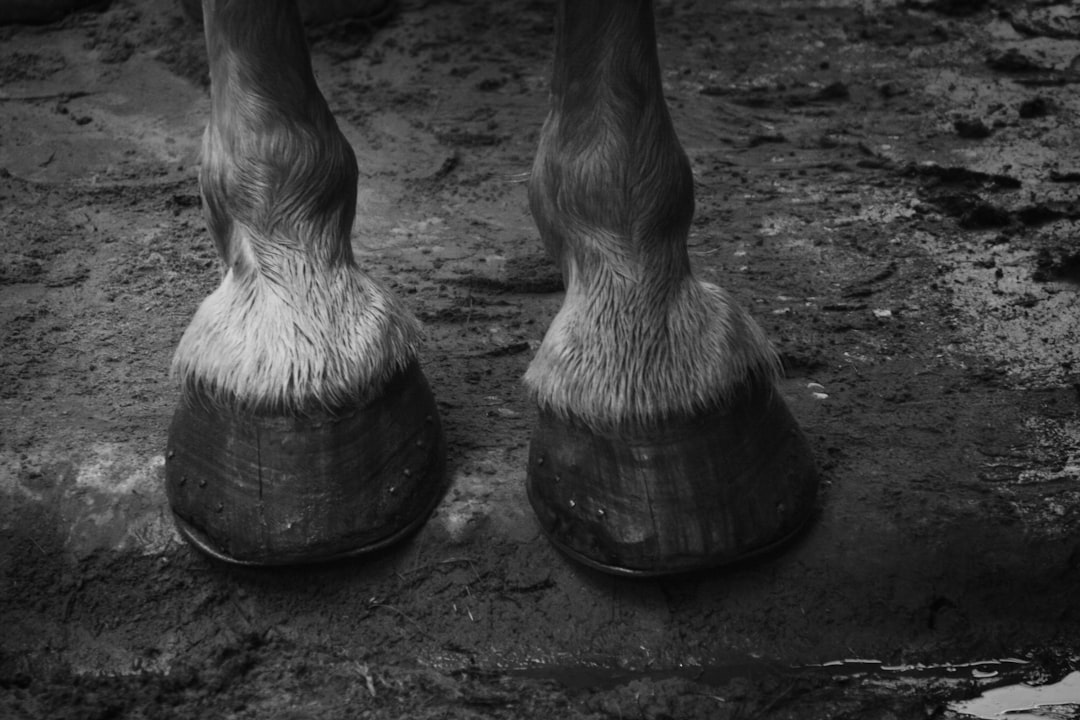
This is perhaps the most significant and widely recognized risk factor. Consistently wet and muddy conditions create an ideal breeding ground for the bacteria responsible for foot rot. When animals stand in prolonged moisture, the skin between their claws becomes softened and macerated. This makes it far more susceptible to the minor abrasions that inevitably occur when they walk. Think of soggy bread – it’s easily torn. Damp environments also protect the bacteria from drying out, allowing them to persist and multiply. Areas around water troughs, gates, feeding stations, and general pasture where drainage is poor are prime culprits.
Abrasions and Lacerations: Tiny Wounds, Big Problems
Even in relatively dry environments, minor injuries can occur. Sharp stones, gravel, bits of wire, or even rough ground can cause small cuts or abrasions on the soft tissue between the claws. These tiny openings, often barely visible, are all the invitation the foot rot bacteria need to invade. Even a slightly stepped-on nail or piece of glass can create an entryway. The more opportunities for these small injuries, the higher the risk.
Overgrown Hooves: Unseen Damage
For animals that don’t have their hooves regularly trimmed or naturally wear them down effectively, overgrown hooves can be a hidden danger. Abnormally long hooves can alter an animal’s gait, leading to unnatural pressure points and increased wear on the soft tissues. They can also trap debris and moisture, creating a more favorable environment for bacterial growth. Additionally, overgrown hooves can chip or crack, exposing underlying sensitive tissues.
Stress and Nutritional Deficiencies: Internal Weaknesses
A stressed or poorly nourished animal is simply less capable of fighting off infection. Chronic stress, whether from overcrowding, poor handling, or significant environmental changes, can suppress an animal’s immune system. Similarly, deficiencies in essential nutrients, particularly those important for skin and immune function, such as zinc, copper, and vitamins A and E, can weaken the skin’s natural defenses. When the body’s internal defenses are compromised, it’s much harder to resist external invaders such as foot-rot bacteria.
Best Practices for Preventing Foot Rot
Preventing Foot rot in livestock is always better than cure, and when it comes to foot rot, it’s undeniably true. Implementing a proactive strategy can save you a lot of headaches and, more importantly, prevent a great deal of suffering for your animals. It’s about creating an environment where foot rot struggles to take hold.
Managing Moisture: The Cornerstone of Prevention
This is the big one. Reducing or eliminating prolonged exposure to wet and muddy conditions is paramount.
Rotational Grazing and Pasture Management
If you graze your livestock, consider implementing rotational grazing. Moving animals to fresh, drier pastures regularly interrupts the cycle of bacterial buildup. It also allows damaged pastures to recover and dry out. Clearing drainage ditches and improving land drainage where possible can make a significant difference. Think about how you can channel water away from high-traffic areas.
Keeping Water, Feed, and High-Traffic Areas Dry
Pay special attention to areas where animals congregate: around water troughs, feeders, and gateways. These are often the wettest and muddiest spots. Hardening these areas with gravel, concrete, or mats can drastically reduce mud accumulation and keep feet drier. Regularly clearing manure from these spots also helps.
Footbaths: A Targeted Approach
Footbaths can be an effective tool for both prevention and treatment. They’re essentially shallow troughs filled with a disinfecting solution that animals walk through regularly.
Choosing the Right Solution
Commonly used solutions include copper sulfate or zinc sulfate. These compounds have antiseptic properties and can help to harden the hoof and kill surface bacteria. It’s crucial to use the correct concentration, as too strong a solution can irritate the skin, and too weak a solution will be ineffective. Follow veterinary or agricultural extension recommendations for your specific product.
Proper Implementation
Footbaths should be strategically placed in high-traffic areas or at exits from barnyards. They need to be cleaned and refilled regularly to remain effective. A dirty footbath can actually spread bacteria, so keeping it clean is vital. You want the solution to be effective, not a breeding ground for more trouble.
Hoof Trimming: Maintaining Healthy Feet
Regular hoof trimming is not just about aesthetics; it’s a crucial part of foot health.
Scheduled Trimming
Establish a regular hoof-trimming schedule for your animals, especially those prone to overgrowth or with specific susceptibility. This helps to maintain proper hoof shape, reduce pressure points, and remove any damaged or diseased tissue before it becomes a serious problem. It also allows for early detection of any issues.
Early Intervention for Lame Animals
If you notice an animal favoring a foot, even slightly, don’t ignore it. Early intervention is key. A quick visual inspection of the hoof might reveal a small cut or foreign object that can be easily dealt with before it develops into full-blown foot rot.
Proper Foot Rot Treatment and Management
| Treatment | Management |
|---|---|
| Proper cleaning of the affected area | Regular hoof trimming |
| Application of antiseptic solution | Proper nutrition to support hoof health |
| Use of medicated foot baths | Regular monitoring for early detection |
Despite your best preventive efforts, you might still encounter foot rot. When that happens, swift and accurate treatment is essential to minimize suffering and prevent the spread to other animals. The goal is to eliminate the infection and allow the foot to heal.
Recognizing the Signs Early
The sooner you spot foot rot, the easier it is to treat. Look for:
- Lameness: This is the most obvious sign, often appearing suddenly. The animal may rest the affected leg or walk with a distinct limp.
- Swelling: You might notice swelling between the claws or around the coronary band.
- Foul Odor: A characteristic rotten smell is often present due to bacterial decay.
- Redness and Fissures: The skin between the claws may appear red, inflamed, and may have cracks or erosions.
Immediate Isolation and Treatment
As soon as you suspect foot rot, isolate the affected animal. This prevents the disease from spreading to your healthy stock. Clean the affected hoof as best you can with water and a mild disinfectant.
Topical Treatments
For early or mild cases, topical treatments can be effective. This usually involves applying an antimicrobial spray or ointment directly to the affected area. Many over-the-counter products are available, but it’s always best to consult with your veterinarian for recommendations tailored to your situation. Ensure you get good coverage on the lesion and the surrounding skin.
Systemic Antibiotics
More severe or widespread cases often require systemic antibiotics. These are usually administered via injection by a veterinarian. The type of antibiotic and duration of treatment will depend on the severity of the infection and the species of animal. It’s crucial to complete the full course of antibiotics as prescribed, even if the animal appears to be recovering, to ensure the infection is fully eradicated.
Foot Trimming During Treatment
During treatment, trimming away any necrotic (dead) tissue from the affected area can greatly aid healing and improve the effectiveness of topical treatments. This should be done carefully, avoiding further damage to healthy tissue.
Importance of Good Hygiene and Housing

Hygiene and housing aren’t just about making your farm look tidy; they are fundamental pillars in controlling and preventing disease outbreaks, including foot rot. Think of them as your first line of defense.
Clean Living Spaces
The principles of good hygiene revolve around reducing the environmental load of pathogens. This means keeping housing areas, stalls, and corrals as clean and dry as possible. Regular removal of manure and soiled bedding is critical. Wet, mucky bedding combined with manure creates the perfect incubation period for foot rot bacteria.
Bedding Management
Choose absorbent bedding materials and allow for easy cleaning. Straw, wood shavings, or sand can be good options, but their effectiveness depends on how well they are managed. If bedding becomes saturated, it needs to be removed and replaced. Standing in wet, soiled bedding for extended periods is a significant risk factor for foot rot.
Ventilation and Airflow
Good ventilation in barns and shelters is essential for keeping bedding dry and reducing humidity. Stagnant, moist air creates a humid environment conducive to bacterial growth. Ensuring proper airflow helps to dry out surfaces and dissipate moisture, making it harder for foot rot pathogens to thrive.
Draft-Free Environments
While good ventilation is important, avoid direct drafts across resting animals. Cozy and dry is the goal, not chilling. The aim is to remove excess moisture and heat without causing discomfort or stress to the animals.
Regular Cleaning and Disinfection
When animals have been treated for foot rot, or if there’s a history of the disease on the farm, thorough cleaning and disinfection of affected areas are vital. This helps to kill any remaining bacteria and prevent re-infection.
Disinfectant Choice
Select a disinfectant that is effective against the bacteria responsible for foot rot and safe for use around livestock. Always follow the manufacturer’s instructions for dilution and application. Pay attention to areas where animals have stood or lain down.
Nutritional Considerations for Foot Rot Prevention
While you might primarily think of nutrition in terms of growth and reproduction, it plays a remarkably significant role in the health and integrity of your livestock’s skin and immune system – both key factors in preventing foot rot. A well-nourished animal is a more resilient animal.
Zinc: The Unsung Hero of Hoof Health
Zinc is a mineral absolutely critical for skin integrity, hoof formation, and immune function. A deficiency in zinc can lead to weakened skin, making it much more susceptible to bacterial invasion. It also impacts the keratinization process of hoof growth, which can affect the overall strength and structure of the hoof. Ensuring your animals receive adequate zinc in their diet is a fundamental preventive measure.
Sources of Zinc
Zinc is typically supplied through commercially formulated feeds, mineral supplements, or salt blocks. It’s important to ensure these supplements are balanced for the specific needs of your livestock species and stage of production. Over-supplementation can also be an issue, so a balanced approach is best.
Copper: More Than Just an Anemia Fighter
Copper is another essential trace mineral that plays a role in collagen formation, which is vital for maintaining healthy connective tissues, including those in the skin and hooves. It also contributes to a robust immune response. Like zinc, a deficiency can compromise both skin integrity and the animal’s ability to fight off infections.
Balancing Minerals
It’s crucial to get the balance right. Sometimes, high levels of certain minerals (like molybdenum or sulfur) can interfere with the absorption of copper and zinc. This highlights the importance of a well-formulated ration.
Vitamins A, E, and Biotin
Vitamins A and E are potent antioxidants that support immune function and tissue health. Vitamin A is crucial for the maintenance of epithelial tissues, including the skin. Vitamin E is vital for immune response and can help protect cells from damage. Biotin, a B vitamin, is particularly associated with hoof and skin health, and its deficiency can lead to brittle hooves.
Dietary Sources
These vitamins are found in good quality forage, grains, and can be supplemented if necessary, often in feed or specific vitamin premixes.
Working with a Veterinarian for Foot Rot Prevention and Control
Don’t underestimate the value of your veterinarian. They are your partners in animal health, and their expertise is invaluable when it comes to preventing and controlling foot rot. They can offer tailored advice that goes beyond generic tips.
Diagnosing and Treating Complex Cases
While you might be able to identify and treat minor cases, veterinarians have the diagnostic tools and knowledge to accurately diagnose foot rot, especially in its early stages or if it’s part of a larger herd health issue. They can also prescribe the most effective antibiotics and guide you on their proper administration.
Identifying Underlying Issues
Sometimes, repeated outbreaks of foot rot can signal a more significant underlying problem, such as poor housing, inadequate nutrition, or even other diseases that compromise the immune system. Your vet can help you identify these root causes and develop a comprehensive management plan.
Developing a Prevention Program
A veterinarian can help you create a farm-specific foot rot prevention program. This might involve:
- Risk assessment: Evaluating your specific farm conditions, management practices, and animal genetics.
- Vaccination (for specific regions/situations): In some areas, there might be vaccines available that offer partial protection against the bacteria involved in foot rot. Your vet can advise if this is a viable option for your herd.
- Biosecurity measures: Implementing protocols for introducing new animals to your farm to prevent the introduction of diseases.
- Record-keeping: Establishing systems to track cases of foot rot, which can help identify patterns and the effectiveness of your preventive strategies.
Education and Training
Your vet can also provide valuable training for you and your staff on recognizing the early signs of foot rot, proper hoof trimming techniques, and administering treatments effectively and safely. They are a great resource for keeping your knowledge up-to-date. Engaging with your veterinarian proactively, rather than just when a crisis hits, is a smart investment in the long-term health and productivity of your livestock.
FAQs
1. What is foot rot in livestock, and what are the causes and risk factors?
Foot rot is a common infectious disease in livestock that affects the hooves and surrounding tissues. It is caused by a combination of bacteria, such as Fusobacterium necrophorum and Dichelobacter nodosus, and environmental factors like wet and muddy conditions. Risk factors for foot rot include overcrowding, poor hygiene, and nutritional deficiencies.
2. What are the best practices for preventing foot rot in livestock?
Preventing foot rot in livestock involves maintaining good hygiene and housing conditions, providing proper nutrition, and working with a veterinarian for regular hoof care and monitoring. Practices such as regular hoof trimming, keeping the environment clean and dry, and providing adequate space for animals can help prevent foot rot.
3. What is the proper treatment and management for foot rot in livestock?
Proper treatment for foot rot in livestock involves identifying and isolating affected animals, cleaning and disinfecting the hooves, and administering antibiotics as prescribed by a veterinarian. Management includes regular hoof trimming, maintaining clean and dry living conditions, and monitoring for any signs of recurrence.
4. How important is good hygiene and housing in preventing foot rot in livestock?
Good hygiene and housing are crucial in preventing foot rot in livestock. Clean and dry living conditions help reduce the risk of bacterial infections, while proper hygiene practices, such as regular hoof cleaning and disinfection, can help control the spread of foot rot within a herd.
5. What nutritional considerations are important for preventing foot rot in livestock?
Nutritional considerations for preventing foot rot in livestock include providing a balanced diet that meets the animals’ specific needs for vitamins, minerals, and protein. Ensuring access to clean water and avoiding overgrazing in wet or muddy areas can also help prevent nutritional deficiencies and reduce the risk of foot rot.
Discover more from Transville Agro
Subscribe to get the latest posts sent to your email.