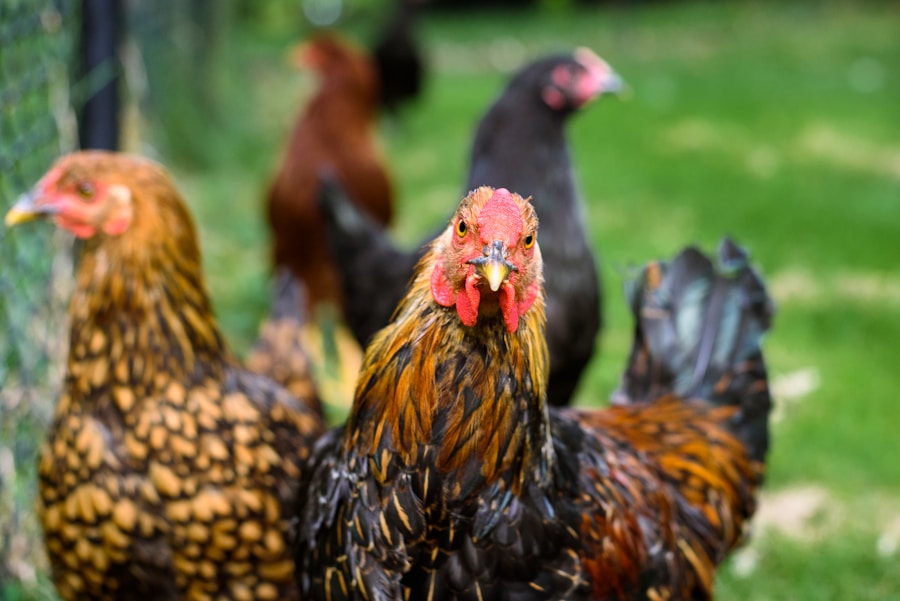
Culling, a practice as old as animal husbandry itself, plays a critical yet often misunderstood role in modern poultry production. It refers to the selective removal of individual birds from a flock due to various reasons impacting their health, productivity, or the overall health and economic viability of the farm. While the term may carry negative connotations, understanding its nuances, best practices, and ethical implications is paramount to responsible and efficient poultry farming. This comprehensive guide examines the multifaceted nature of culling, from its rationale to its far-reaching consequences and potential alternatives.
Understanding the Importance of Culling in Poultry Production
The fundamental purpose of culling is to maintain a healthy, productive, and genetically sound flock. In commercial settings where efficiency and profitability are key, proactive disease management and resource optimization are essential. Culling is a crucial tool for achieving these goals. By identifying and removing sick or unproductive birds, farmers prevent the potential spread of diseases that could decimate an entire flock, leading to significant economic losses and potential public health risks. Furthermore, culling inefficient layers, stunted growers, or birds with physical deformities ensures that resources such as feed, water, and space are optimally utilized by the healthier, more productive members of the flock. This not only enhances operational efficiency but also contributes to a more humane environment for the remaining birds.
Maintaining Flock Health and Biosecurity
The prevention of disease transmission is perhaps the most critical aspect of culling’s importance. Poultry farms are susceptible to a myriad of pathogens, and a single infected bird can quickly compromise the biosecurity of the entire operation. Culling birds exhibiting signs of illness, such as lethargy, abnormal droppings, respiratory distress, or unusual posture, constitutes an immediate intervention to prevent potential outbreaks. This proactive approach reduces the need for widespread antibiotic use, which is increasingly scrutinized due to concerns about antimicrobial resistance. Early detection and removal of sick individuals are cornerstones of a robust biosecurity program, safeguarding not only the current flock but also future flocks.
Optimizing Productivity and Resource Utilization
In a commercial setting, every bird contributes to the farm’s economic output. Non-laying hens, slow-growing broiler chickens, or birds with injuries that hinder their movement and feeding are essentially drawing resources without providing a proportionate return. Culling these individuals frees up valuable space, reduces feed consumption, and allows the farm to focus its resources on birds that are performing at their peak. This optimization directly affects the operation’s profitability. Moreover, in breeding programs, culling is essential for selecting superior genetics, ensuring that future generations exhibit desirable traits such as disease resistance, rapid growth, and high egg production.
Identifying the Reasons for Culling in Poultry Farms
The decision to cull a bird is seldom arbitrary. A variety of factors, ranging from visible physical ailments to subtle behavioral deviations, can trigger the culling process. Understanding these reasons is crucial for accurate identification and timely intervention. These reasons can be broadly categorized into health-related issues, performance-based metrics, and physical abnormalities.
Health and Disease Indicators
The presence of overt signs of disease is a primary driver for culling. This includes birds displaying symptoms of respiratory infections, such as coughing or sneezing; digestive issues characterized by abnormal or bloody droppings; or any signs of systemic illness, such as profound lethargy, loss of appetite, or fever. Birds that appear emaciated despite adequate feeding, or those exhibiting signs of parasitic infestation that are difficult to treat, are also candidates for culling. The presence of contagious diseases, even in their early stages, necessitates swift action to protect the wider flock.
Poor Performance and Productivity
In laying hen operations, hens that cease to lay eggs or lay at a significantly reduced rate are often culled. Similarly, in broiler production, birds that fail to reach target weight within the expected timeframe or exhibit unthrifty growth may be deemed uneconomical to keep. Age can also be a factor; older birds in both meat and egg production may experience a decline in productivity and become candidates for replacement. Furthermore, behavioral issues, such as excessive aggression that injures other birds or persistent feather pecking, may warrant culling to maintain flock harmony and well-being.
Physical Abnormalities and Injuries
Certain physical conditions can compromise a bird’s welfare and productivity. This includes congenital defects, such as beak or leg malformations, that can impair feeding and mobility. Injuries, whether from accidents, fights, or environmental hazards, that result in lameness, impaired vision, or inability to access food and water, are also significant reasons for culling. Birds with severe external wounds that show no signs of healing, or those with debilitating conditions like a broken wing or leg that cannot be effectively treated, are typically removed.
The Process of Culling: Best Practices and Considerations
The culling process requires careful planning and execution to minimize stress on the birds and ensure the safety of farm personnel. Efficient and humane handling is paramount, and the method of euthanasia employed must be swift and effective. This section outlines the standard procedures and critical considerations for implementing a responsible culling program.
Flock Monitoring and Bird Assessment
Regular and meticulous observation of the flock is the first step in identifying birds for culling in poultry production. This involves trained personnel systematically inspecting individual birds for any deviations from normal health, behavior, or appearance. The assessment should be objective and based on established criteria to ensure consistency. Records of individual bird performance or flock-wide health trends can also inform culling decisions. Early detection is key, as it allows for intervention before a problem escalates.
Handling and Capture of Birds
When birds need to be removed, they should be handled gently and calmly to minimize stress. Overcrowding during capture can lead to injury and exacerbate fear. Using appropriate equipment, such as catching hooks or nets, and employing trained personnel are essential for a smooth and efficient capture process. Birds should be moved in designated crates or containers, with adequate ventilation to prevent overcrowding.
Methods of Euthanasia
The selection of a euthanasia method is a critical decision that prioritizes speed, effectiveness, and minimization of pain and distress. Approved methods vary by region and legislation, but generally include:
Manual Methods
- Cervical Dislocation: This involves the rapid separation of the neck vertebrae from the skull. It requires skill and precision to be effective and humane.
- Decapitation: Similar to cervical dislocation, this method involves swift severing of the head.
Mechanical Methods
- Controlled Atmosphere Killing (CAK): This involves exposing birds to elevated concentrations of inert gases, such as nitrogen, resulting in rapid unconsciousness and death. This is often used for larger numbers of birds.
- Electrical Stunning and Killing (ESK): Birds are stunned electrically, rendering them unconscious, followed by a killing current.
Chemical Methods
- Anesthetic Overdose: This involves administering a lethal dose of approved anesthetic agents.
All personnel involved in culling must be adequately trained in the chosen method and adhere strictly to established protocols. Veterinary consultation is often recommended for selecting the most appropriate and humane method for a given farm.
Ethical and Welfare Considerations in Culling Poultry
| Consideration | Metrics |
|---|---|
| Animal Welfare | Number of birds culled per day |
| Humane Methods | Percentage of culling performed using approved methods |
| Worker Safety | Number of work-related injuries during the culling process |
| Environmental Impact | Amount of waste generated from the culling process |
The practice of culling, by its very nature, raises significant ethical and welfare concerns. While often a necessity for flock health and farm economics, it must be conducted with the utmost regard for the well-being of the animals involved. This necessitates a commitment to minimizing suffering and to ensuring that decisions are made judiciously and compassionately.
Minimizing Stress and Pain
The primary ethical imperative in culling is to ensure that the process is as stress-free and painless as possible. The chosen method of euthanasia must be rapid and irreversible, leading to immediate unconsciousness and cessation of vital functions. Any delay or hesitation in the process can prolong suffering. Furthermore, the handling of birds before euthanasia should be calm and gentle, avoiding rough treatment or undue confinement that can induce fear and distress.
Humane Handling and Transport
Even the short journey from the coop to the point of euthanasia warrants consideration for the bird’s welfare. Overcrowding in crates, rough handling, or exposure to adverse weather conditions during transport can all contribute to stress and injury. Ensuring that crates are adequately ventilated, appropriately sized, and transported swiftly to the euthanasia site are vital components of humane practice.
Trained Personnel and Oversight
The competence of the individuals performing the culling is a critical ethical consideration. They must be thoroughly trained in the chosen euthanasia methods, understand the welfare implications of their actions, and be equipped to make sound judgments. Regular training updates and adequate supervision are essential to maintain high standards. Independent oversight, either through veterinary services or regulatory bodies, can provide an additional layer of assurance that ethical practices are being upheld.
Managing the Disposal of Culled Poultry

Once culled, the carcasses of poultry require proper and responsible disposal to prevent the spread of disease and to comply with environmental regulations. The disposal method should be both safe and efficient, taking into account the number of carcasses and local conditions.
Rendering and Incineration
Rendering involves processing carcasses to extract fats and proteins, which can then be used in various industrial applications, such as animal feed or soap production. Incineration is another common method in which carcasses are burned at high temperatures, effectively destroying pathogens. This method requires specialized facilities and careful emission control to meet environmental standards.
Composting
Composting is an environmentally friendly method of carcass disposal, particularly for smaller-scale operations or during disease outbreaks. This process involves burying carcasses in carefully constructed compost piles with appropriate carbon-to-nitrogen ratios. The heat generated by the microbial decomposition effectively neutralizes pathogens. However, proper management is crucial for preventing odors and attracting pests.
Burial
In some circumstances, burial may be a viable option, especially for smaller numbers of birds or in remote locations. However, it requires careful consideration of soil type, burial depth, and the presence of groundwater to prevent contamination. Burial sites should be clearly marked and managed to prevent scavenging by wild animals. The environmental impact and potential for disease spread must be thoroughly assessed before opting for burial.
The Impact of Culling on Poultry Production and Farm Economics
Culling is not merely a routine procedural necessity; it has a profound and direct impact on the overall success and financial viability of a poultry operation. By influencing flock health, productivity, and resource allocation, it shapes both short-term operational costs and long-term farm profitability.
Cost of Replacement
The decision to cull implies the need to replace the culled bird with a new one. This entails the cost of purchasing replacement chicks or pullets, which can be substantial, particularly for large-scale operations. The associated costs of transport, housing, and initial care for these new birds also contribute to the overall economic outlay.
Reduced Production Output
When birds are culled for poor performance, it directly translates to a reduction in the farm’s productive output. Fewer eggs laid or slower growth rates in broiler chickens mean less product to sell and, consequently, lower revenue. The economic impact is magnified if the culling decision is delayed or if a disease outbreak necessitates the removal of a large proportion of the flock.
Improved Flock Uniformity and Efficiency
Conversely, effective culling in poultry production can lead to significant economic benefits. By removing underperforming or unhealthy birds, the remaining flock becomes more uniform in size, age, and health status. This uniformity leads to more predictable feed conversion ratios because all birds compete for resources on a more equal footing. Improved flock health and reduced disease incidence also translate into lower veterinary costs and reduced reliance on expensive medications. Ultimately, this increased efficiency and optimized resource utilization can lead to higher profit margins.
Alternatives to Culling in Poultry Production: Exploring Sustainable Practices
While culling in poultry production remains necessary, the industry is increasingly exploring sustainable alternatives to reduce its use and enhance animal welfare. These practices focus on proactive disease prevention, improved genetics, and innovative management strategies that foster healthier, more resilient flocks.
Enhanced Biosecurity Measures
The cornerstone of reducing culling is a robust and strictly enforced biosecurity program. This includes measures such as stringent visitor access controls, thorough cleaning and disinfection protocols between flocks, rodent and pest control, and maintaining a “closed flock” whenever possible. By preventing the introduction and spread of pathogens, the incidence of disease-related culling can be significantly reduced.
Genetic Selection and Breeding Programs
Advancements in genetic selection and breeding play a crucial role. Breeding programs that focus on enhancing natural disease resistance, improving feed conversion efficiency, and promoting robust growth can yield flocks that are inherently healthier and more productive, thereby requiring less intervention through culling. This includes selecting for birds that are less susceptible to common poultry diseases and more resilient to environmental stressors.
Nutritional Management and Vaccination Strategies
Optimizing feed nutritional content is vital for supporting a strong immune system and overall bird health. Tailoring dietary formulations to the specific needs of different age groups and production phases can enhance their ability to ward off disease. Furthermore, when implemented correctly, comprehensive vaccination programs can protect flocks from a range of prevalent diseases, thereby minimizing the incidence of illness that would necessitate culling.
Environmental Enrichment and Stress Reduction
Creating an environment that promotes natural behaviors and minimizes stress is crucial for flock well-being and productivity. This can include providing adequate space, perches, pecking substrates, and dust baths for laying hens, and ensuring appropriate temperature and ventilation for broiler chickens. Reducing social stressors, such as aggression and feather-pecking, through thoughtful stocking densities and environmental design can also lead to healthier, more contented birds, reducing the need for behavioral culling. The continuous development and adoption of these sustainable practices are paving the way for a more humane and environmentally responsible future for poultry production.
Discover more from Transville Agro
Subscribe to get the latest posts sent to your email.