Introduction
Small-scale farming faces unique challenges, yet it holds significant promise for growth into profitable agribusinesses. How can these small farms increase their profit margins while maintaining sustainable practices? This article explores practical strategies and expert insights to turn small farms into thriving enterprises. We’ll examine how understanding cost variables, enhancing crop yields, and implementing precision agriculture can play pivotal roles in transforming small-scale farming into a more lucrative and sustainable venture.
The journey from a small farm to a profitable agribusiness requires careful crop selection, adoption of new technologies, and a commitment to renewable practices. What are the most cost-effective ways to manage farm operations, and how can precision agriculture contribute to better yield and reduced environmental impact? By addressing these questions, we aim to equip farmers with the knowledge they need to grow their businesses and support the community in our shared journey towards agricultural success.
Analyzing Cost Impacts and Profit Margins in Small-Scale Farming
Understanding Cost Variables in Fisheries
In the realm of small-scale farming, understanding the intricacies of cost variables is crucial for maintaining and enhancing profitability. A study on small-scale fishery enterprises reveals that profit levels decline by specific percentages with each one percent increase in various operational costs: labor (0.04%), feed (0.51%), fuel (0.13%), and miscellaneous expenses (0.01%). These figures underscore the delicate balance small farms must manage between operational costs and profit margins. By dissecting these cost components, farmers can pinpoint which areas of their operations are most sensitive to cost fluctuations and devise strategies to mitigate these impacts.
Strategies to Mitigate Costs
To navigate the challenges of high operational costs, small farms can adopt several cost-effective practices:
- Bulk Purchasing and Cooperative Buying: By pooling resources with other local farmers, small farms can achieve bulk purchase discounts for feed, fuel, and other essentials.
- Optimizing Labor Efficiency: Implementing labor-saving technologies and practices can reduce the reliance on manual labor, thereby decreasing labor costs.
- Energy-efficient Equipment: Investing in energy-efficient machinery helps in reducing fuel costs over time.
- Secured and centralized digital Marketplaces: Online platforms provide a centralized hub where farmers can connect with a wider pool of buyers, suppliers, and service providers, streamlining all aspects of their operations.
Increased Market Access*:* Digital marketplaces like Transville Agro give small farms access to a larger customer base beyond their local markets. This expanded reach allows them to showcase their products to a broader audience, potentially increasing sales and revenue. Reduced Intermediary Costs: By connecting directly with buyers through the digital marketplace, small farms can bypass traditional intermediaries, such as wholesalers and brokers, reducing the associated costs and commissions. This helps them maintain a higher portion of the final sale price. - Transparent Pricing: Digital marketplaces often provide transparent pricing information, enabling small farms to better understand market dynamics and price their products competitively. This transparency helps them make more informed decisions and optimize their pricing strategies.
Efficient Logistics and Distribution: Many digital marketplaces offer integrated logistics and distribution services, allowing small farms to leverage the platform’s infrastructure and networks. This can significantly reduce the operational costs associated with transportation, storage, and delivery.
Digitized Record-keeping: Centralized digital marketplaces provide tools for small farms to digitize their record-keeping, inventory management, and financial transactions. This improved data management can lead to better decision-making, reduced administrative overhead, and enhanced financial control.
Access to Credit and Financing: Some digital marketplaces collaborate with financial institutions to provide small farms access to credit, loans, and other financing options. This can help address the common challenge of limited access to capital that many small-scale farmers face.
These strategies help cut down expenses and enhance the overall efficiency of farm operations, paving the way for increased profitability.
Enhancing Crop Yields through Agricultural Choices
Comparison of Crop Varieties
Choosing the right crop variety is pivotal for maximizing yield and profitability. Data indicates significant yield disparities between hybrid and open-pollinated maize varieties, with hybrids yielding an average of 2240.6 kg per hectare compared to 1261.04 kg for open-pollinated varieties. This stark contrast highlights the potential economic benefits of selecting high-yielding hybrid varieties, especially in regions where market conditions favor maize.
Decision-Making for Crop Selection
When selecting crops, small-scale farmers should consider several factors:
- Market Demand: High-demand crops can command better prices and quicker sales.
- Climate Suitability: Crops well-suited to local climatic conditions are more likely to thrive and produce higher yields.
- Soil Health: Choosing crops that maintain or improve soil health can reduce the need for chemical inputs and enhance long-term sustainability.
Carefully evaluating these factors, farmers can make informed decisions that optimize yields and market success.
Implementing Precision Agriculture
Introduction to Precision Agriculture
Precision agriculture involves the use of advanced technologies such as GPS, sensors, and data analytics to optimize field-level management regarding crop farming. This approach allows for more precise application of inputs like water, fertilizer, and pesticides, which can lead to significant cost savings and yield improvements.
Benefits of Precision Farming
Precision agriculture offers numerous benefits to small-scale farmers:
- Increased Crop Yields: By applying the exact amount of inputs needed, precision agriculture can increase the efficiency of resource use and boost crop yields.
- Reduced Input Costs: Precision techniques can significantly reduce the waste associated with the over-application of inputs, thus lowering the costs of materials such as fertilizers and pesticides.
- Environmental Sustainability: Enhanced input precision leads to reduced runoff and leaching, minimizing the environmental impact of farming operations.
Step-by-Step Guide to Adoption
For small farms looking to adopt precision agriculture, the following steps can serve as a basic guide:
- Assessment of Needs: Evaluate the specific needs of the farm to determine which precision agriculture technologies could have the greatest impact.
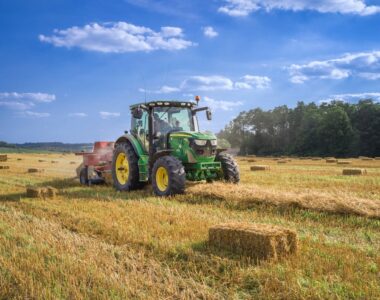
- Technology Acquisition: Invest in basic precision agriculture equipment, such as soil moisture sensors or GPS-guided tractors.
- Training and Implementation: Seek training for the farm team on how to use the new technologies effectively.
- Data Analysis and Adjustment: Regularly analyze the data collected to refine practices and improve outcomes.
Sustainable Practices and Carbon Footprint Reduction
Linking Sustainability with Profitability
Sustainable farming practices are not only beneficial for the environment but can also enhance farm profitability. Efficient use of resources reduces costs, and sustainable practices can often meet consumer demand for eco-friendly products, potentially commanding higher prices.
Practical Tips for Eco-Friendly Farming
Small farms can adopt several practical measures to reduce their carbon footprint and enhance sustainability:
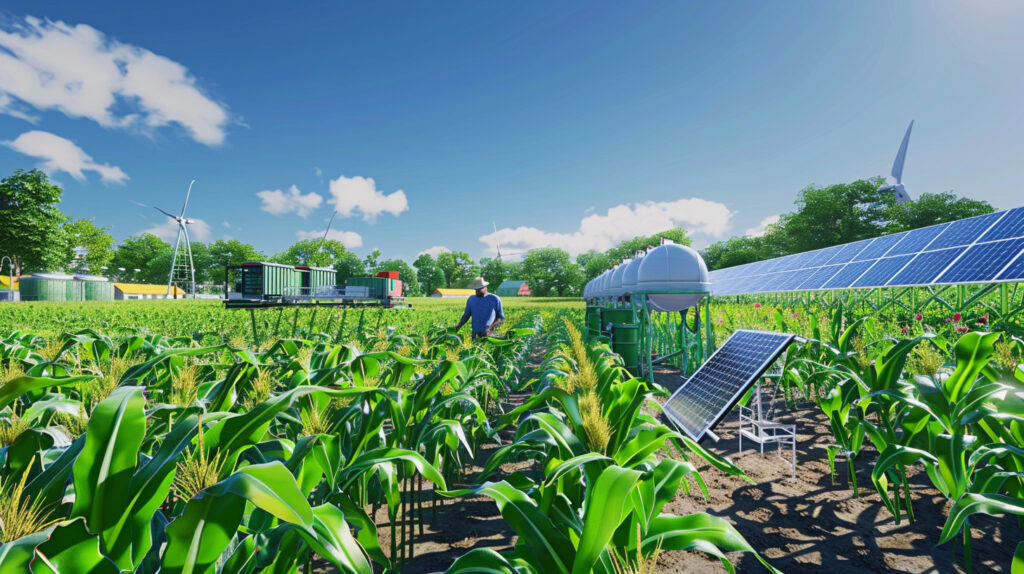
- Renewable Energy Sources: Utilize solar or wind power to reduce dependence on fossil fuels.
- Conservation Tillage: Minimize tillage to improve soil health and reduce fuel consumption.
- Integrated Pest Management (IPM): Use biological pest control methods to decrease the reliance on chemical pesticides.
By integrating these sustainable practices, small farms not only contribute to environmental conservation but also position themselves as responsible and forward-thinking businesses, potentially attracting a growing segment of eco-conscious consumers.
Conclusion: Nurturing Small Farms into Flourishing Agribusinesses
Throughout this exploration, we’ve examined the transformative strategies that can elevate small-scale farming into profitable agribusinesses. By analyzing cost variables, particularly in fisheries, and implementing cost-mitigation tactics such as bulk purchasing and energy-efficient equipment, farms can significantly enhance their operational efficiency. The selection of high-yielding crop varieties and the adoption of precision agriculture further empower farmers to maximize their yields and reduce unnecessary input costs, fostering a cycle of increased profitability and sustainability.
Additionally, integrating sustainable practices with everyday farming operations benefits the environment and serves as a strategic business move. As we adopt technologies like renewable energy and conservation tillage, we not only reduce our carbon footprint but also cater to the growing market of eco-conscious consumers. Together, we grow into a future where small farms are thriving, setting a benchmark for sustainability and profitability in the agro-allied industry. Let’s carry forward the insight that every small step toward advanced, sustainable farming is a leap toward securing a prosperous agricultural legacy.
Discover more from Transville Agro
Subscribe to get the latest posts sent to your email.