The right equipment saves labor, protects animal health, cuts feed waste, and helps your farm earn more. Yet, you don’t need every machine before you begin animal Farming in Nigeria.
For livestock farming in Nigeria, your first purchases should match the cattle, goats, sheep, pigs, or mixed herd you keep. Start with daily-use tools, then add larger equipment as your stock and cash flow grow.
Key Takeaways
- Start with safe housing, clean water, feed troughs, and sanitation tools.
- Match trough size, handling gear, and housing space to your animal type.
- Use tags and weight records to track growth, treatments, and sales.
- Buy durable equipment that suits your water supply, climate, and labor.
- Maintain tools often to avoid preventable repairs and animal injuries.
Essential Equipment for Livestock Farming in Nigeria
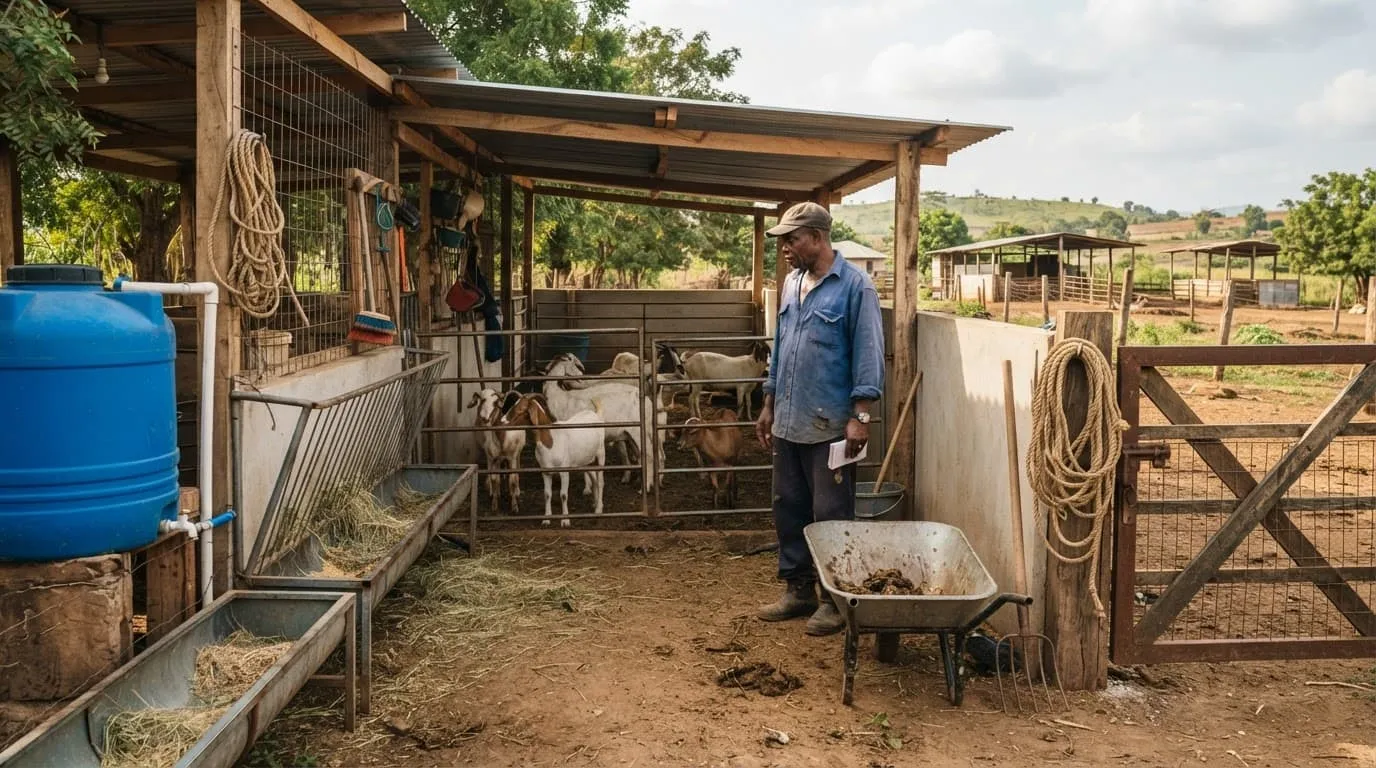
Your farm’s daily routine depends on simple, dependable equipment. Strong posts, roofing sheets, gates, fencing, and pen partitions protect stock from rain, heat, theft, and stray animals. Open-sided housing needs shade, airflow, firm flooring, and drainage so animals don’t stand in mud.
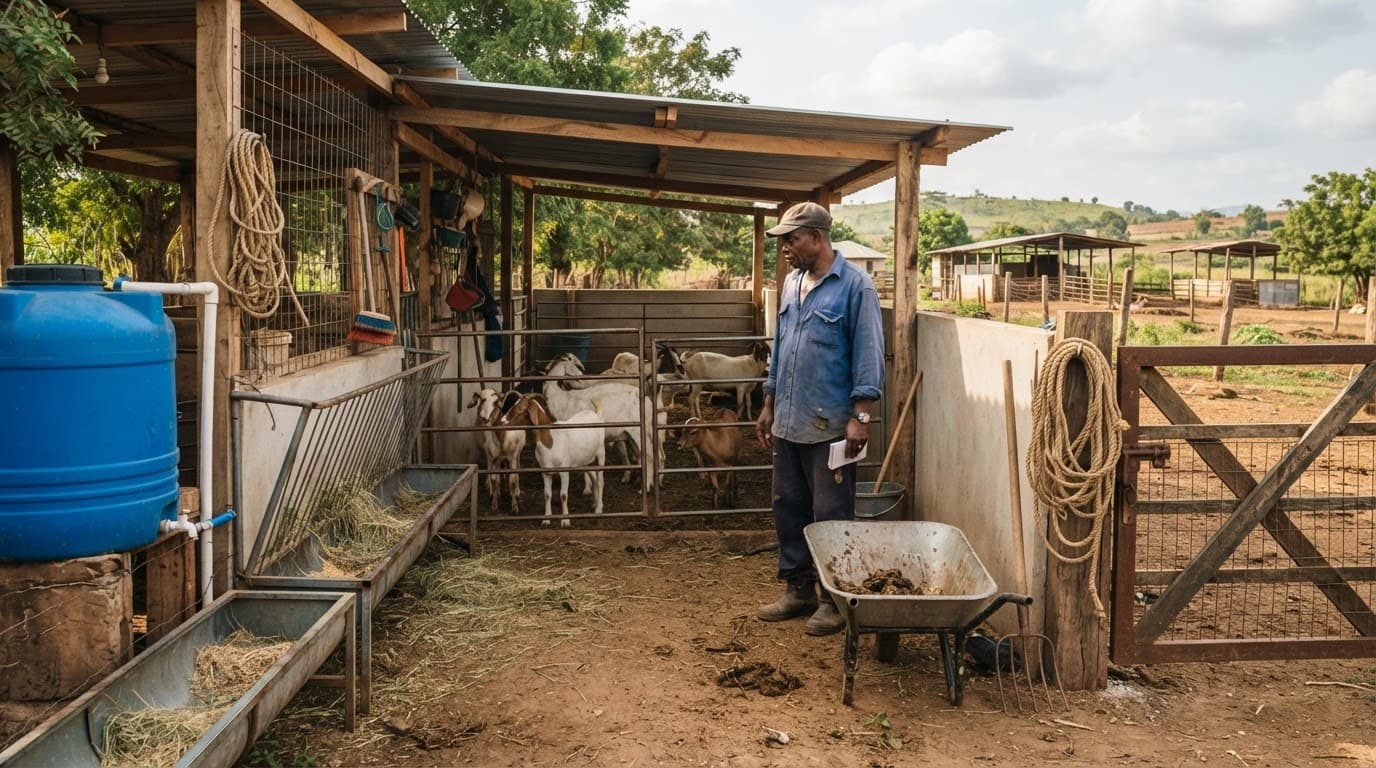
You also need buckets, wheelbarrows, shovels, manure forks, ropes, halters, boots, gloves, and protective clothing. These items may look basic, but they save hours of work each week. A wheelbarrow and manure fork, for example, make pen cleaning faster and keep waste away from feed areas.
Feeding and watering tools that reduce waste
Raised, sturdy troughs keep feed off dirty floors and reduce trampling. Choose smooth-edged troughs that are easy to wash and hard for animals to tip. The IDF guide on feeding stations and drinkers stresses that equipment should give animals ready access to clean feed and water.
Reliable drinkers, water storage tanks, hoses, and cleaning brushes belong near the top of your list. Cattle need higher and larger troughs than goats or sheep. Pigs also need units that limit fouling. Buy according to herd size, then leave enough drinking space for animals to access water without fighting.
Handling and weighing equipment for safer farm work
Ropes, halters, gates, crushes, and loading ramps give you control without rough handling. They make vaccination, sorting, treatment, breeding checks, and sales less stressful for you and your animals.
A weighing scale helps you judge growth instead of relying on appearance alone. Pair it with a durable livestock ear tag applicator so each animal has a clear identity. Tag numbers and weight records help you spot slow growth, plan feed changes, and price animals with more confidence.
A good tag and a written record can reveal a poor-performing animal long before a visual check does.
Livestock Farm Equipment for Health, Hygiene, and Better Production
Clean housing reduces the build-up of manure, wet bedding, flies, and foul odor for livestock Farming in Nigeria. Set aside brooms, stiff brushes, sprayers, drainage tools, wheelbarrows, and disinfectants for regular pen care. If your water source allows it, a pressure washer can remove stubborn dirt from concrete surfaces and gates.
Keep an isolation pen ready before you need it. Separating an animal that appears sick limits close contact with the rest of the herd while you seek advice. The FAO animal health resources offer practical information on managing animal health risks.
Cleaning, disinfection, and waste management tools
Follow a consistent order: remove manure, wash surfaces, apply disinfectant according to its label, then allow the housing to dry. Disinfectant works poorly when dirt and organic waste still cover the floor.
Good drainage matters as much as cleaning supplies. Waterlogged pens attract flies and create slippery footing. Move manure to a designated compost or disposal area, away from feed stores and water points. Cleaner pens support cleaner feed and a more pleasant farm environment for Livestock Farming in Nigeria.
Basic tools for animal health and record keeping
Keep a thermometer, automatic injector/syringe, hoof-care tools, wound-cleaning supplies, gloves, and a first-aid kit in a dry, secure place. A small cold-storage unit may also be needed where a veterinarian directs you to store temperature-sensitive products.
Write down treatments, vaccinations, breeding dates, births, deaths, and weight gains. Use medicines and vaccines only with guidance from a qualified veterinarian or animal health professional. Follow product labels carefully, especially for antibiotics and injectable treatments. Research on livestock health and disease economics also identifies quarantine, medicine control, and hygiene inspection as important parts of animal disease management.
How to Choose and Budget for Livestock Equipment in Nigeria
Buy according to urgency, not appearance. Housing, clean water, feed troughs, basic handling tools, and sanitation equipment should come first. Then add scales, powered tools, milking equipment, or automated systems when your herd size can justify the cost.
Local fabricators can offer useful options for gates, troughs, and pens. Still, low price should not outweigh safety, smooth finishes, durability, and ease of cleaning. Check your water access, power supply, farm roads, labor needs, and local repair options before you pay.
Questions to ask before you buy
Ask about material strength, corrosion resistance, animal safety, capacity, warranty, spare parts, delivery cost, and after-sales support. Measure your pen, passageways, and loading area before ordering bulky equipment.
Equipment must also fit local conditions. Heavy rain, dust, heat, rough roads, and unreliable electricity can shorten the life of weak materials. Choose designs you can clean, repair, and operate without depending on hard-to-find parts.
A practical maintenance plan that protects your investment
Clean troughs daily and inspect water lines for leaks. Check gates, fences, ropes, and hinges often, because a small fault can lead to an escape or injury.
Store metal tools away from standing moisture, sharpen working edges, and service powered machines according to manufacturer guidance. Keep a small maintenance budget and contacts for reliable repairers. Well-maintained equipment lasts longer and supports steady farm output.
Build Your Farm One Practical Purchase at a Time
You don’t need to buy every machine at once. Start with safe housing, clean feeding and watering systems, handling tools, sanitation supplies, and basic animal health equipment.
Choose durable options that fit your animals, budget, labor, and local conditions. With livestock farming in Nigeria, careful equipment planning helps you grow without wasting money on tools your farm cannot yet use.
Discover more from Transville Agro
Subscribe to get the latest posts sent to your email.